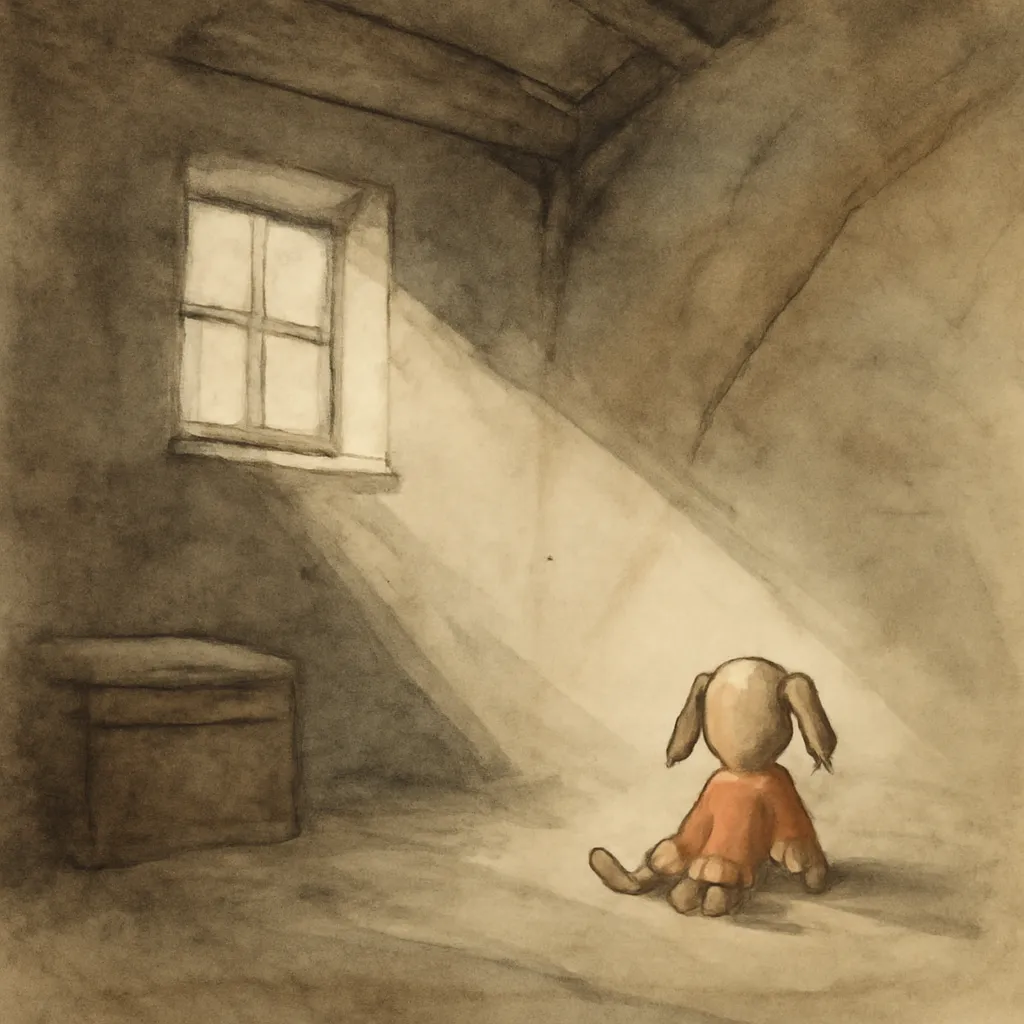
1.Alienation as Self-Protection
Holden Caulfield’s pervasive sense of alienation isn’t just a symptom of teenage angst—it’s his shield against a world he finds overwhelming and insincere. He distances himself from others, labeling them 'phonies,' but this is also a defense mechanism to avoid vulnerability and disappointment. The novel explores how isolation can be both a comfort and a curse, leaving Holden lonely but also safe from the pain of genuine connection.
2.The Pain of Growing Up
Holden’s journey is a meditation on the loss of innocence and the inevitability of growing up. He is haunted by the idea that adulthood means compromise and hypocrisy, and he clings to memories of his younger brother and the innocence of childhood. The novel captures the fear and sadness that come with leaving behind the simplicity of youth for the complexities of adult life.
3.The Search for Authenticity
Throughout his time in New York, Holden is on a quest—conscious or not—for something real and meaningful. He is hypersensitive to insincerity in others, yet struggles to find honesty in himself. His interactions with various characters expose the difficulty of finding authenticity in a society obsessed with appearances and social conventions.
4.Mental Health and Emotional Turmoil
Holden’s narrative is marked by anxiety, depression, and emotional instability. The book is notable for its frank, if subtle, depiction of mental health struggles at a time when such topics were rarely discussed openly. Holden’s breakdown is both a personal crisis and a commentary on the pressures faced by young people in a rapidly changing world.
5.The Symbolism of the 'Catcher'
The title refers to Holden’s fantasy of being 'the catcher in the rye,' saving children from falling off a cliff—a metaphor for losing their innocence. This image encapsulates his desire to protect not only his sister Phoebe but also himself from the perceived corruption of adulthood. The symbolism underscores the novel’s central tension between innocence and experience.
6.Communication and Misunderstanding
Holden’s attempts to connect with others are repeatedly thwarted by miscommunication and misunderstanding. Whether with old friends, strangers, or family, genuine conversation eludes him. This highlights the broader human struggle to be understood and the barriers—emotional, social, or psychological—that can make authentic connection so challenging.