
Revolutions · Open Library Staff Picks · Quests (Expeditions)
The Diamond Age by Neal Stephenson — Summary, Key Ideas & Quotes
1995512 pages✦ 3-min Big ideas★ 4.1 (93)
Rate it
The story of an engineer who creates a device to raise a girl capable of thinking for herself reveals what happens when a young girl of the poor underclass obtains the device.
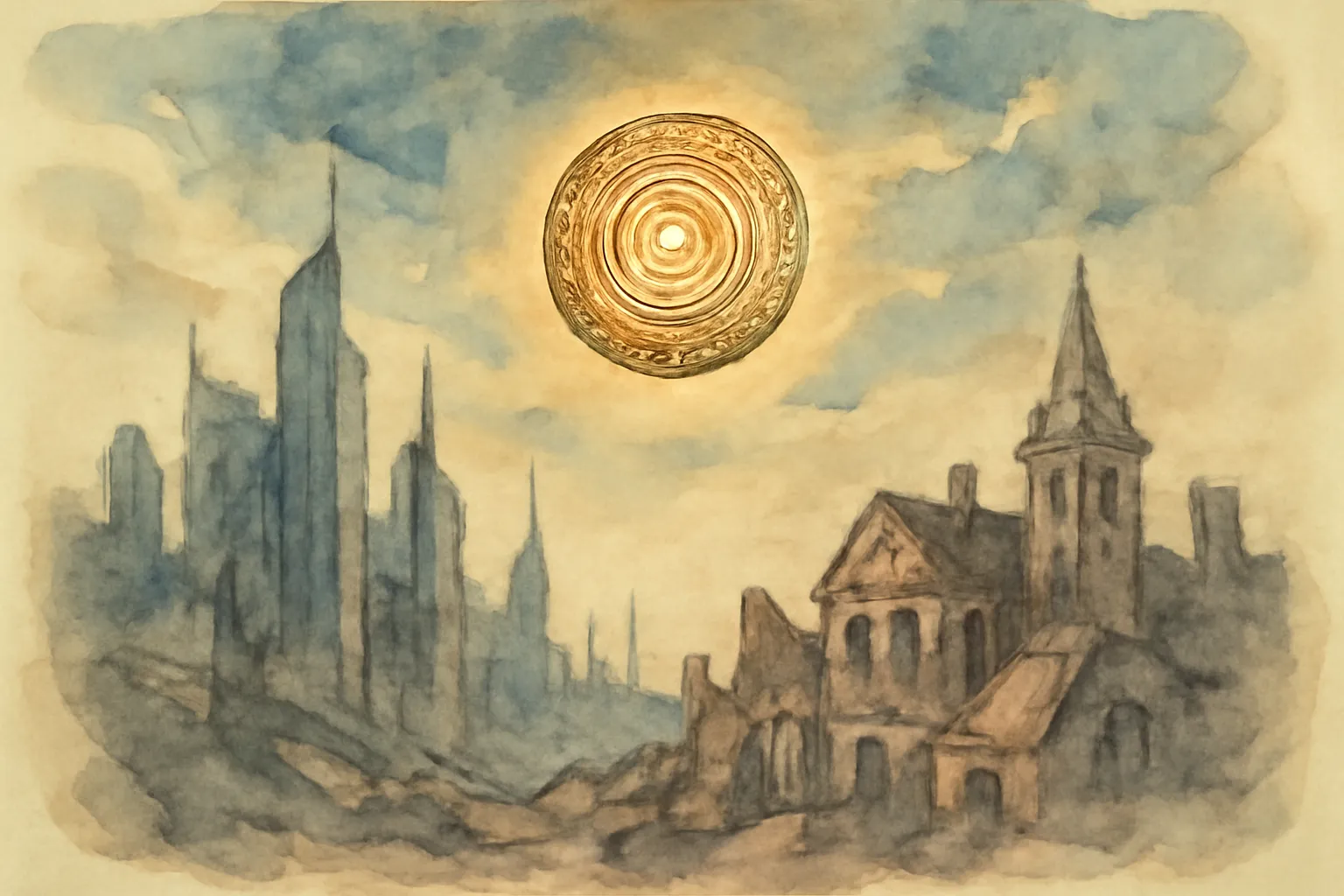
Stephenson’s future is built on nanotechnology, with the 'Young Lady's Illustrated Primer' as its centerpiece. The Primer, designed to educate and empower its user, becomes a symbol for how technology can disrupt established orders. When this advanced device falls into the hands of Nell, a child of the underclass, it sets off a chain reaction that challenges the rigid social stratification of the neo-Victorian world. The novel probes whether tools intended for uplift can truly bridge entrenched divides, or if they simply create new forms of inequality.
At its heart, The Diamond Age is a meditation on education’s transformative potential. The Primer is more than a book—it’s an interactive mentor, adapting to the needs and context of its reader. Through Nell’s journey, Stephenson interrogates what it means to truly learn and think independently, contrasting rote instruction with adaptive, critical pedagogy. The story asks: can education liberate, or is it always shaped by the values and intentions of its creators?
“The difference between ignorant and educated people is that the latter know more facts. But that has nothing to do with whether they are stupid or intelligent.”
“You can't judge a book by its cover, especially when the book is a person.”