1.Technology as Social Disruptor
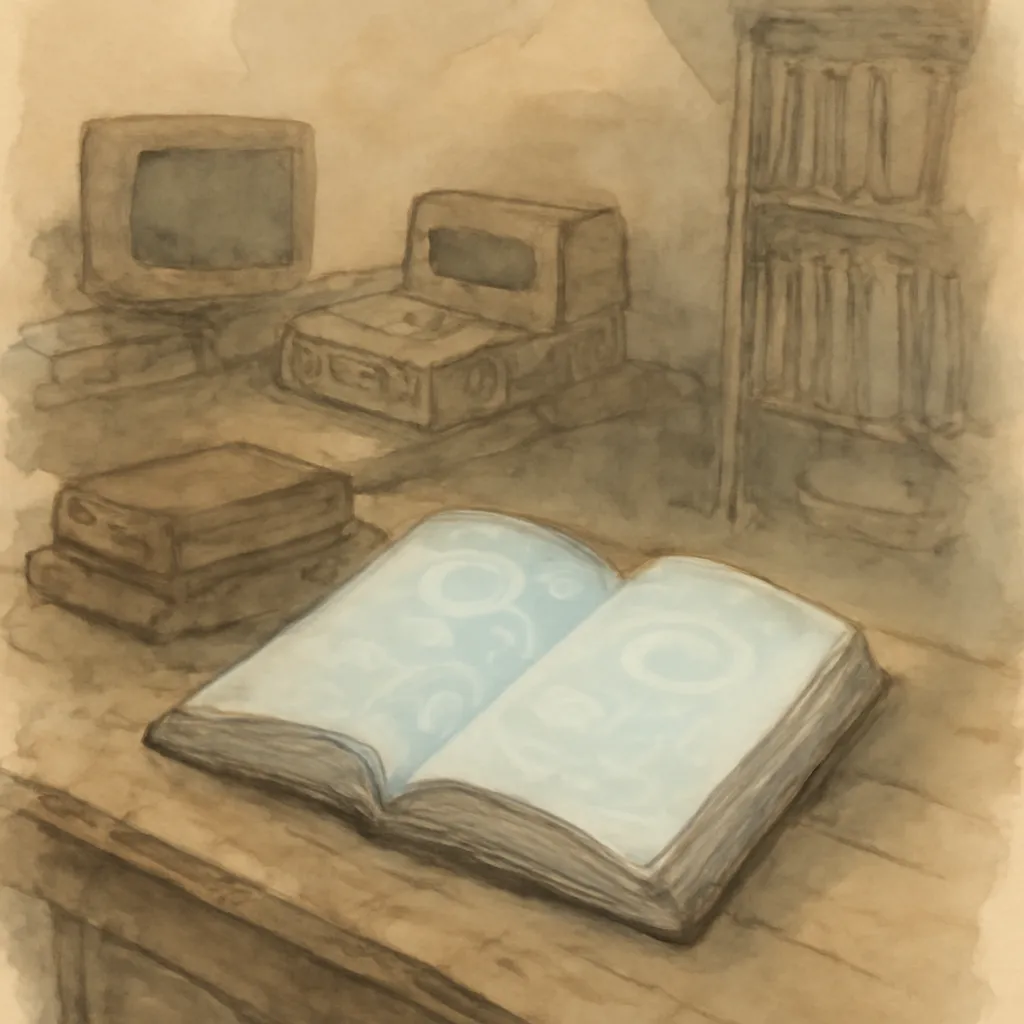
Stephenson’s future is built on nanotechnology, with the 'Young Lady's Illustrated Primer' as its centerpiece. The Primer, designed to educate and empower its user, becomes a symbol for how technology can disrupt established orders. When this advanced device falls into the hands of Nell, a child of the underclass, it sets off a chain reaction that challenges the rigid social stratification of the neo-Victorian world. The novel probes whether tools intended for uplift can truly bridge entrenched divides, or if they simply create new forms of inequality.
2.Education and Self-Determination
At its heart, The Diamond Age is a meditation on education’s transformative potential. The Primer is more than a book—it’s an interactive mentor, adapting to the needs and context of its reader. Through Nell’s journey, Stephenson interrogates what it means to truly learn and think independently, contrasting rote instruction with adaptive, critical pedagogy. The story asks: can education liberate, or is it always shaped by the values and intentions of its creators?
3.Neo-Victorianism and Cultural Fragmentation
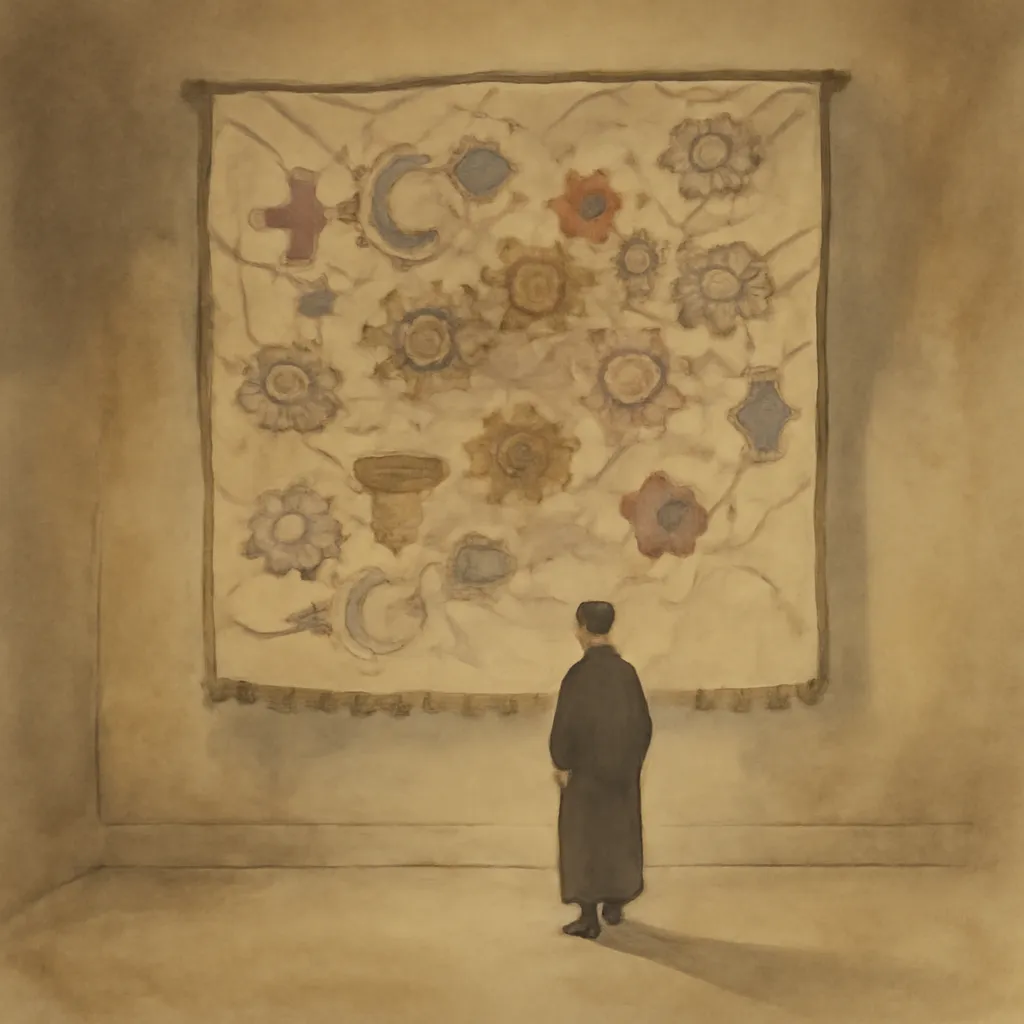
Stephenson imagines a future where society has splintered into 'phyles'—cultural and ideological tribes, with the neo-Victorians as the dominant group. This world is a patchwork of competing values, customs, and technologies. The novel uses this setting to examine how culture and technology interact, and whether progress means returning to the past or forging something new. It’s a cautionary tale about nostalgia and the limits of engineered social orders.
4.Power, Class, and Access
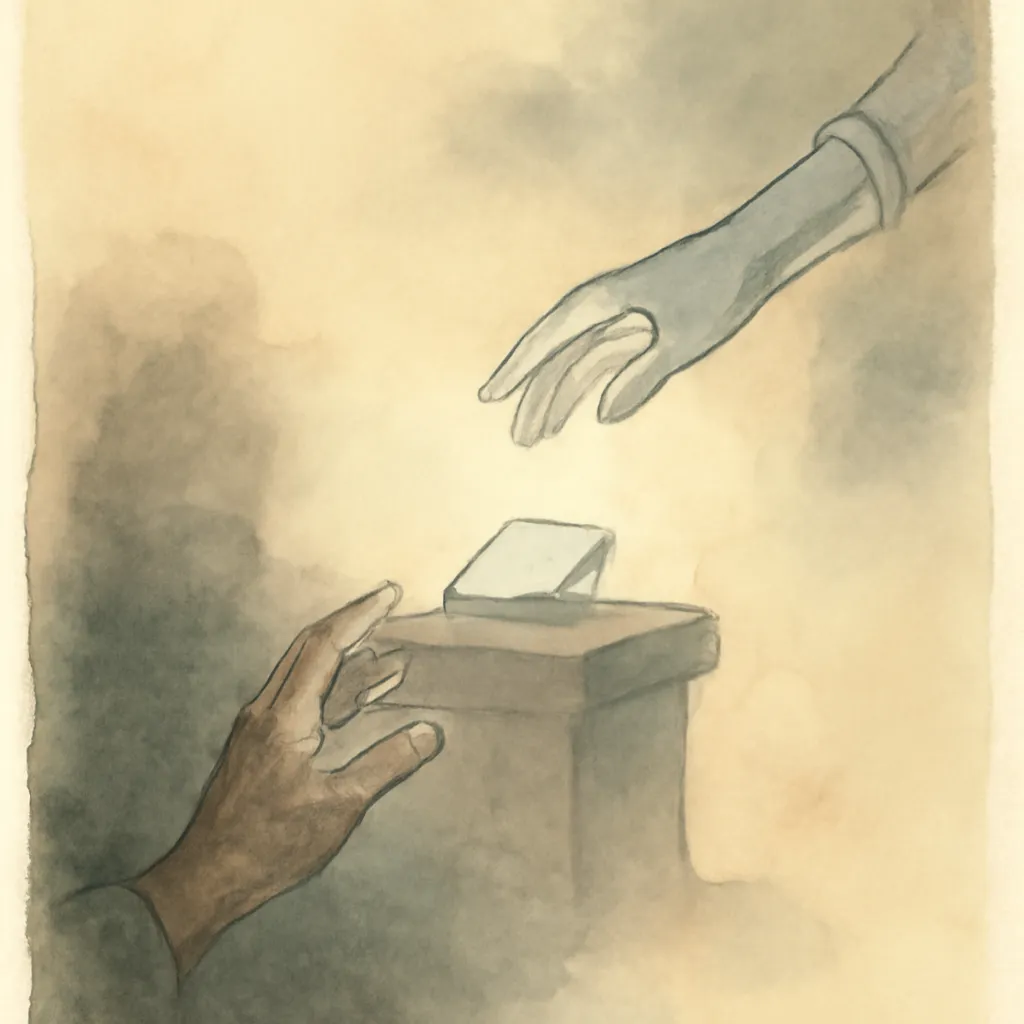
The Diamond Age is deeply concerned with who controls technology and who benefits from it. The Primer was intended for the daughter of a wealthy engineer, but its accidental delivery to Nell exposes the stark inequalities of access. Stephenson explores how class shapes destiny, and whether individual ingenuity can overcome systemic barriers. The novel’s world is one where abundance is possible, but not equally distributed—a mirror to real-world debates about privilege and opportunity.
5.Storytelling as Survival
Nell’s relationship with the Primer is not just educational, but emotional and imaginative. The stories within the Primer help her navigate trauma, danger, and isolation. Stephenson foregrounds the power of narrative—not just as entertainment, but as a means of survival and self-construction. The book suggests that the stories we tell ourselves (and are told by others) can shape our reality as much as any technology.
6.The Limits and Ethics of Design
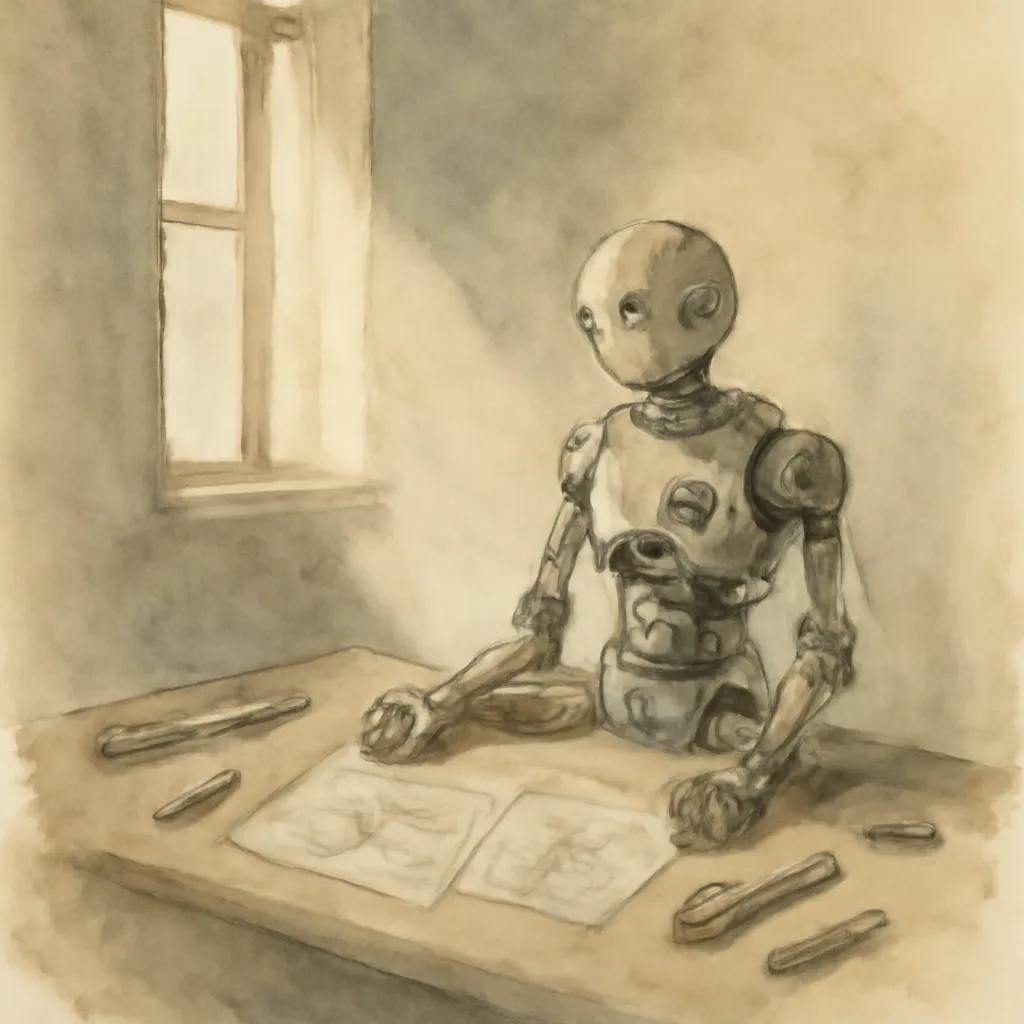
Through the character of John Percival Hackworth, the engineer who creates the Primer, Stephenson raises questions about the responsibilities of creators. Can a device designed for one purpose be repurposed for another? What are the unintended consequences of technological innovation? The novel is a meditation on the ethical limits of design, and the unpredictable ways in which inventions escape their makers’ intentions.