
In a world where intrigue and deception reign, one man's peaceful existence is shattered by a summons that draws him back into the shadows of espionage and danger
Read full overviewShow less›
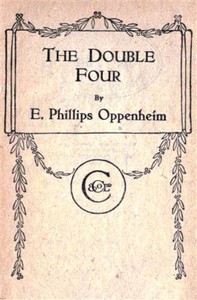
The Double Four by E. Phillips Oppenheim is a gripping tale that intertwines the lives of an ordinary man and the dangerous world of espionage. As Peter Ruff attempts to maintain his idyllic life in Somerset, he is pulled back into a realm of political intrigue and personal betrayal. This novel dives deep into the complexities of identity, loyalty, and the moral ambiguities faced by those entangled in the web of espionage. Readers will find themselves captivated by the intricate plotting, rich characterizations, and the exploration of what it means to confront one's past while navigating the treacherous waters of duty and desire. Oppenheim's narrative is not just a thrilling adventure; it is also a profound commentary on the nature of trust and the unseen battles that shape our lives.
The Double Four serves as a masterful exploration of the intricate dance between peace and chaos, trust and betrayal. Oppenheim's rich characterizations and intricate plotting invite readers to reflect on the complexities of human nature and the moral ambiguities that define our choices. As Peter Ruff navigates the treacherous waters of espionage, he embodies the struggle faced by many who grapple with their past while striving for a better future. The novel ultimately reveals that the world of intrigue is not just a backdrop for adventure but a profound commentary on the human experience. In an age where the lines between right and wrong become increasingly blurred, The Double Four resonates as a timeless tale of the challenges we face in our quests for identity, loyalty, and redemption.
- 1The Call to Adventure
- 2The Nature of Espionage
- 3The Dichotomy of Public and Private Life
- 4The Role of Women in Espionage
- 5The Psychological Toll of Espionage
Notable quotes
“It is the desire of Madame that you should join our circle here on Thursday evening next, at ten o'clock.—SOGRANGE.”
“As ever, dear friend, one of the greatest sayings which the men of my race have ever perpetrated, once more justifies itself, 'Cherchez la femme!”
“I told Lady Amershal, when she asked us to go there this evening, that we always dined together alone somewhere once a week, and she absolutely refused to believe me.”
A glimpse inside

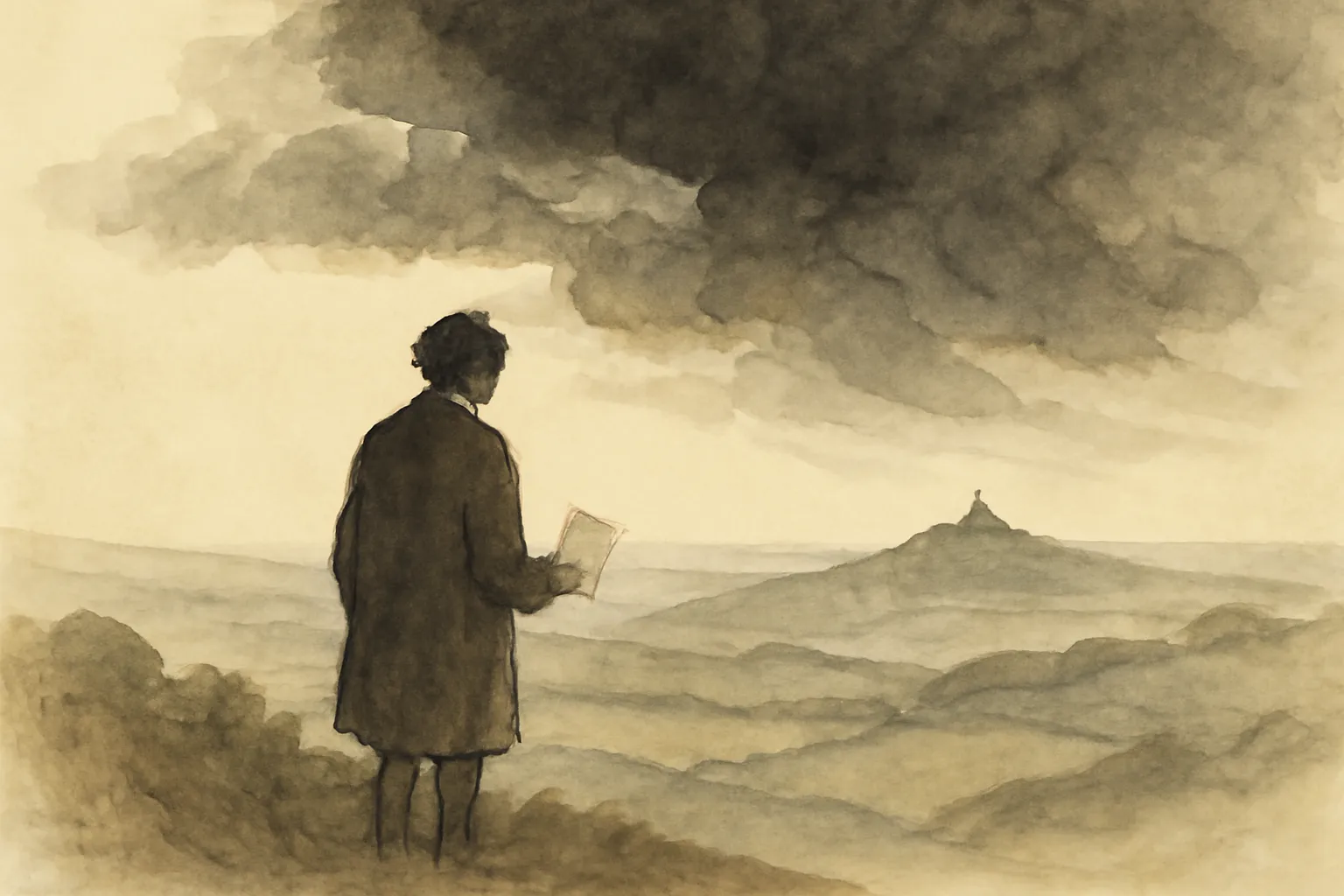
Peter Ruff's peaceful life is abruptly interrupted by a mysterious letter from Sogrange, which serves as the catalyst for his journey back into the world of espionage. Read morePeter Ruff's peaceful life is abruptly interrupted by a mysterious letter from Sogrange, which serves as the catalyst for his journey back into the world of espionage. This summons, described as 'the desire of Madame,' evokes a past that Ruff thought he had left behind. The stark contrast between his tranquil existence in Somerset and the chaotic, morally ambiguous world of spies highlights the theme of the inescapability of one’s past. The letter represents not just a call to action but the allure of adventure that exists outside the mundane. Ruff's internal struggle illustrates a common theme in literature: the conflict between a comfortable life and the lure of excitement and danger. This tension sets the stage for the unfolding drama, revealing how quickly one's life can shift from the mundane to the extraordinary. The romantic notion of adventure contrasts sharply with the harsh realities of espionage, leading to a confrontation of Ruff's true identity and purpose. Show less
Oppenheim's portrayal of espionage is rich and multifaceted, revealing it as a game of shadows where trust is a luxury few can afford. Read moreOppenheim's portrayal of espionage is rich and multifaceted, revealing it as a game of shadows where trust is a luxury few can afford. Characters like Baron de Grost and Count von Hern navigate this treacherous landscape, where appearances are deceiving, and motives are often hidden. The author delves into the psychological aspects of being a spy, highlighting the emotional toll that such a life can take on individuals. The phrase 'Cherchez la femme' encapsulates the idea that women often wield significant power in these intrigues, serving as both catalysts and obstacles. Through the interactions between male and female characters, Oppenheim explores themes of desire, deception, and the complexities of romantic entanglements in a world fraught with danger. Notably, the tension between personal desire and professional duty is palpable; characters must often choose between their hearts and their missions. This exploration of the espionage world emphasizes the high stakes involved, not just in terms of national security but also in personal relationships, making Oppenheim's narrative a compelling reflection on the sacrifices made in the name of duty. Show less
Read the full text — free
About the author
E. Phillips Oppenheim has 3 works free to read on Lumina, including The Yellow Crayon, The Zeppelin's Passenger
All 3 books by E. Phillips Oppenheim →