Fiction
The Zeppelin's Passenger by E. Phillips Oppenheim — Summary, Key Ideas & Full Text
207 pages33 chapters4h 9m read2h 57m speed read✦ 9-min Big ideas★ 0.0Free · no account
Rate it
A gripping tale of espionage, love, and the shadows of war unfolds in 'The Zeppelin's Passenger,' where nothing is as it seems
Set against the backdrop of World War I, 'The Zeppelin's Passenger' weaves a complex narrative filled with intrigue, personal conflict, and the specter of military espionage. Readers are drawn into a world where characters grapple with loyalty, love, and the burdens of secrets that could change the course of their lives. The story intricately explores the relationships between its characters, revealing how the war influences their decisions and actions. As tensions rise, both externally from the war and internally within personal relationships, the stakes become increasingly high. This summary distills the essence of Oppenheim's novel, highlighting the key themes and character dynamics that make this story a compelling exploration of human nature in perilous times.
In 'The Zeppelin's Passenger,' E. Phillips Oppenheim crafts a tale that masterfully intertwines themes of love, loyalty, and the impact of war on personal relationships. Through the lens of its richly developed characters, the narrative explores the complexities of human emotions in a time of conflict. The story's unfolding secrets and revelations create a gripping atmosphere, compelling readers to reflect on the nature of truth and deception. Ultimately, Oppenheim’s work serves as a poignant reminder of the sacrifices made in the name of love and loyalty, and the enduring hope for redemption amidst chaos. This novel not only captivates with its plot but also resonates with timeless questions about the human condition in times of strife.
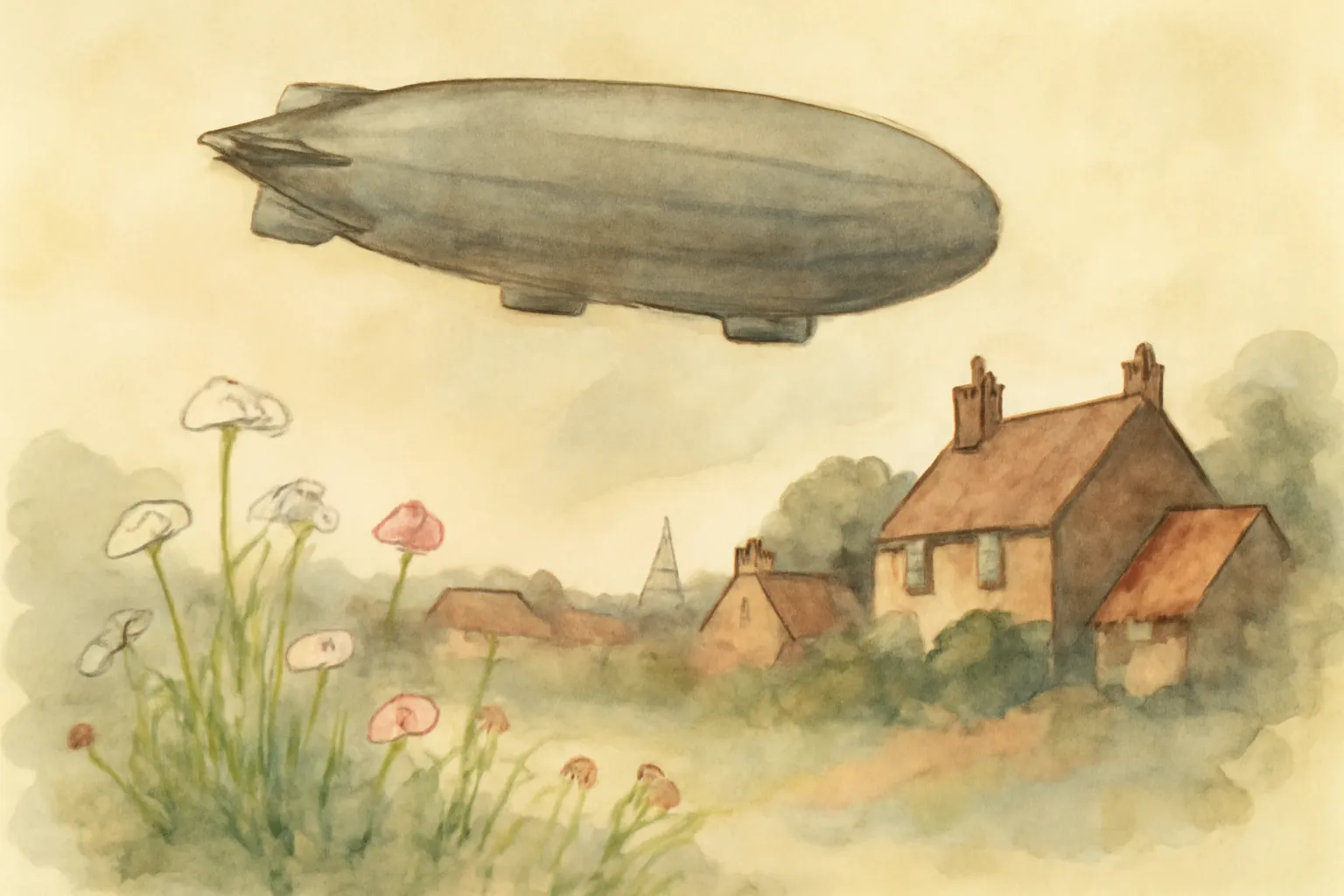
“I heard it distinctly,” she declared; “in fact it woke me up. I hung out of the window, and I could hear the engine just as plainly as though it were over the golf links.”
“You must come and dine one night this week, both of you,” she said. “My husband will be home by the later train this evening, and I'm sure he will be glad to have you.”
“I am in command of the situation,” she continued, a little more lightly. “Every one must please obey me. I shan't be more than five minutes.”
E. Phillips Oppenheim has 3 works free to read on Lumina, including The Double Four, The Yellow Crayon
All 3 books by E. Phillips Oppenheim →