1.The Intrusion of War into Domestic Life
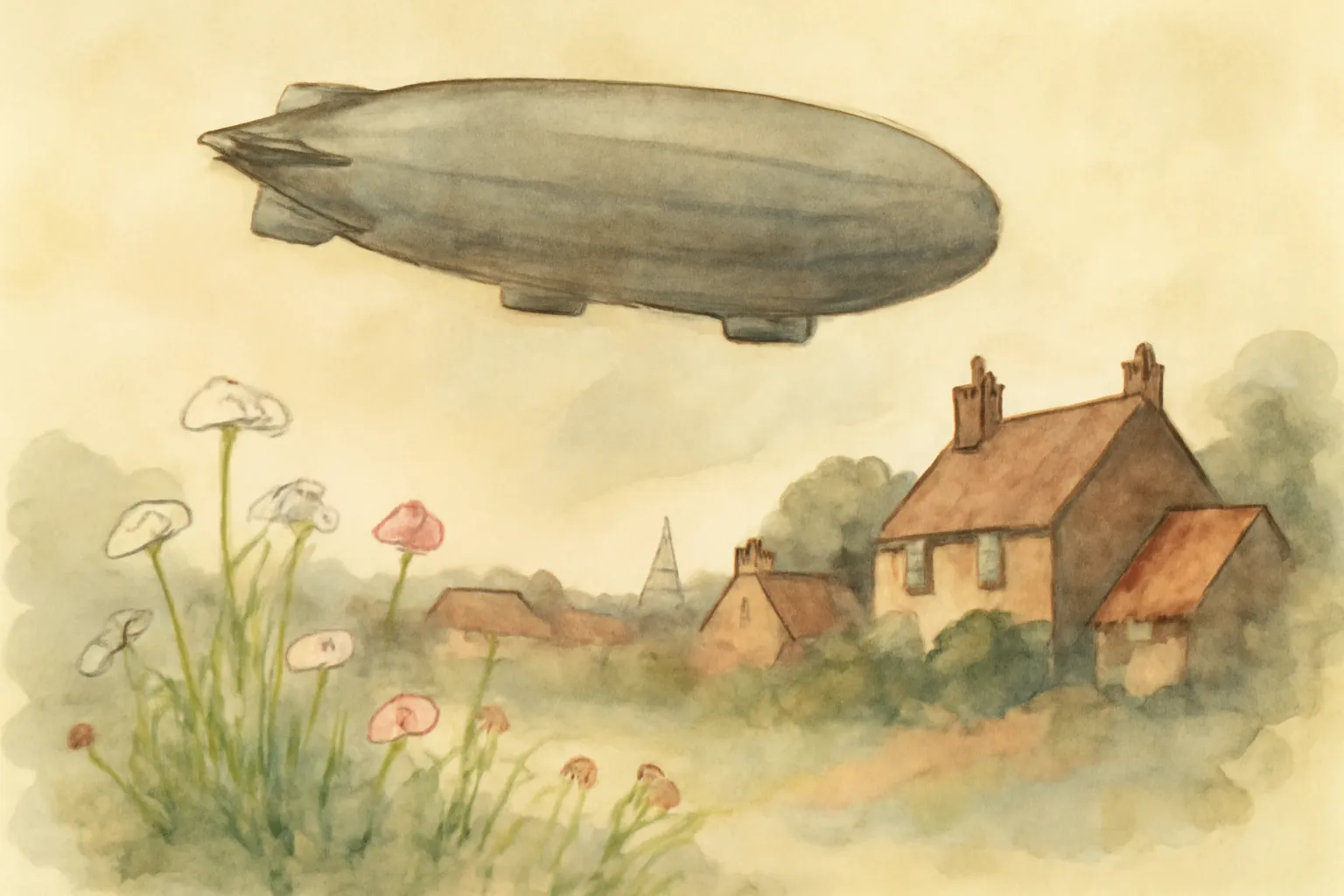
The narrative begins with a seemingly mundane tea gathering where the characters converse about a Zeppelin incident. This incident serves as a metaphor for the intrusive nature of war, signifying how the outside world's chaos permeates the lives of the characters. The young subaltern expresses his frustration over missing yet another Zeppelin, while Captain Griffiths, embodying military authority, reflects the tensions of a society at war. Their discussions, laden with hints of danger, reveal a disconnect between the tranquility of their tea and the looming threats of the outside world. This juxtaposition sets the stage for deeper explorations of personal sacrifice and the impacts of war on relationships, illuminating how the conflict seeps into even the most private moments.
2.Philippa: The Central Figure of Conflict
Philippa Cranston emerges as a pivotal character, representing the struggle between personal desires and societal expectations. Her striking beauty and delicate demeanor mask the burdens she carries as a wife in a time of war. She embodies the emotional turmoil faced by many women of her era, torn between loyalty to her husband and the magnetic pull of another man. The war exacerbates her feelings of isolation and frustration due to Sir Henry's absence and perceived indifference. As the novel progresses, Philippa's interactions with Hamar Lessingham complicate her emotional landscape. Lessingham becomes a source of comfort and excitement, challenging her understanding of duty and fidelity. Oppenheim utilizes Philippa's character to delve into themes of love, sacrifice, and the search for connection amidst the chaos of wartime, showcasing her evolution as she reconciles her feelings with her responsibilities.
3.Hamar Lessingham: The Enigmatic Stranger
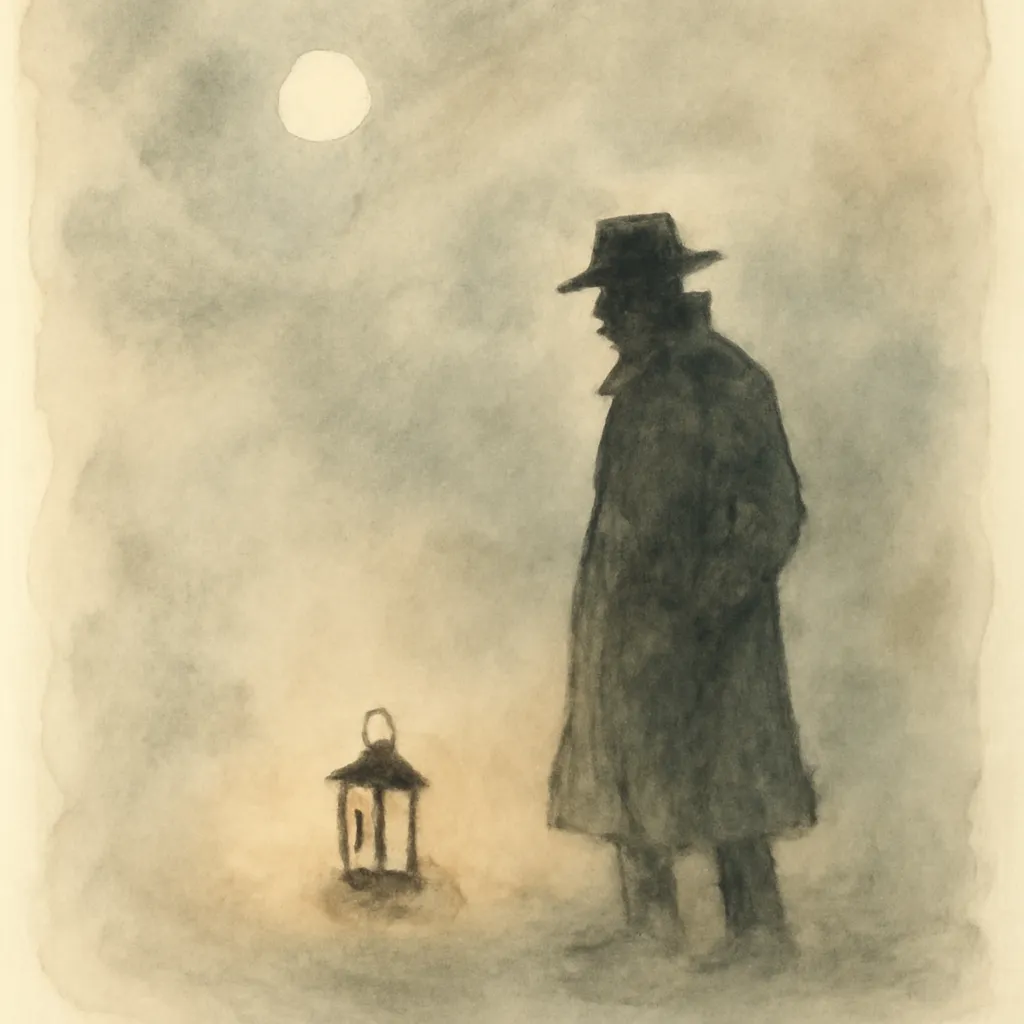
Lessingham's character is introduced with an air of mystery, captivating both Philippa and the reader alike. His background as a Swedish national with ties to British intelligence adds layers of complexity to his persona, as he navigates the treacherous waters of espionage and loyalty. His charm and intelligence make him appealing, yet his true intentions remain obscured. As Lessingham interacts with the Cranston family, he evokes both intrigue and suspicion, particularly from Captain Griffiths, whose role as commandant places him on high alert. His relationship with Philippa deepens, introducing questions about identity and allegiance. Oppenheim crafts Lessingham's character to embody the duality of man in war, representing both the romantic and perilous aspects of human connection. His presence challenges the status quo, forcing characters to confront their desires and loyalties.
4.The Role of Captain Griffiths
Captain Griffiths serves as both a military authority and a potential antagonist in the narrative, illustrating the intersecting worlds of duty and personal emotion. His presence underscores the themes of surveillance and suspicion, as he vigilantly monitors the village for any unusual activities. Griffiths' suspicions regarding Lessingham's true identity create palpable tension, especially as he investigates the stranger's background. His awkwardness in social situations contrasts with his military demeanor, making him a nuanced character. It becomes evident that Griffiths harbors feelings for Philippa, complicating his actions as he strives to maintain order while grappling with his emotions. Through Griffiths, Oppenheim explores the psychological strain of military life and the challenges of forging personal connections within that rigid framework, illustrating how loyalty can fray under pressure.
5.Secrets and Revelations
The novel is rich with secrets that propel the plot forward, creating an atmosphere of suspense and intrigue. Each character harbors their own truths, and the unearthing of these secrets has significant ramifications. Philippa's concealed emotions regarding her husband and Lessingham's hidden motives create a web of intrigue that keeps the reader engaged. Oppenheim employs various narrative techniques to reveal secrets gradually, building tension and anticipation. The tension builds as revelations come to light, particularly concerning Lessingham’s mission and his connection to Philippa’s husband, Sir Henry. This theme highlights the fragility of trust within relationships and the lengths to which individuals go to protect their secrets. Oppenheim masterfully intertwines personal and political secrets, illustrating how they impact relationships and choices, ultimately serving as catalysts for pivotal plot developments.
6.The Impact of Setting on Character Dynamics
The rural English setting of Dreymarsh becomes almost a character in its own right, influencing the narrative and the characters' interactions. The picturesque landscape contrasts sharply with the underlying tensions of war and espionage, creating a vivid backdrop for the unfolding drama. Oppenheim uses the tranquility of the countryside to heighten moments of intimacy between Philippa and Lessingham, suggesting that nature offers a temporary escape from their tumultuous inner lives. However, this serene backdrop also serves as a site of danger, where secrets can easily be concealed or discovered. The juxtaposition of beauty and peril illustrates the dual nature of the characters’ lives, as they grapple with romantic aspirations against the harsh realities of war. Oppenheim’s vivid descriptions create a sense of place that amplifies the emotional stakes of the narrative, reminding readers that even idyllic settings can harbor dark secrets.
7.Love and Loyalty in Times of Crisis
At its core, 'The Zeppelin's Passenger' explores the complexities of love and loyalty amidst the chaos of war. Philippa’s feelings for Lessingham complicate her marriage to Sir Henry, leading to moments of introspection about her desires and commitments. The narrative raises questions about what it means to be loyal in a world fraught with conflict and uncertainty. Lessingham’s affection for Philippa challenges her perceptions of duty and fidelity, creating an emotional tug-of-war that resonates deeply. Oppenheim delves into the idea that love can be both a source of strength and a catalyst for conflict, illustrating how personal relationships are tested during tumultuous times. As characters navigate their feelings, they must confront the consequences of their choices, emphasizing the delicate balance between love and loyalty in a world where personal and national interests collide.
8.The Consequences of Deception
Deception plays a crucial role in the novel, affecting the fates of the characters and the trajectory of the plot. Lessingham's hidden motives and identity create a ripple effect that impacts everyone around him, particularly Philippa. The tension escalates as the characters grapple with the implications of their lies, both to themselves and to each other. Oppenheim illustrates that in times of war, the lines between right and wrong become blurred, leading characters to make morally ambiguous choices. The consequences of these deceptions culminate in moments of crisis that challenge the characters’ understanding of loyalty, trust, and personal integrity. This theme resonates deeply, reminding readers of the complexities of human relationships in times of strife. The narrative ultimately suggests that while deception may offer temporary safety, it can also lead to irrevocable consequences that alter relationships forever.
9.The Climax: A Turning Point
As the story progresses, the tension reaches a climax that forces characters to confront their true feelings and the reality of their situations. The culmination of secrets and misunderstandings leads to a pivotal moment where decisions must be made. Oppenheim crafts this turning point with precision, using it to reveal the characters’ true natures and motivations. This moment is fraught with emotional intensity, as the stakes become clear, and characters are faced with the consequences of their actions. The climax serves as a critical juncture in the narrative, illustrating the weight of the characters’ emotional burdens and the stakes of their actions. It reinforces the idea that in times of crisis, true character is revealed, and the choices made can have lasting impacts on all involved. Through this powerful climax, Oppenheim emphasizes the importance of honesty and the often painful process of self-discovery.
10.The Aftermath: Resolutions and Realizations
Following the climax, the aftermath of the characters’ choices unfolds, providing a resolution to the tensions built throughout the story. Oppenheim takes the time to explore the emotional ramifications of the events, allowing characters to reflect on their actions and relationships. Philippa and Lessingham must come to terms with the reality of their situation, while Sir Henry’s true role in the conflict is revealed. The resolution emphasizes the theme of redemption and the possibility of new beginnings, even amidst the scars left by war. Oppenheim’s nuanced portrayal of the aftermath reinforces the idea that while choices have consequences, they also pave the way for growth and understanding. The conclusion serves as both a denouement and a reflective moment, allowing readers to consider the profound effects of war on personal connections and the resilience of the human spirit.