1.The Call to Adventure

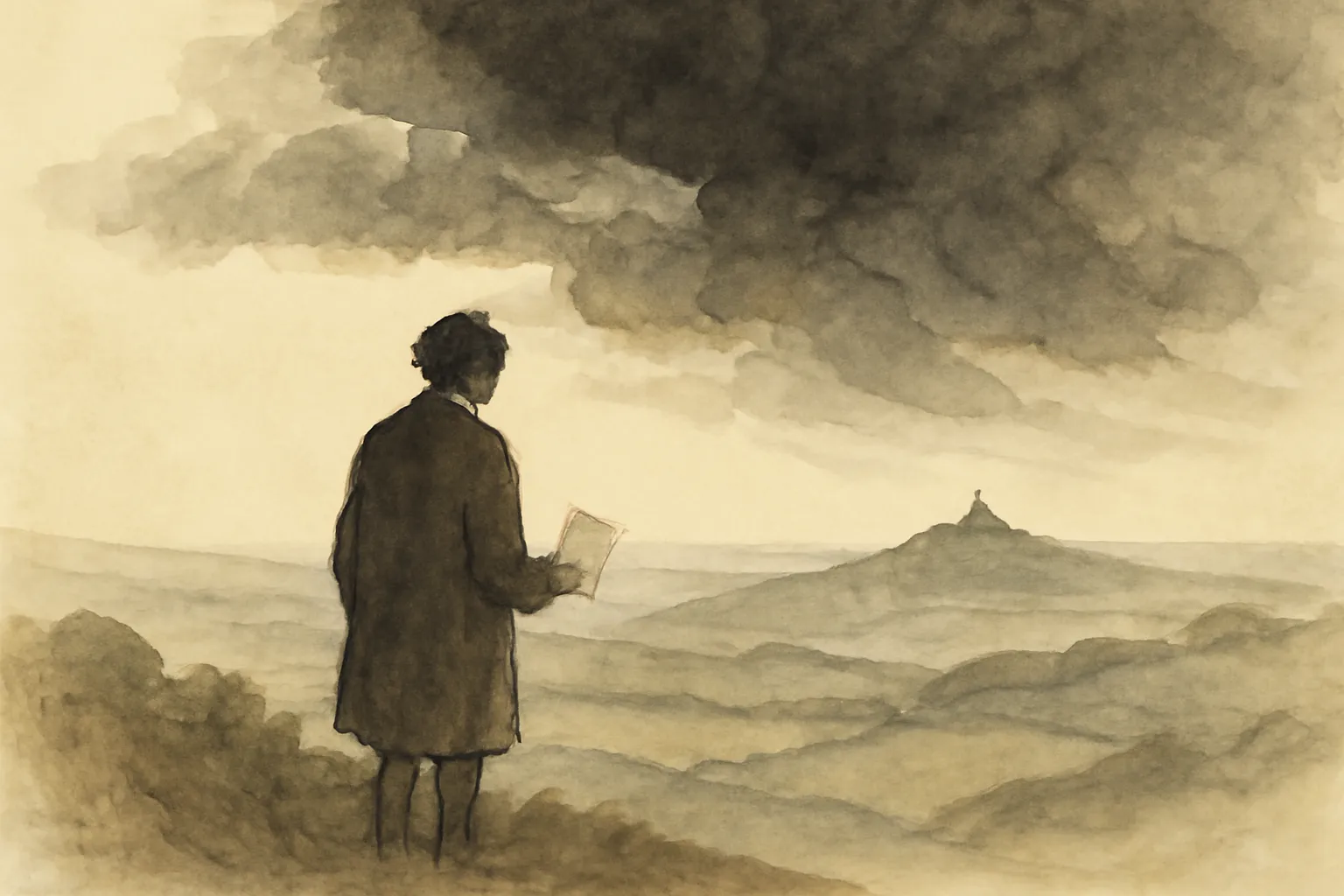
Peter Ruff's peaceful life is abruptly interrupted by a mysterious letter from Sogrange, which serves as the catalyst for his journey back into the world of espionage. This summons, described as 'the desire of Madame,' evokes a past that Ruff thought he had left behind. The stark contrast between his tranquil existence in Somerset and the chaotic, morally ambiguous world of spies highlights the theme of the inescapability of one’s past. The letter represents not just a call to action but the allure of adventure that exists outside the mundane. Ruff's internal struggle illustrates a common theme in literature: the conflict between a comfortable life and the lure of excitement and danger. This tension sets the stage for the unfolding drama, revealing how quickly one's life can shift from the mundane to the extraordinary. The romantic notion of adventure contrasts sharply with the harsh realities of espionage, leading to a confrontation of Ruff's true identity and purpose.
2.The Nature of Espionage
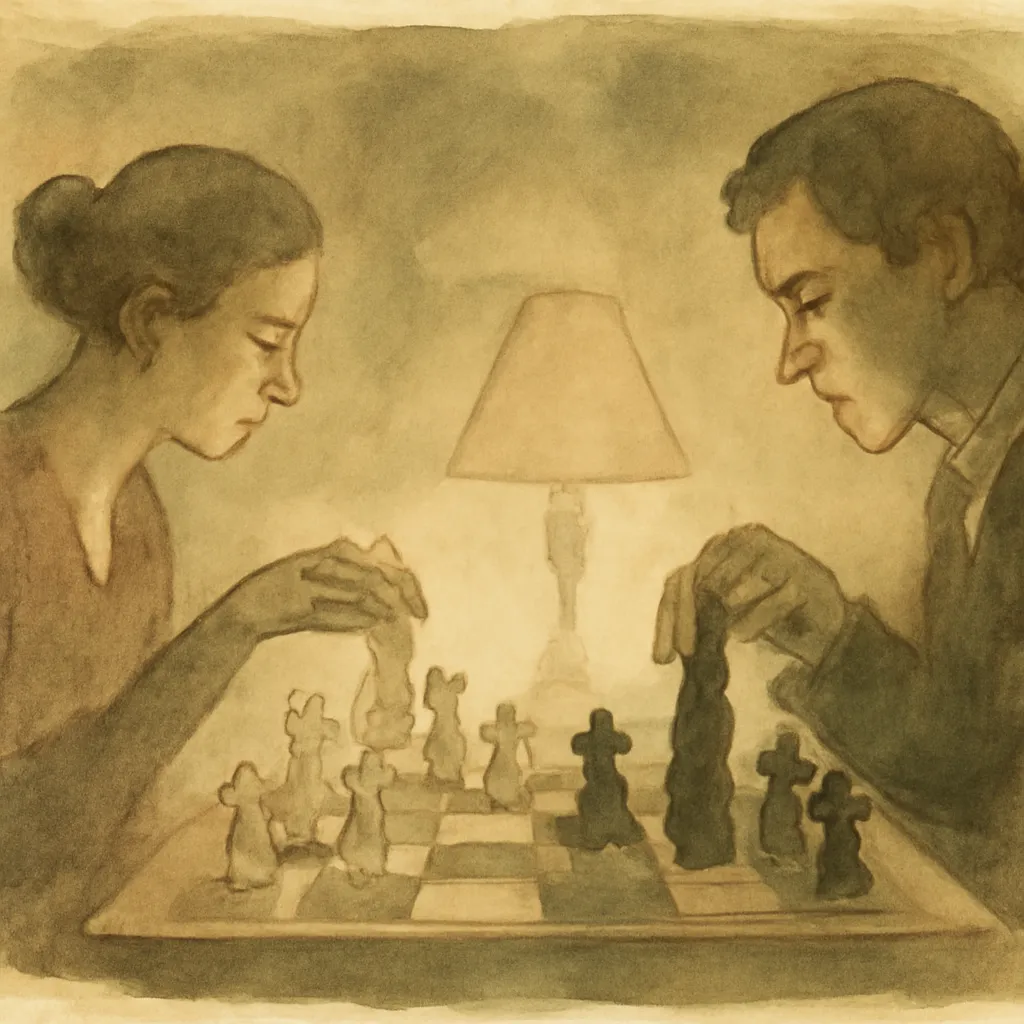
Oppenheim's portrayal of espionage is rich and multifaceted, revealing it as a game of shadows where trust is a luxury few can afford. Characters like Baron de Grost and Count von Hern navigate this treacherous landscape, where appearances are deceiving, and motives are often hidden. The author delves into the psychological aspects of being a spy, highlighting the emotional toll that such a life can take on individuals. The phrase 'Cherchez la femme' encapsulates the idea that women often wield significant power in these intrigues, serving as both catalysts and obstacles. Through the interactions between male and female characters, Oppenheim explores themes of desire, deception, and the complexities of romantic entanglements in a world fraught with danger. Notably, the tension between personal desire and professional duty is palpable; characters must often choose between their hearts and their missions. This exploration of the espionage world emphasizes the high stakes involved, not just in terms of national security but also in personal relationships, making Oppenheim's narrative a compelling reflection on the sacrifices made in the name of duty.
3.The Dichotomy of Public and Private Life
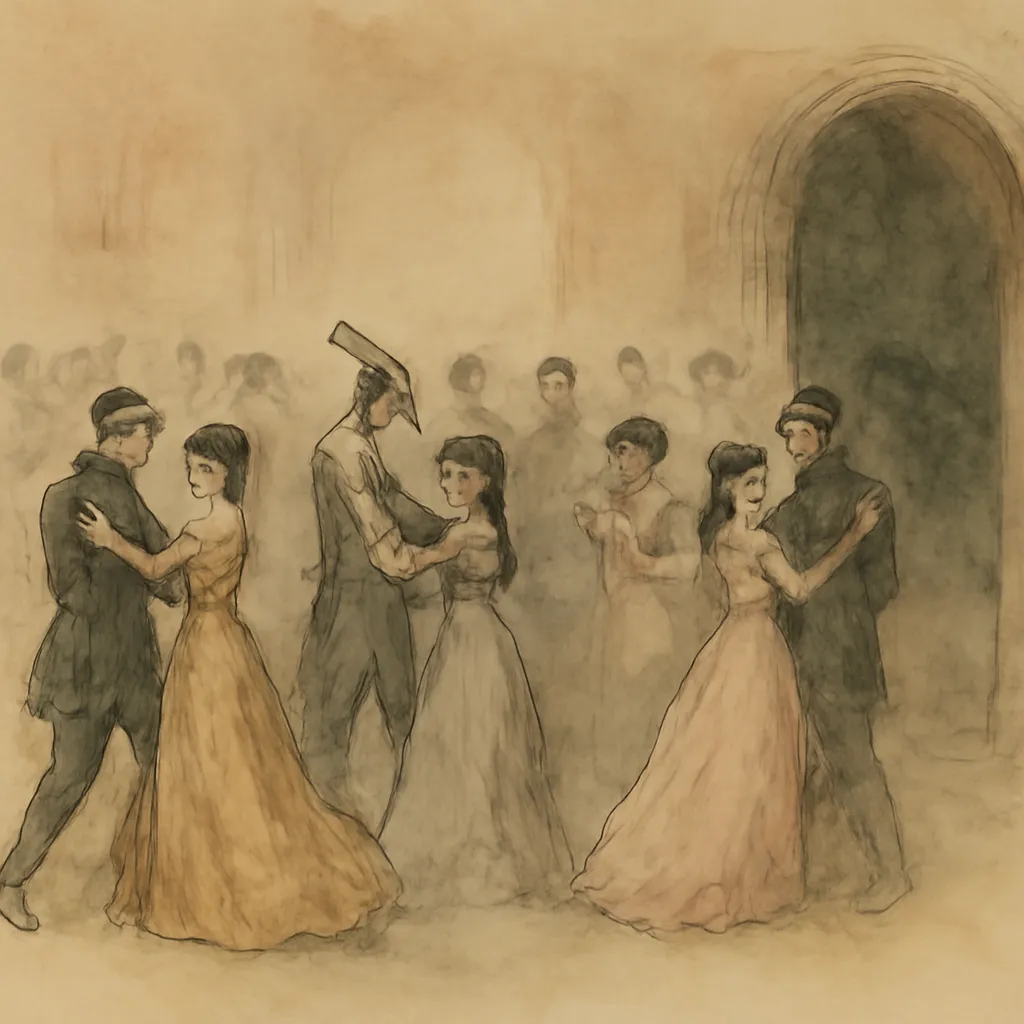
The contrast between public personas and private realities is a recurring theme throughout The Double Four. Characters like Baron de Grost and his wife Violet illustrate how individuals can lead double lives, maintaining a facade of respectability while engaging in morally ambiguous activities. The glamour of high society, depicted in the gatherings and receptions, serves as a backdrop for the darker undercurrents of espionage that run beneath the surface. The opulent settings of ballrooms and dining rooms starkly contrast the dangerous games played in the shadows, emphasizing how the world of espionage intrudes upon everyday life. This duality raises questions about identity and the roles people play in their lives. The characters grapple with their public duties versus their private desires, creating a tension that drives the narrative. Oppenheim masterfully captures the allure of society while simultaneously exposing its hypocrisy, suggesting that the world of espionage is not just about national interests but also about personal ambitions and desires. By placing ordinary lives against extraordinary circumstances, the author underscores the fragility of social constructs when faced with deception.
4.The Role of Women in Espionage

Women in The Double Four are portrayed as both powerful and enigmatic, often acting as pivotal figures in the unfolding drama. Characters like Madame and Mademoiselle Sophie Celaire embody the complexities of female agency within a male-dominated world. Madame's soirées serve as a gathering point for influential figures, showcasing her ability to navigate social and political landscapes effectively. Meanwhile, Mademoiselle Celaire's dance captivates not just the audience but also reveals the seductive power she wields over men, particularly Peter Ruff. Oppenheim challenges traditional gender roles by presenting women as active participants in the espionage game rather than mere objects of desire. This nuanced portrayal invites readers to consider the ways in which women influence events, often from behind the scenes. The dynamics between male and female characters highlight the intricate dance of power, attraction, and deception that characterizes espionage. Additionally, Oppenheim illustrates how women can manipulate their surroundings to achieve their goals, thus complicating the narrative of power dynamics. This representation allows for a richer exploration of gender roles within the context of the espionage genre.
5.The Psychological Toll of Espionage
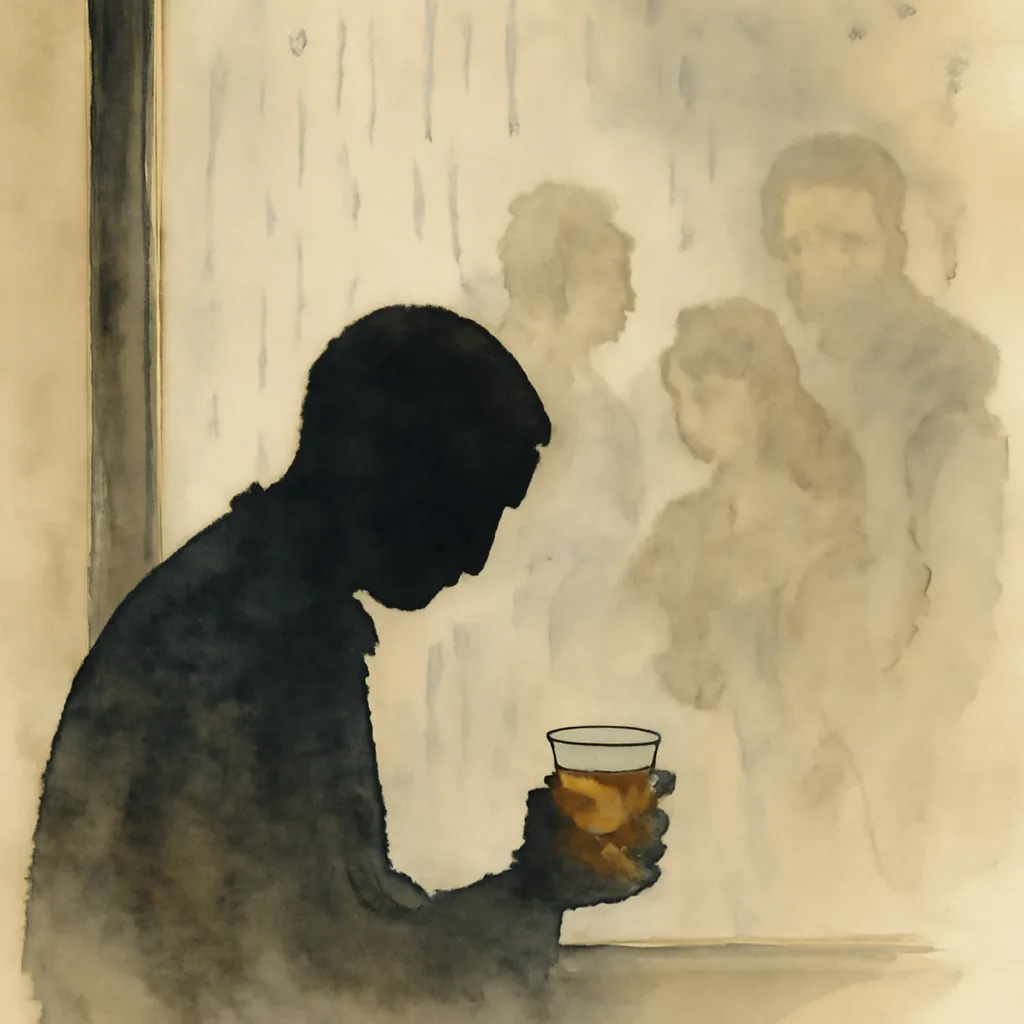
As Peter Ruff reenters the world of espionage, the psychological implications of his past become increasingly evident. The emotional burden of betrayal, fear, and the constant threat of exposure weigh heavily on him. Oppenheim delves into the mental state of spies, illustrating how the demands of their work can lead to paranoia, anxiety, and isolation. Ruff's reflections on his previous life reveal a man torn between duty and the desire for a peaceful existence, emphasizing the internal conflict that defines his character. The author portrays how the stress of living a double life can erode personal relationships, as trust is compromised and secrets become a necessity. Scenes depicting Ruff's anxiety and the weight of his decisions create an atmosphere of tension, making the reader acutely aware of the stakes involved in espionage. Oppenheim's exploration of these themes invites a deeper understanding of the sacrifices made by individuals in the name of duty, prompting readers to reflect on the personal costs associated with espionage.
6.The Intricacies of Deception
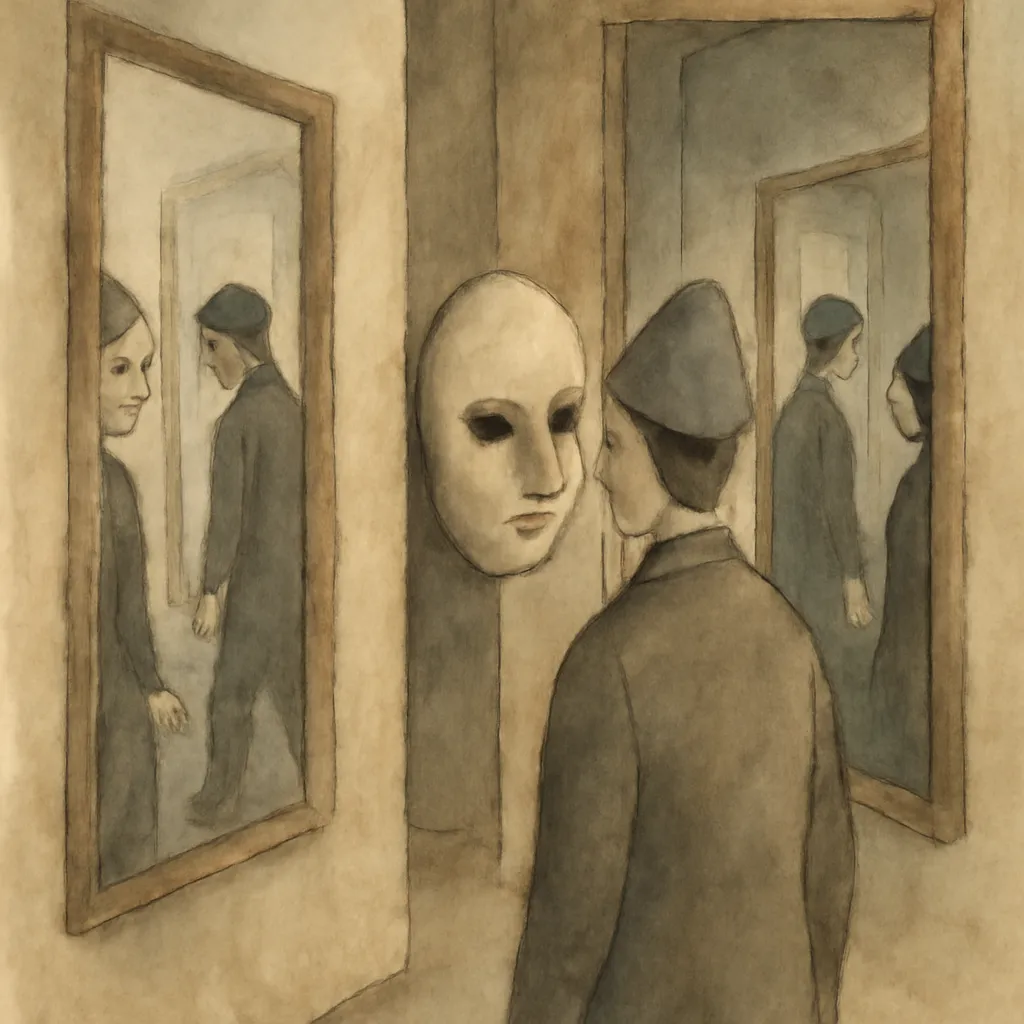
Deception is a central theme in The Double Four, permeating the interactions between characters and the unfolding plot. Oppenheim illustrates how lies and manipulation are not just tools of espionage but also integral to personal relationships. Characters often wear masks, concealing their true intentions while navigating a world rife with suspicion. The tension between truth and deception creates an atmosphere of uncertainty, where characters must constantly question the motives of those around them. The intricate web of deceit underscores the moral ambiguities inherent in espionage, forcing characters to confront their own ethical boundaries. Oppenheim uses various plot points to highlight how deception can be both a survival mechanism and a source of profound conflict. For instance, when secrets come to light, the ensuing chaos often leads to dramatic confrontations that reveal deeper truths about loyalty and betrayal. The novel prompts readers to consider the costs of deception, both for the deceivers and the deceived, and the impact it has on trust and loyalty. Through the lens of espionage, Oppenheim crafts a narrative that reflects the complexities of human relationships and the consequences of deceit.
7.The Thrill of the Chase
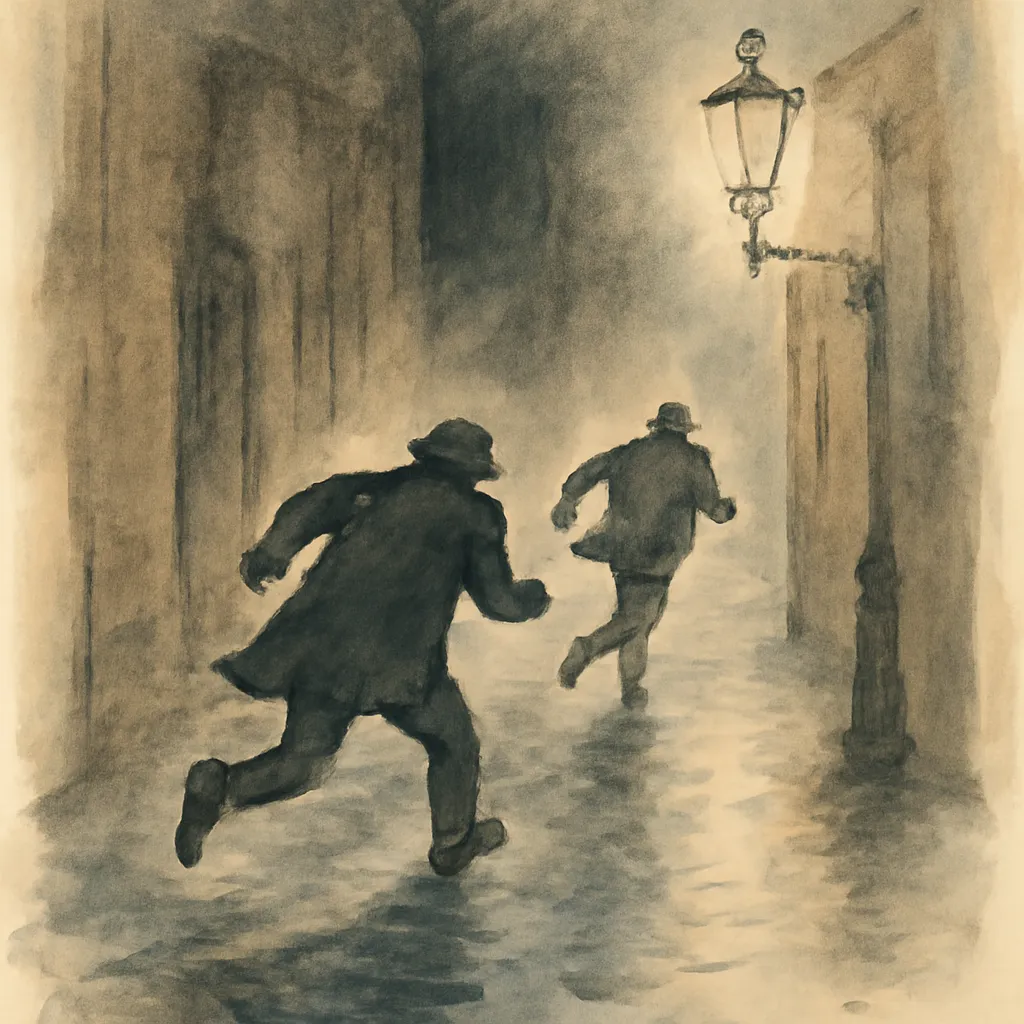
The narrative of The Double Four is driven by a sense of urgency and tension, as characters engage in a thrilling game of cat and mouse. The stakes are raised as Peter Ruff and his associates navigate a world filled with danger and intrigue. Oppenheim crafts suspenseful scenarios that keep readers on the edge of their seats, heightening the sense of adventure. The thrill of the chase is not just physical but also psychological, as characters grapple with their pasts and the consequences of their actions. The pacing of the novel accelerates as tensions rise, culminating in moments of revelation and confrontation. For example, the chase often leads to unexpected twists that challenge Ruff’s understanding of trust and betrayal, making him question the motives of those he once considered allies. This sense of urgency underscores the idea that in the world of espionage, every decision can have far-reaching consequences. Oppenheim's skillful storytelling captures the excitement of the chase, making it a compelling aspect of the narrative. The interplay between risk and reward drives the characters to make choices that reveal their true natures, elevating the stakes of their personal and professional struggles.
8.Moral Ambiguities in Espionage

Throughout The Double Four, Oppenheim explores the moral ambiguities that define the world of espionage. Characters are often faced with difficult choices that challenge their ethical beliefs and personal loyalties. The line between right and wrong becomes blurred as individuals navigate the complexities of their roles. For example, Peter Ruff's journey raises questions about the sacrifices one must make for the greater good and the impact of those sacrifices on personal relationships. Oppenheim does not provide clear answers, instead encouraging readers to grapple with the complexities of morality in high-stakes situations. This nuanced exploration of moral dilemmas invites reflection on the nature of good and evil, loyalty and betrayal. The narrative poses critical questions about the responsibilities of those involved in espionage, suggesting that the moral landscape is fraught with challenges that can lead even the most principled individuals astray. By illustrating the consequences of these moral choices, Oppenheim enriches the narrative, making it a thought-provoking commentary on the ethical implications of espionage.
9.The Impact of the Past on the Present

The past looms large over the characters in The Double Four, influencing their actions and decisions in profound ways. Peter Ruff's attempt to distance himself from his former life is continually undermined by the reemergence of figures from that world. Oppenheim illustrates how unresolved issues and lingering ties can complicate one's present, as characters struggle to reconcile their pasts with their current realities. The theme of the past's influence is evident in the relationships between characters, particularly as they confront their histories and the choices they have made. This exploration of memory and consequence underscores the idea that one cannot easily escape their past, no matter how hard they try. For instance, past betrayals resurface at critical moments, forcing characters to confront the ramifications of their previous actions. By weaving the past into the fabric of the narrative, Oppenheim creates a rich tapestry of character development and thematic depth. The novel ultimately suggests that the past shapes the present in ways that are often unavoidable and impactful, inviting readers to consider how their own histories inform their choices.