

Sisters · Fiction · Fiction, horror
The Girl Next Door by Jack Ketchum — Summary, Key Ideas & Quotes
1989362 pages✦ 3-min Big ideas★ 4.3 (7)
Rate it
Suburbia in the 1950s, a dark side emerging in the Chandler house for teenage Meg and her crippled little sister Susan--captive to an Aunt, who is rapidly descending into madness. ""The Girl Next Door" is alive . . . in a way most works of popular fiction never attain; it does not just promise terror but actually delivers it. But it's a page-turner, all right; no doubt about that."--Stephen King
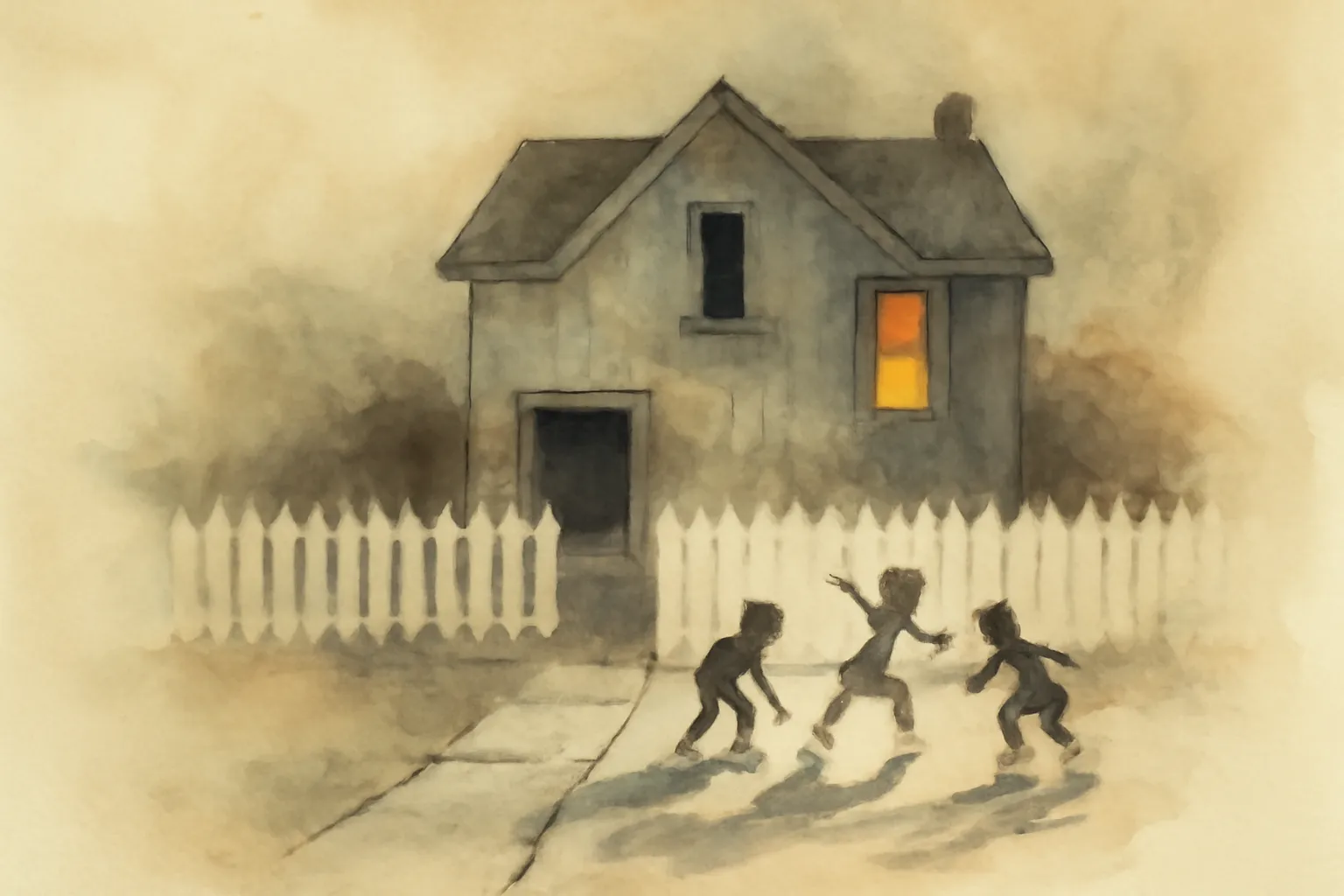
Ketchum's novel is a chilling meditation on how monstrous acts can emerge from ordinary circumstances. Set in a seemingly idyllic 1950s suburb, the story reveals how cruelty can fester in the most familiar settings. The horror is amplified by the fact that the perpetrators are not supernatural beings, but everyday people—neighbors, friends, and family. This ordinary evil is what makes the book so unsettling, raising questions about complicity, conformity, and the thin veneer separating civility from savagery.
Told from the perspective of a young boy, David, the novel traces his journey from innocence to a painful awareness of the world's brutality. The events he witnesses force him to grapple with guilt, responsibility, and the limits of his own courage. Ketchum uses David's internal conflict to explore how exposure to evil can irreparably alter a person's worldview, and how childhood is not always a sanctuary from violence.
“You think you know about pain?”
“It's amazing how much you can get used to.”