1.The Banality of Evil
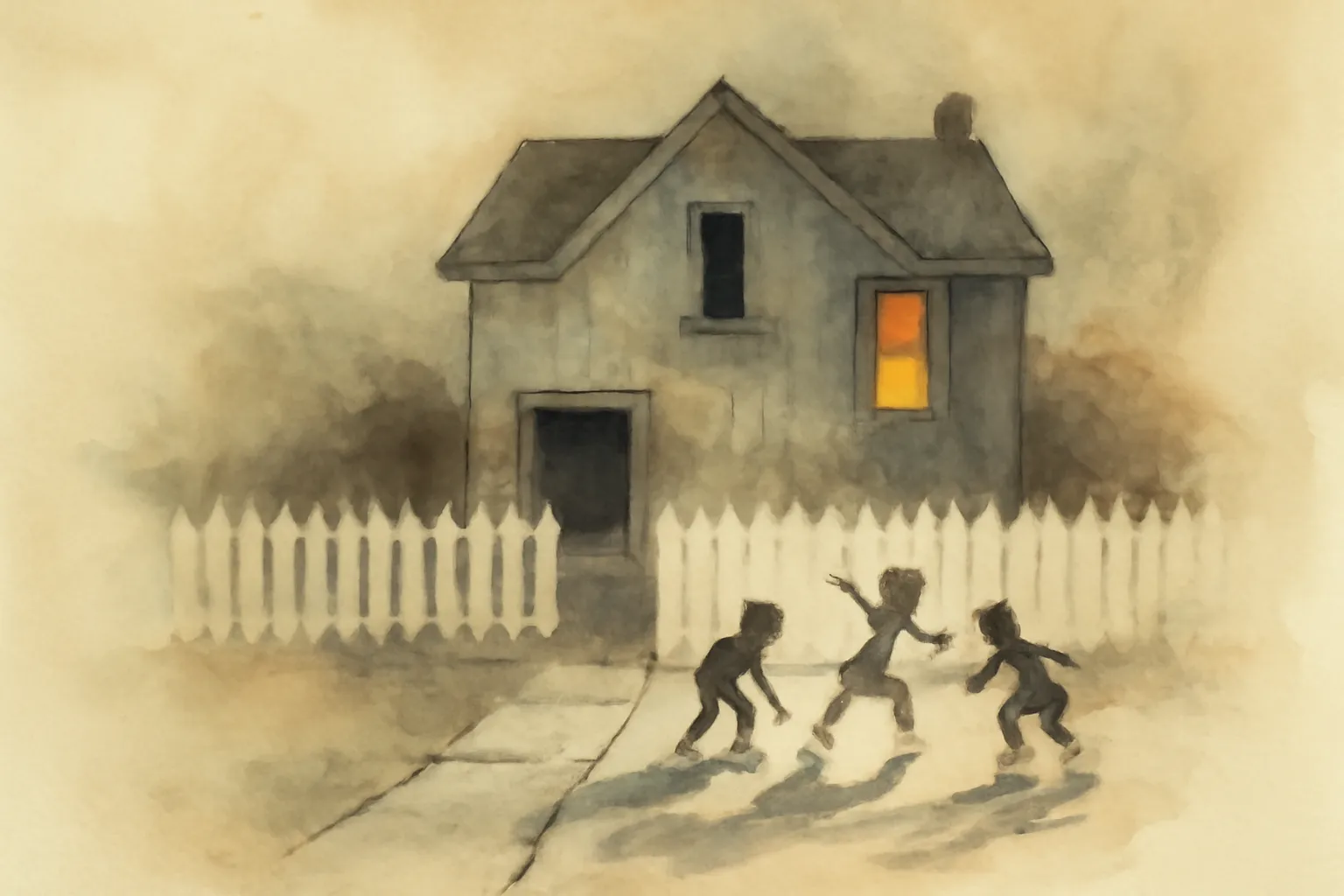
Ketchum's novel is a chilling meditation on how monstrous acts can emerge from ordinary circumstances. Set in a seemingly idyllic 1950s suburb, the story reveals how cruelty can fester in the most familiar settings. The horror is amplified by the fact that the perpetrators are not supernatural beings, but everyday people—neighbors, friends, and family. This ordinary evil is what makes the book so unsettling, raising questions about complicity, conformity, and the thin veneer separating civility from savagery.
2.Loss of Innocence
Told from the perspective of a young boy, David, the novel traces his journey from innocence to a painful awareness of the world's brutality. The events he witnesses force him to grapple with guilt, responsibility, and the limits of his own courage. Ketchum uses David's internal conflict to explore how exposure to evil can irreparably alter a person's worldview, and how childhood is not always a sanctuary from violence.
3.Group Psychology and Mob Mentality
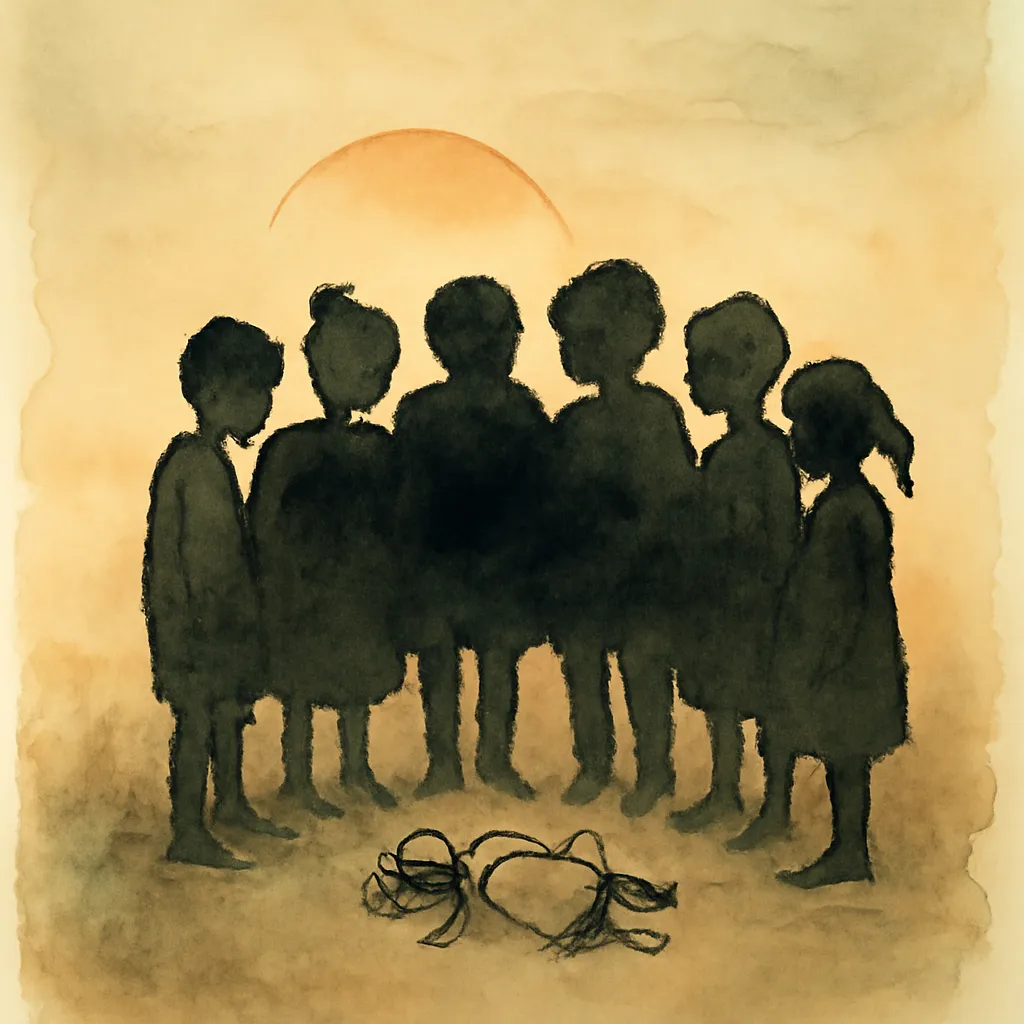
The Girl Next Door examines how individuals can be swept up in collective cruelty. Ruth, the aunt, becomes a ringleader, but the participation of her sons and other neighborhood children reveals how group dynamics can erode personal morality. The novel is a disturbing case study in how peer pressure, authority, and the desire to belong can override empathy and conscience, leading ordinary people to commit or enable atrocities.
4.Victimization and Powerlessness
At its core, the book is a relentless depiction of victimization. Meg and Susan's suffering is portrayed with unflinching realism, making their powerlessness—and the bystanders' inability or unwillingness to intervene—especially haunting. Ketchum forces readers to confront the uncomfortable reality that evil often triumphs not because of the strength of perpetrators, but because of the silence and inaction of those who witness it.
5.The Limits of Empathy and Moral Responsibility
The novel challenges readers to consider their own responses to suffering and injustice. Through David's internal struggles, Ketchum asks: When does witnessing become complicity? What are the costs of intervention versus inaction? The story doesn't offer easy answers, but it compels readers to reflect on their own moral boundaries and the courage required to act against wrongdoing.
6.The Lasting Impact of Trauma
Ketchum doesn't just focus on the immediate horror, but also on its enduring psychological scars. The narrative, framed as an adult David looking back, shows how trauma reverberates through a lifetime. The novel suggests that witnessing or participating in evil leaves marks that never fully heal, shaping identity and memory in profound ways.