Fiction · Fugitive slaves · Abolitionists
The Good Lord Bird by James McBride — Summary, Key Ideas & Quotes
2013468 pages✦ 3-min Big ideas★ 4.1 (8)
Rate it
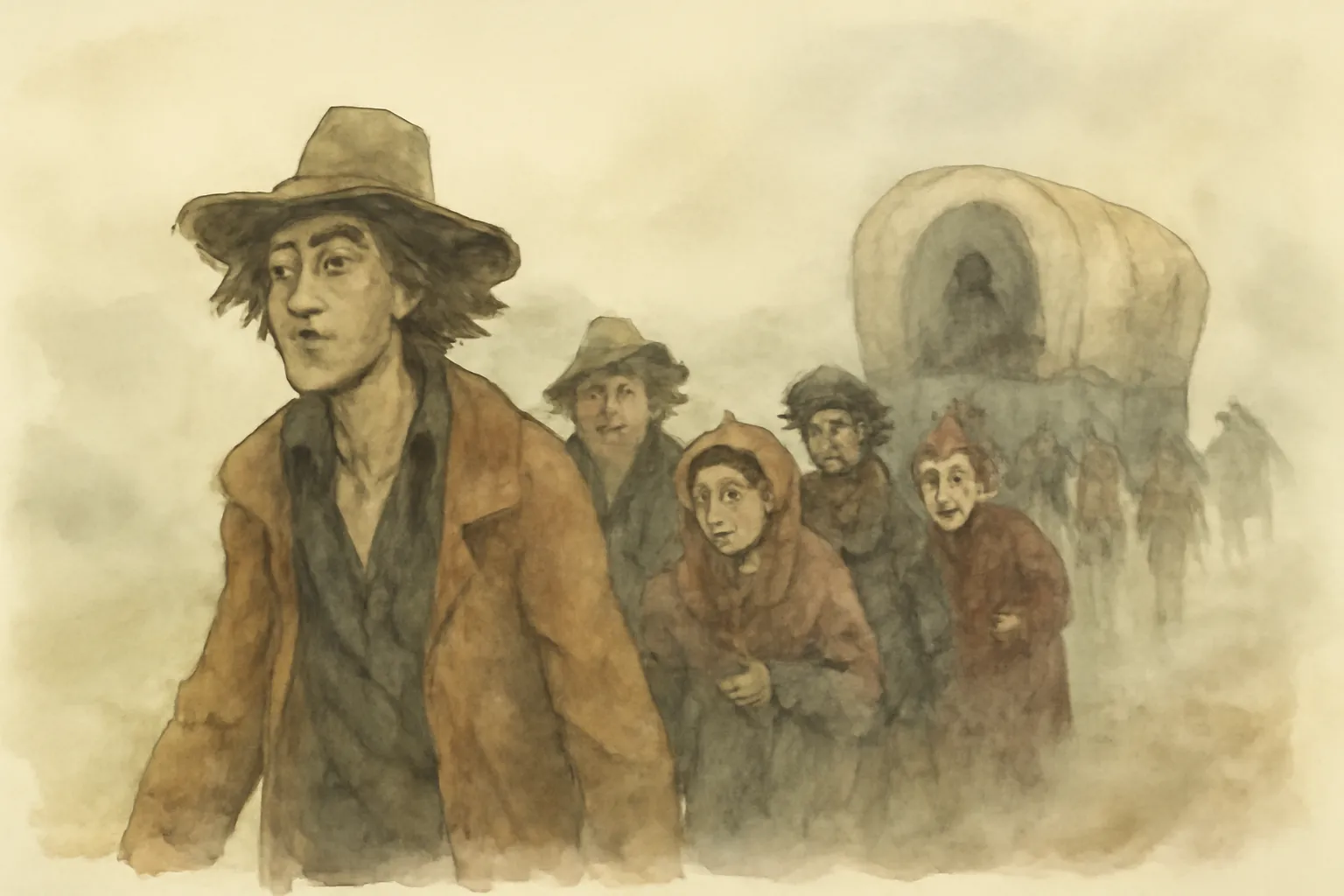
Fleeing his violent master at the side of abolitionist John Brown at the height of the slavery debate in mid-nineteenth-century Kansas Territory, Henry pretends to be a girl to hide his identity throughout the raid on Harpers Ferry in 1859.
James McBride uses satire to reframe the story of John Brown and the abolitionist movement, poking fun at the myths and contradictions of American history. By exaggerating characters and events, he exposes the absurdities and moral ambiguities of the era, inviting readers to question the narratives they've inherited. The novel’s humor doesn’t undermine the seriousness of slavery, but instead highlights the complexity and chaos of the struggle for freedom.
The protagonist, Henry 'Onion' Shackleford, spends much of the novel disguised as a girl, which becomes a powerful metaphor for the fluidity and performativity of identity. Through Onion’s eyes, the book explores how race, gender, and selfhood are shaped by circumstance and survival. Onion’s shifting identity also allows the reader to experience the era’s prejudices and expectations from a unique vantage point.
“Being a Negro’s a lie, that’s what it is. Being a Negro’s a lie, and it ain’t one I’m gonna keep up no more.”
“If you want to know what it takes to be free, you got to look at the Good Lord Bird.”