A wild, irreverent journey through slavery, identity, and the chaos of John Brown’s abolitionist crusade.
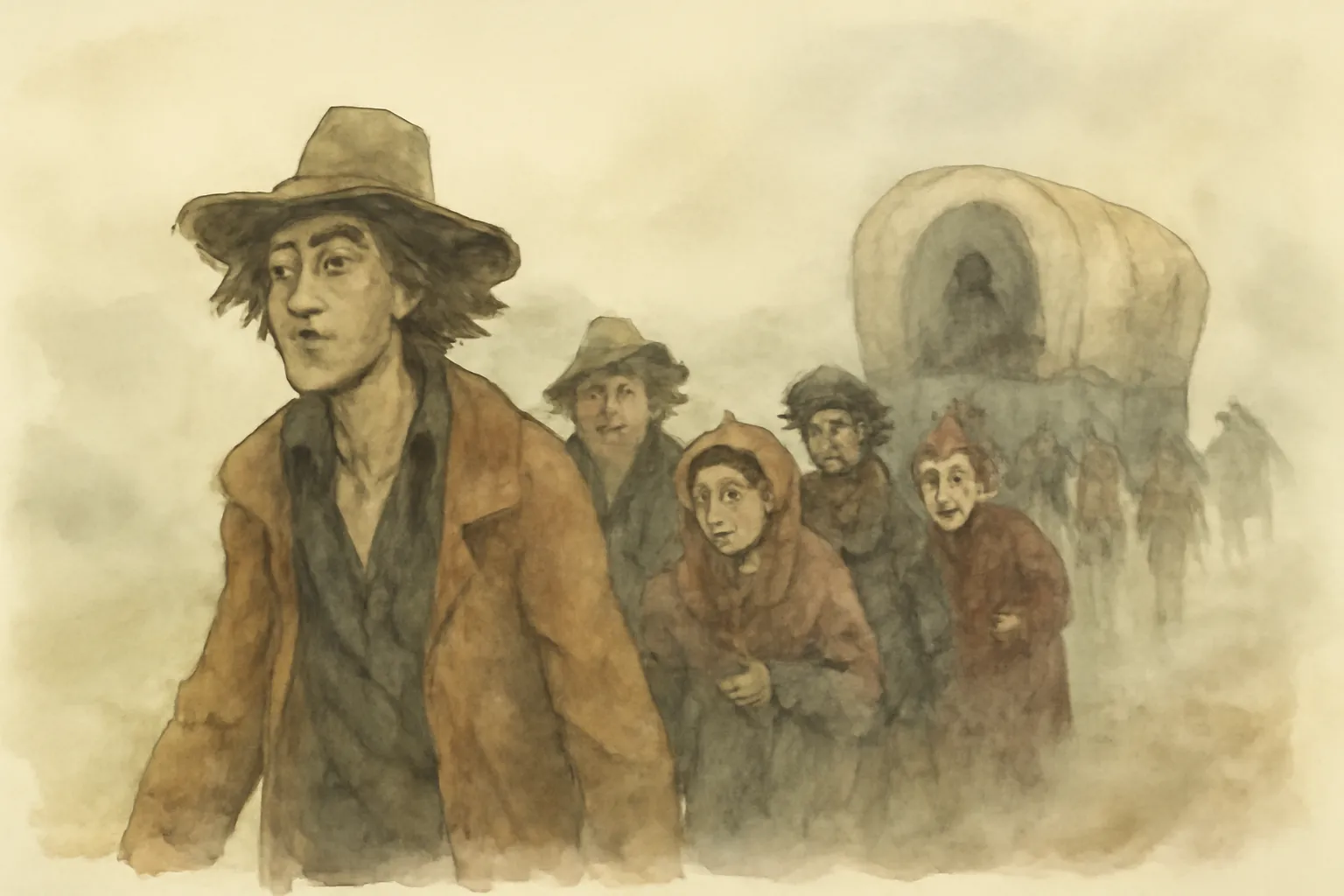
The Good Lord Bird offers a fresh, darkly comic lens on the American fight against slavery, blending history and satire through the eyes of a young, cross-dressing slave. Readers will find themselves questioning the nature of heroism, identity, and the blurred lines between legend and truth in America’s past. If you’re seeking a novel that is both thought-provoking and entertaining, this is a bold, original take on a pivotal era.
James McBride is an acclaimed American writer, musician, and journalist, best known for his memoir The Color of Water. His deep engagement with African American history and culture, along with his skillful storytelling, make him uniquely qualified to tackle the themes of The Good Lord Bird.
Key ideas
1.Satire and Reimagining History
James McBride uses satire to reframe the story of John Brown and the abolitionist movement, poking fun at the myths and contradictions of American history. By exaggerating characters and events, he exposes the absurdities and moral ambiguities of the era, inviting readers to question the narratives they've inherited. The novel’s humor doesn’t undermine the seriousness of slavery, but instead highlights the complexity and chaos of the struggle for freedom.
2.Fluidity of Identity
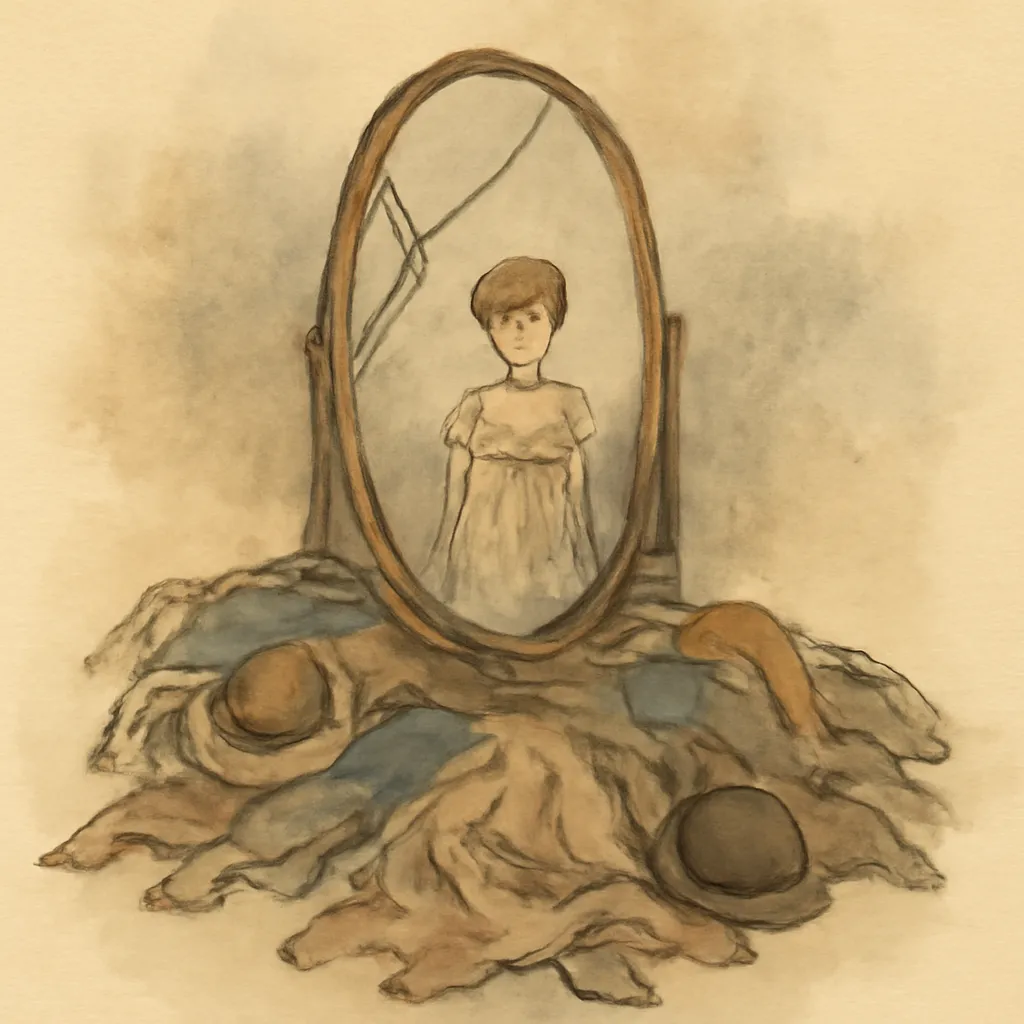
The protagonist, Henry 'Onion' Shackleford, spends much of the novel disguised as a girl, which becomes a powerful metaphor for the fluidity and performativity of identity. Through Onion’s eyes, the book explores how race, gender, and selfhood are shaped by circumstance and survival. Onion’s shifting identity also allows the reader to experience the era’s prejudices and expectations from a unique vantage point.
3.John Brown: Hero, Madman, or Both?
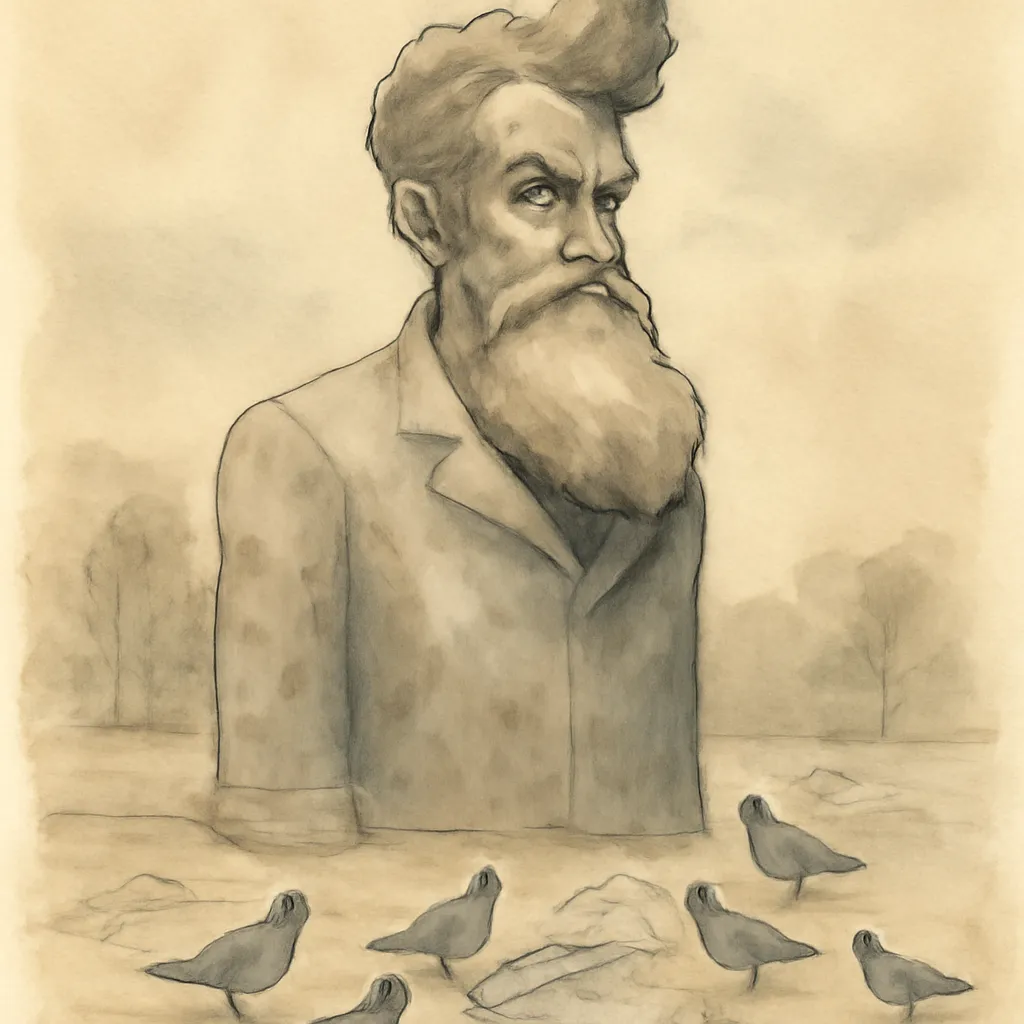
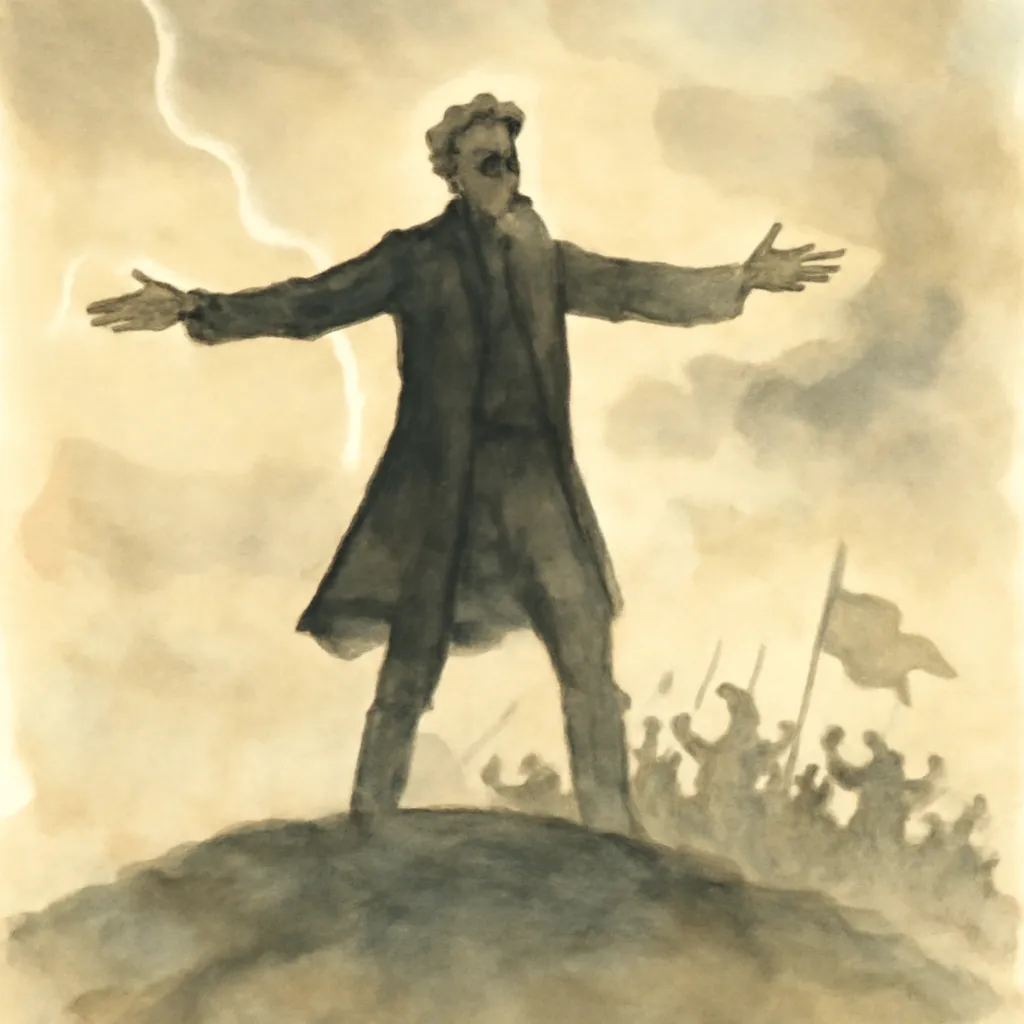
McBride’s John Brown is a larger-than-life figure—fervently religious, unpredictable, and both inspiring and exasperating. The novel refuses to settle on a simple label for Brown, instead portraying him as a man whose conviction and fanaticism blur the line between heroism and madness. This ambiguity encourages readers to grapple with the messy realities of moral action and historical legacy.
4.The Power and Limits of Storytelling
By narrating the story through Onion’s unreliable, often self-serving perspective, the novel underscores how history is shaped by those who tell it. Onion’s tall tales, evasions, and embellishments mirror the way historical figures and events become mythologized. The book asks readers to consider whose voices are heard, and how truth is constructed or obscured.
5.Freedom, Agency, and Complicity
The Good Lord Bird complicates the idea of freedom, showing how enslaved people navigated impossible choices and compromised to survive. Onion’s journey is not a straightforward path to liberation; it’s filled with moments of complicity, self-preservation, and reluctant heroism. The novel challenges simplistic notions of victimhood and resistance, revealing the moral gray areas of the time.
6.Comedy as a Tool for Truth
Despite its serious subject matter, the novel is consistently funny, using humor to disarm and engage the reader. McBride’s comedic voice allows for a more nuanced exploration of race and violence, making the brutality of slavery and the absurdity of fanaticism both accessible and impactful. Laughter becomes a way to survive—and to see clearly.
Key takeaways
- ◆Satire reveals the chaos and contradictions of American history.
- ◆Onion’s shifting identity challenges fixed ideas of race and gender.
- ◆John Brown is both a hero and a madman—sometimes at the same time.
- ◆The novel questions who gets to tell history and why.
- ◆Comedy can illuminate even the darkest chapters of the past.
In conclusion
The Good Lord Bird is a daring, inventive novel that uses humor and an unforgettable narrator to probe the complexities of race, freedom, and historical memory. It’s a book that entertains as much as it challenges, offering new ways to think about the past and its echoes today. For readers ready to question easy answers and embrace the messiness of history, McBride’s novel is a must-read.