

Social aspects · Influence · Fiction
The Great Fire by Shirley Hazzard — Summary, Key Ideas & Quotes
2003326 pages✦ 3-min Big ideas★ 3.0 (1)
Rate it
In war-torn Asia and stricken Europe, men and women, still young but veterans of harsh experience, must reinvent their lives and expectations, and learn from their past, to dream again. Some will fulfill their destinies, others will falter.
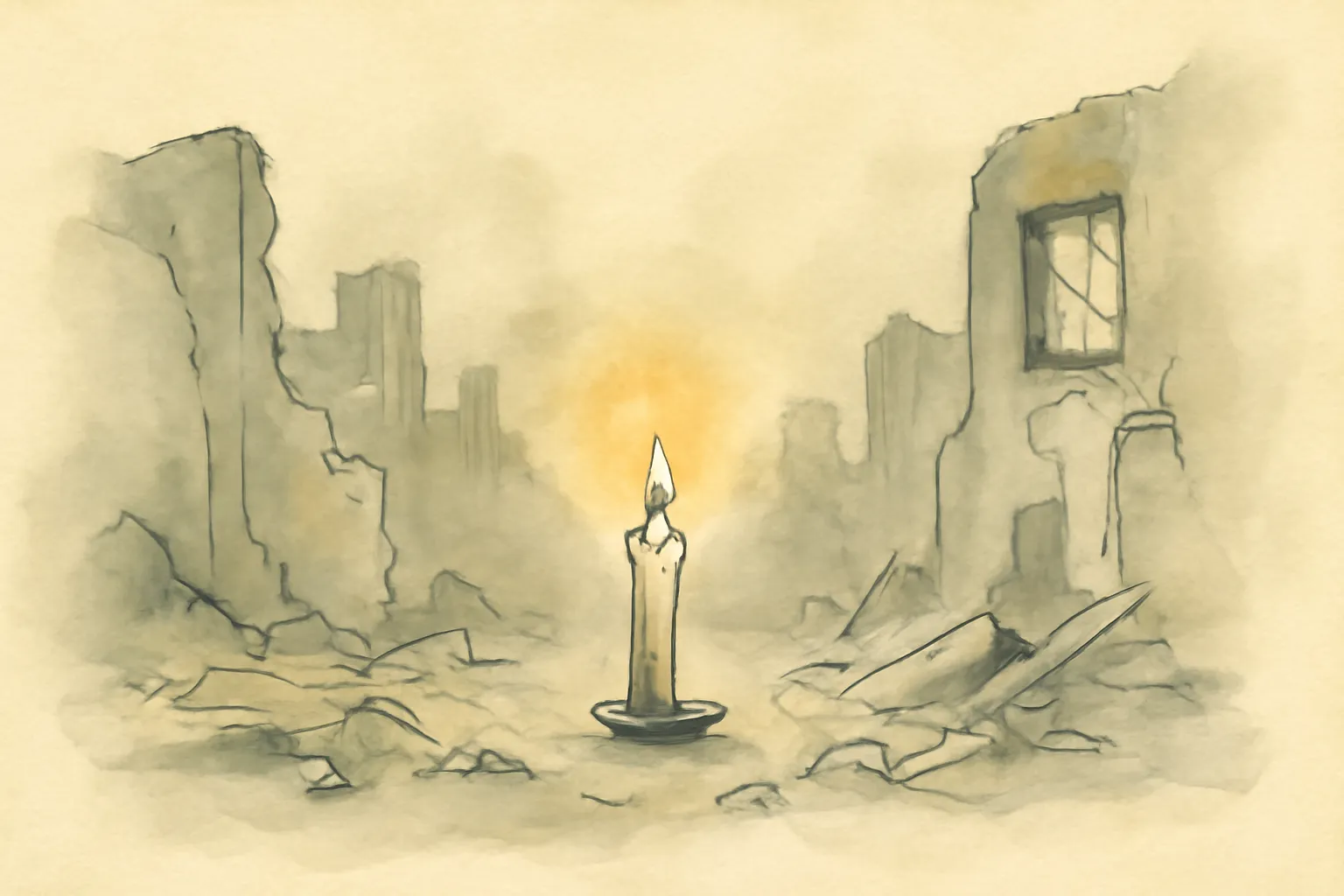
Hazzard’s novel is set in the late 1940s, a period marked by both physical and psychological ruins. The characters, many of whom are veterans or survivors, must confront the lingering trauma and moral ambiguity left by global conflict. The story probes how war’s devastation extends beyond the battlefield, shaping destinies and relationships in subtle, enduring ways. Through their attempts to find meaning and stability, Hazzard examines the resilience and fragility of the human spirit.
At the heart of the novel is the unlikely romance between Aldred Leith, a British war hero and writer, and Helen Driscoll, a much younger woman living in occupied Japan. Their relationship is depicted not as escapism, but as a hard-won source of hope and renewal. Hazzard uses their love to suggest that connection and tenderness can survive—even flourish—in the aftermath of catastrophe, offering a counterpoint to the world’s violence and loss.
“The world, in its old form, had ended; the present was a foreign country.”
“Love is a kind of great fire, and when it burns, it leaves nothing as it was.”