1.The Aftermath of War
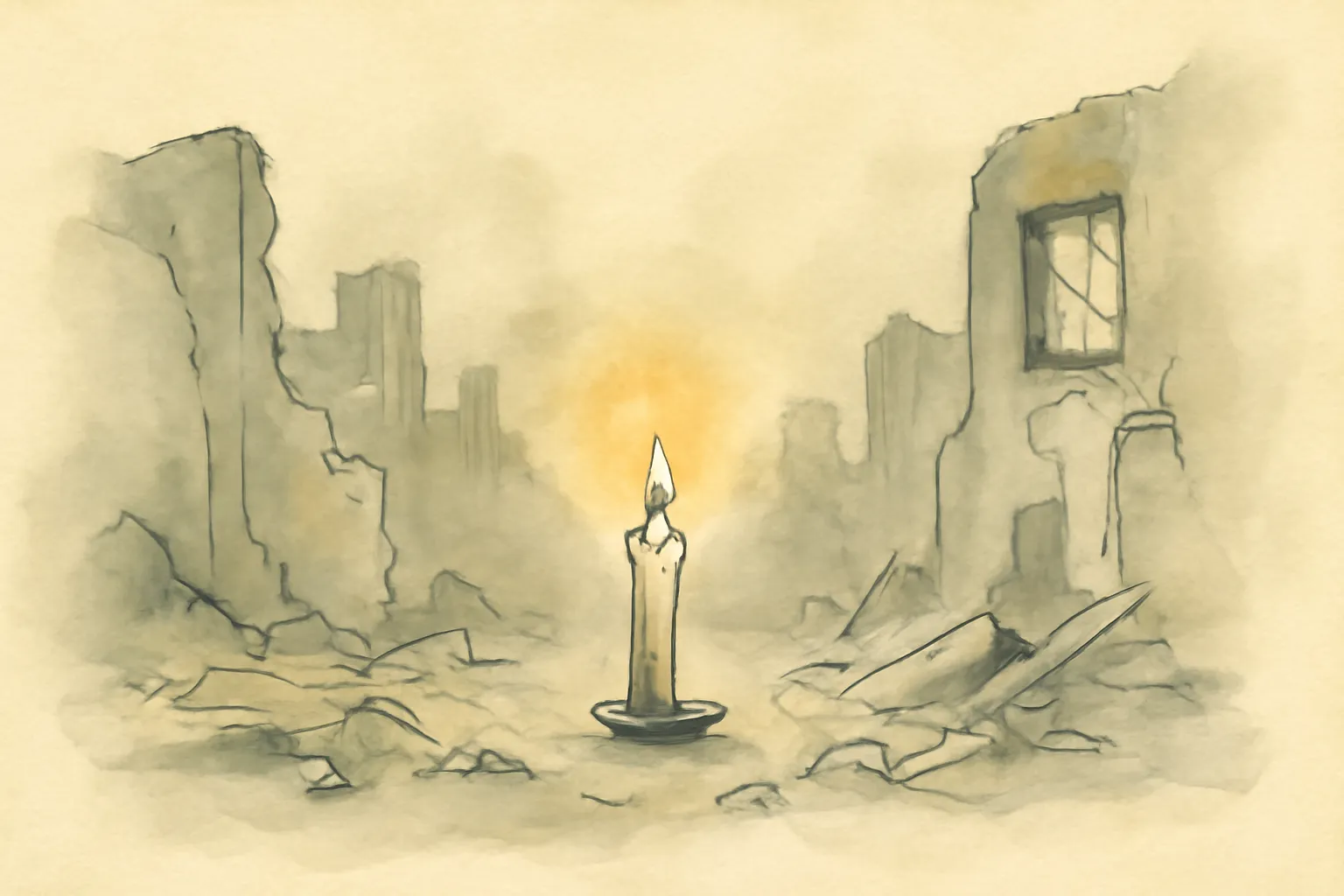
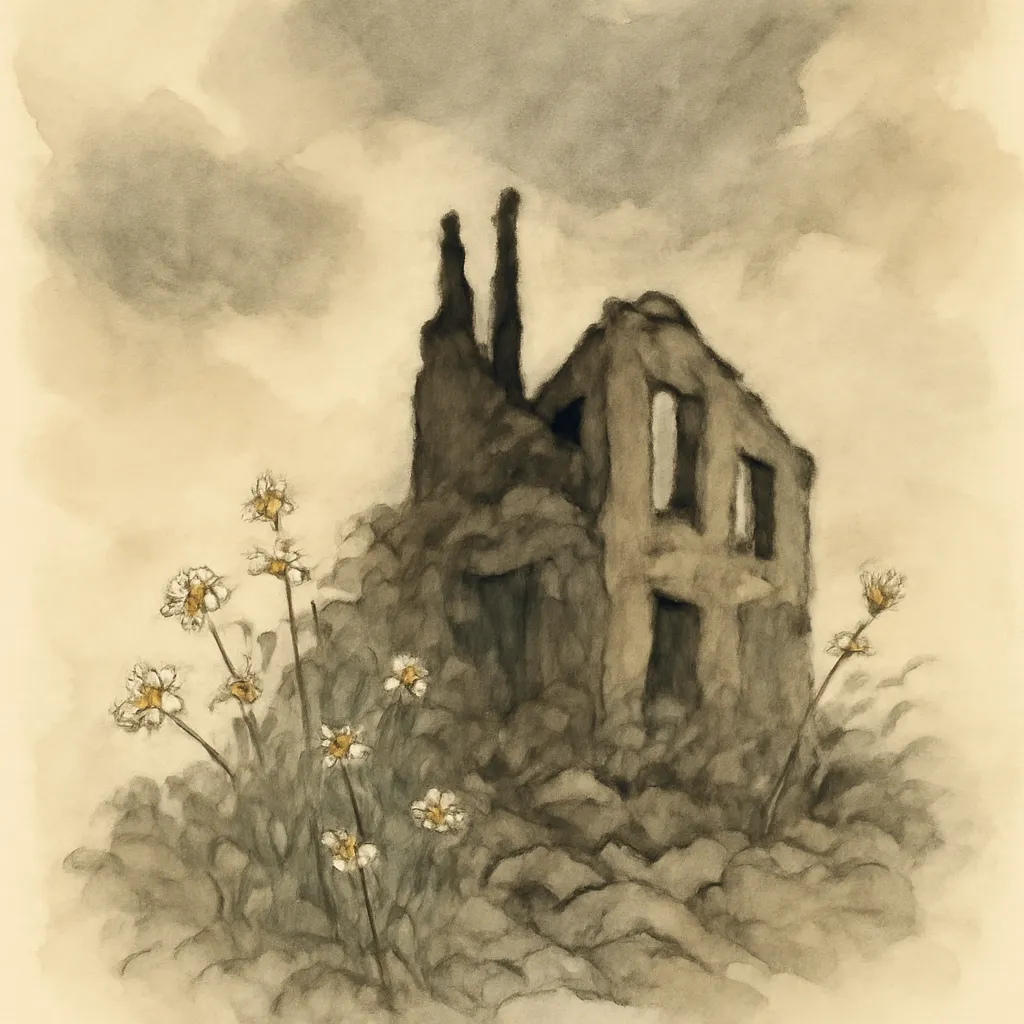
Hazzard’s novel is set in the late 1940s, a period marked by both physical and psychological ruins. The characters, many of whom are veterans or survivors, must confront the lingering trauma and moral ambiguity left by global conflict. The story probes how war’s devastation extends beyond the battlefield, shaping destinies and relationships in subtle, enduring ways. Through their attempts to find meaning and stability, Hazzard examines the resilience and fragility of the human spirit.
2.Love as Redemption
At the heart of the novel is the unlikely romance between Aldred Leith, a British war hero and writer, and Helen Driscoll, a much younger woman living in occupied Japan. Their relationship is depicted not as escapism, but as a hard-won source of hope and renewal. Hazzard uses their love to suggest that connection and tenderness can survive—even flourish—in the aftermath of catastrophe, offering a counterpoint to the world’s violence and loss.
3.The Weight of Memory
Memory, both personal and collective, permeates the novel. Characters are haunted by the past, whether through guilt, nostalgia, or the burden of witnessing history’s horrors. Hazzard explores how memory can be both an anchor and a shackle, shaping identity and the capacity to move forward. The narrative questions whether it is possible to truly leave the past behind, or if healing requires a reckoning with what has been lost.
4.Cultural Dislocation and Encounter
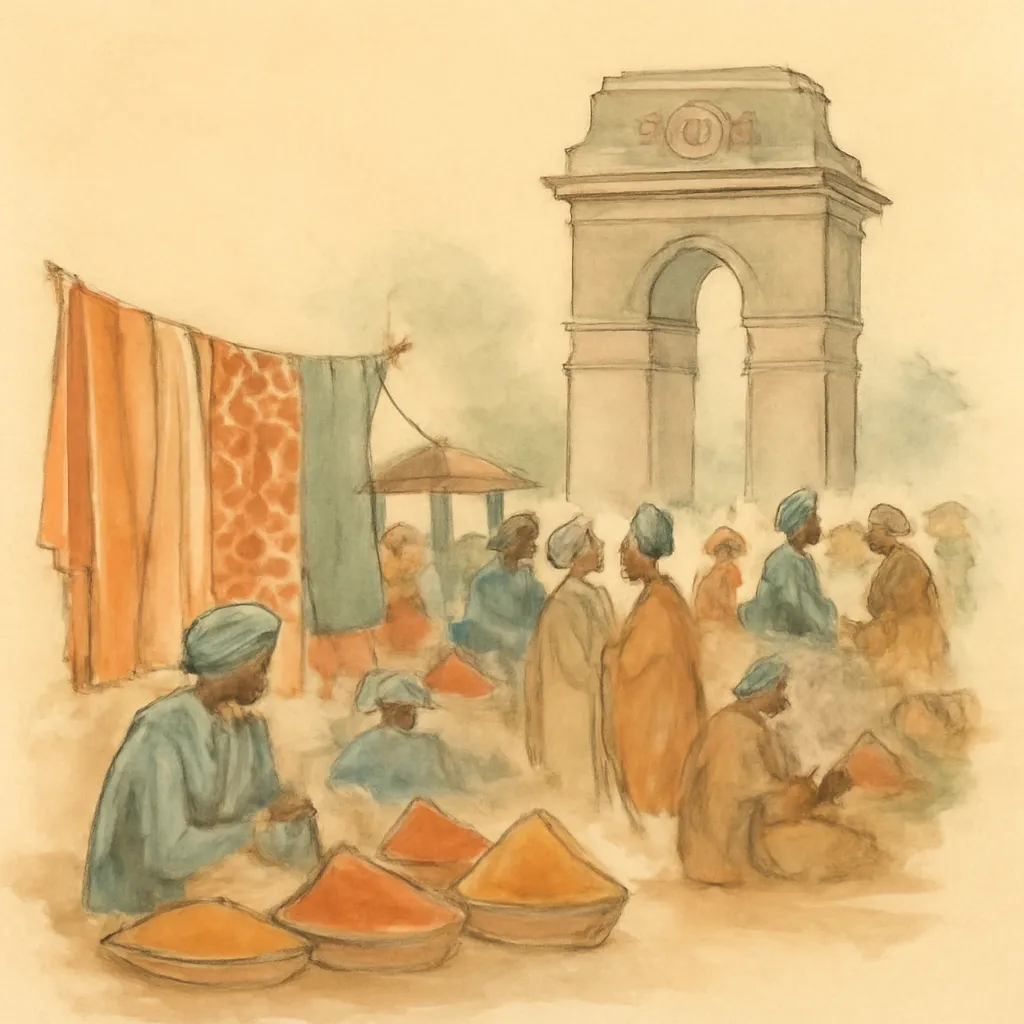
Set in postwar Asia and Europe, the novel vividly portrays the clash and mingling of cultures in the wake of empire and conflict. Western characters navigate unfamiliar landscapes and customs, often with a sense of alienation or superiority. Hazzard highlights the misunderstandings and moments of genuine connection that arise from these encounters, using them to reflect on broader questions of belonging, colonialism, and empathy.
5.The Search for Meaning
In a world stripped of old certainties, Hazzard’s characters are compelled to ask what gives life value. Through their intellectual pursuits, moral dilemmas, and emotional struggles, the novel meditates on art, duty, and the possibility of renewal. The narrative resists easy answers, instead suggesting that meaning must be forged anew in the face of loss and uncertainty.
6.Language and Beauty Amid Ruin
Hazzard’s prose is celebrated for its elegance and precision, and The Great Fire is no exception. The novel’s style mirrors its themes, finding beauty in moments of quiet observation and human connection. This attention to language elevates the story, inviting readers to linger over its insights and to appreciate the possibility of grace even in a damaged world.