

Married people, fiction · Fiction, psychological · Long island (n.y.), fiction
The Great Gatsby by F. Scott Fitzgerald — Summary, Key Ideas & Quotes
1920185 pages✦ 3-min Big ideas★ 4.0 (241)
Rate it
Here is a novel, glamorous, ironical, compassionate – a marvelous fusion into unity of the curious incongruities of the life of the period – which reveals a hero like no other – one who could live at no other time and in no other place. But he will live as a character, we surmise, as long as the memory of any reader lasts. "There was something gorgeous about him, some heightened sensitivity to the promises of life.... It was an extraordinary gift for hope, a romantic readiness such as I have never found in any other person and which it is not likely I shall ever find again." It is the story of this Jay Gatsby who came so mysteriously to West Egg, of his sumptuous entertainments, and of his love for Daisy Buchanan – a story that ranges from pure lyrical beauty to sheer brutal realism, and is infused with a sense of the strangeness of human circumstance in a heedless universe. It is a magical, living book, blended of irony, romance, and mysticism. \--first edition jacket
Also contained in: - The Fitzgerald Reader - Three Novels of F. Scott Fitzgerald
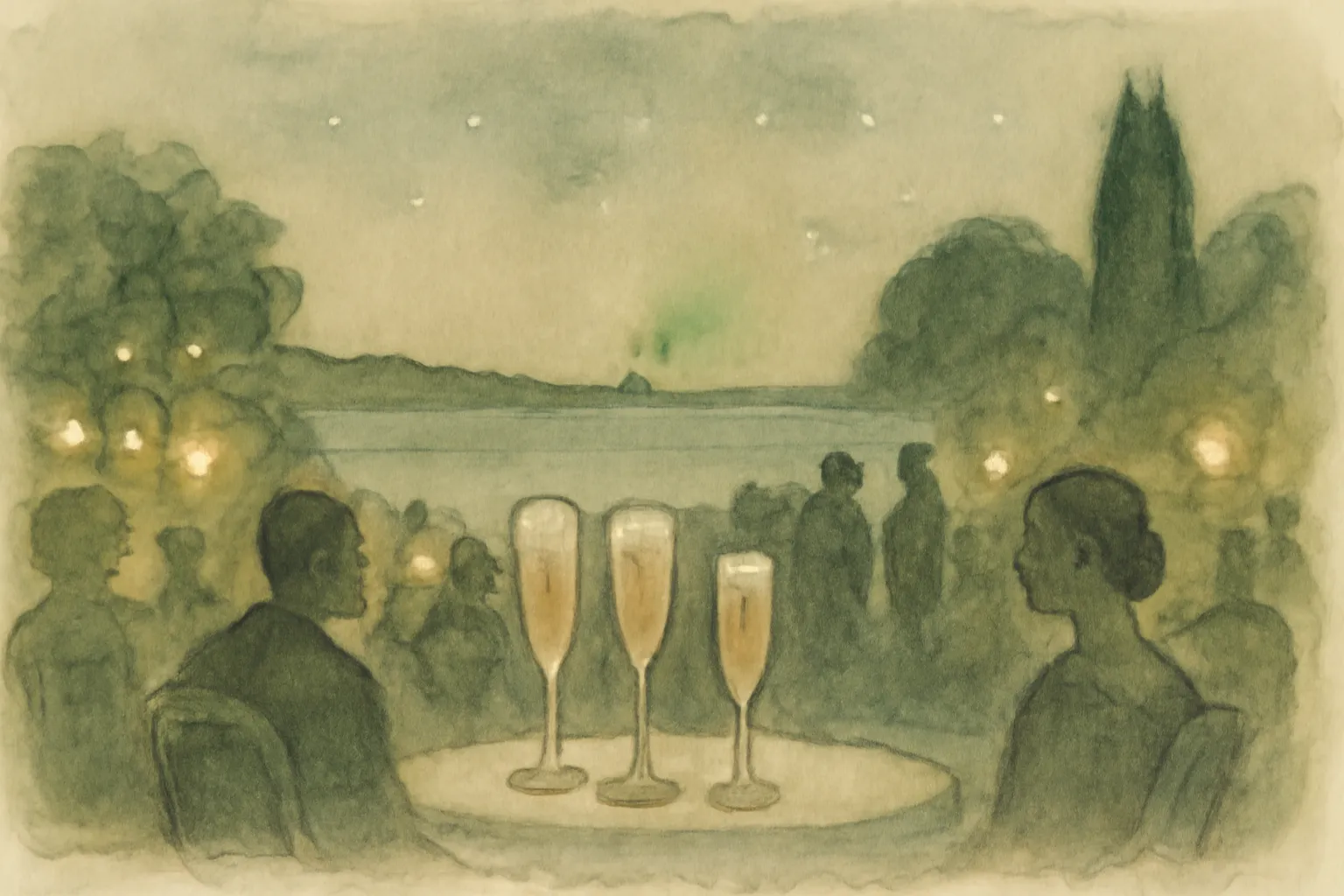
At its core, The Great Gatsby interrogates the myth of the American Dream—the idea that anyone, regardless of origins, can achieve success and happiness through hard work. Jay Gatsby’s rise from poverty to immense wealth seems to embody this promise, but his fortune is built on dubious means, and his pursuit of Daisy (his vision of happiness) is ultimately unattainable. Fitzgerald suggests that the dream is corrupted by materialism and social barriers, exposing the gap between aspiration and reality.
Gatsby is a self-made man, having reinvented himself from James Gatz into the enigmatic, wealthy host of West Egg. His transformation is both admirable and tragic: while he achieves outward success, he cannot escape his past or truly enter the world of old money. The novel explores how identity can be constructed, but also how it is constrained by class, history, and the perceptions of others.
“So we beat on, boats against the current, borne back ceaselessly into the past.”
“Gatsby believed in the green light, the orgastic future that year by year recedes before us.”
“I hope she'll be a fool—that's the best thing a girl can be in this world, a beautiful little fool.”
“They're a rotten crowd...You're worth the whole damn bunch put together.”
“Can't repeat the past? Why of course you can!”