1.The Illusion of the American Dream
At its core, The Great Gatsby interrogates the myth of the American Dream—the idea that anyone, regardless of origins, can achieve success and happiness through hard work. Jay Gatsby’s rise from poverty to immense wealth seems to embody this promise, but his fortune is built on dubious means, and his pursuit of Daisy (his vision of happiness) is ultimately unattainable. Fitzgerald suggests that the dream is corrupted by materialism and social barriers, exposing the gap between aspiration and reality.
2.The Power and Limits of Reinvention
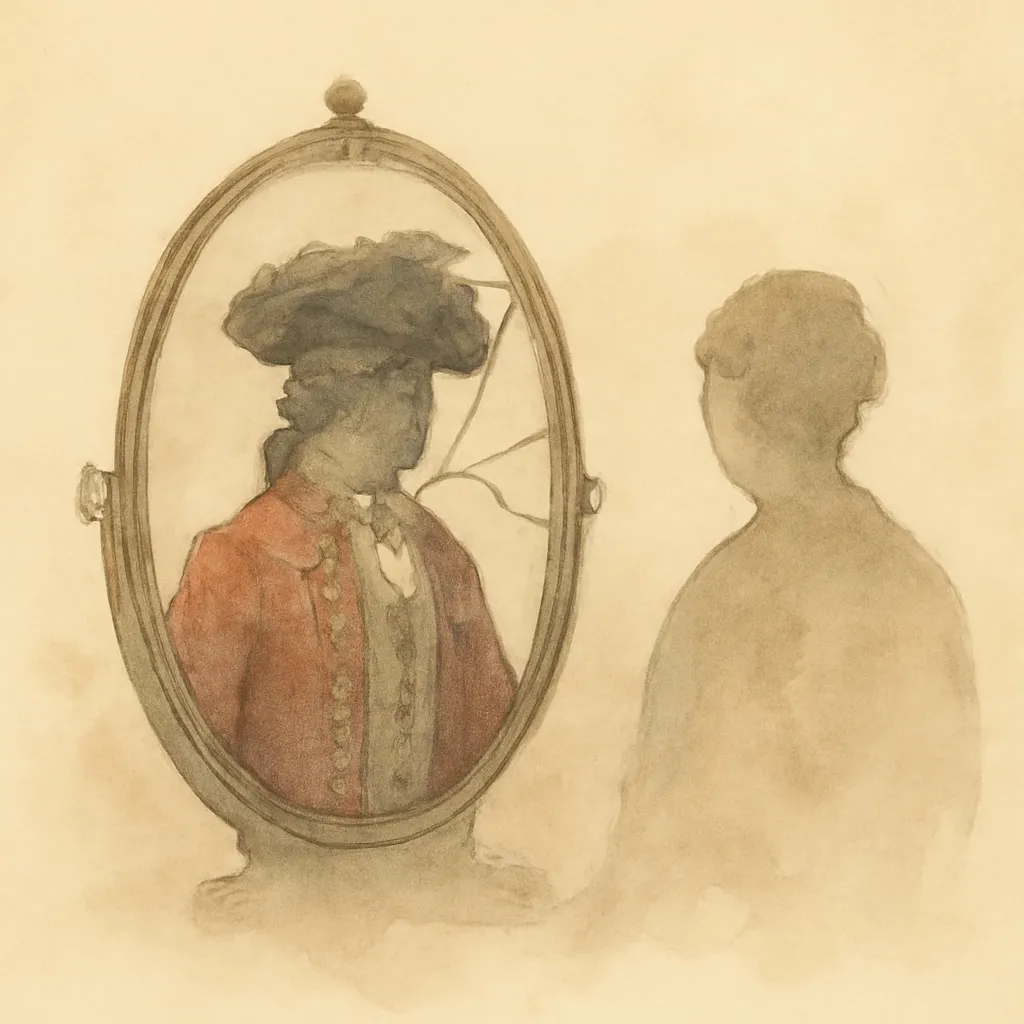
Gatsby is a self-made man, having reinvented himself from James Gatz into the enigmatic, wealthy host of West Egg. His transformation is both admirable and tragic: while he achieves outward success, he cannot escape his past or truly enter the world of old money. The novel explores how identity can be constructed, but also how it is constrained by class, history, and the perceptions of others.
3.Obsession, Love, and Idealization
Gatsby’s love for Daisy is the engine of the plot, but it’s less about Daisy herself than about what she represents: a lost time, perfection, and fulfillment. His obsession blinds him to reality and ultimately leads to his downfall. Fitzgerald uses this doomed romance to explore how we project our desires onto others, and how clinging to illusions can be destructive.
4.Moral Decay Behind the Glitter
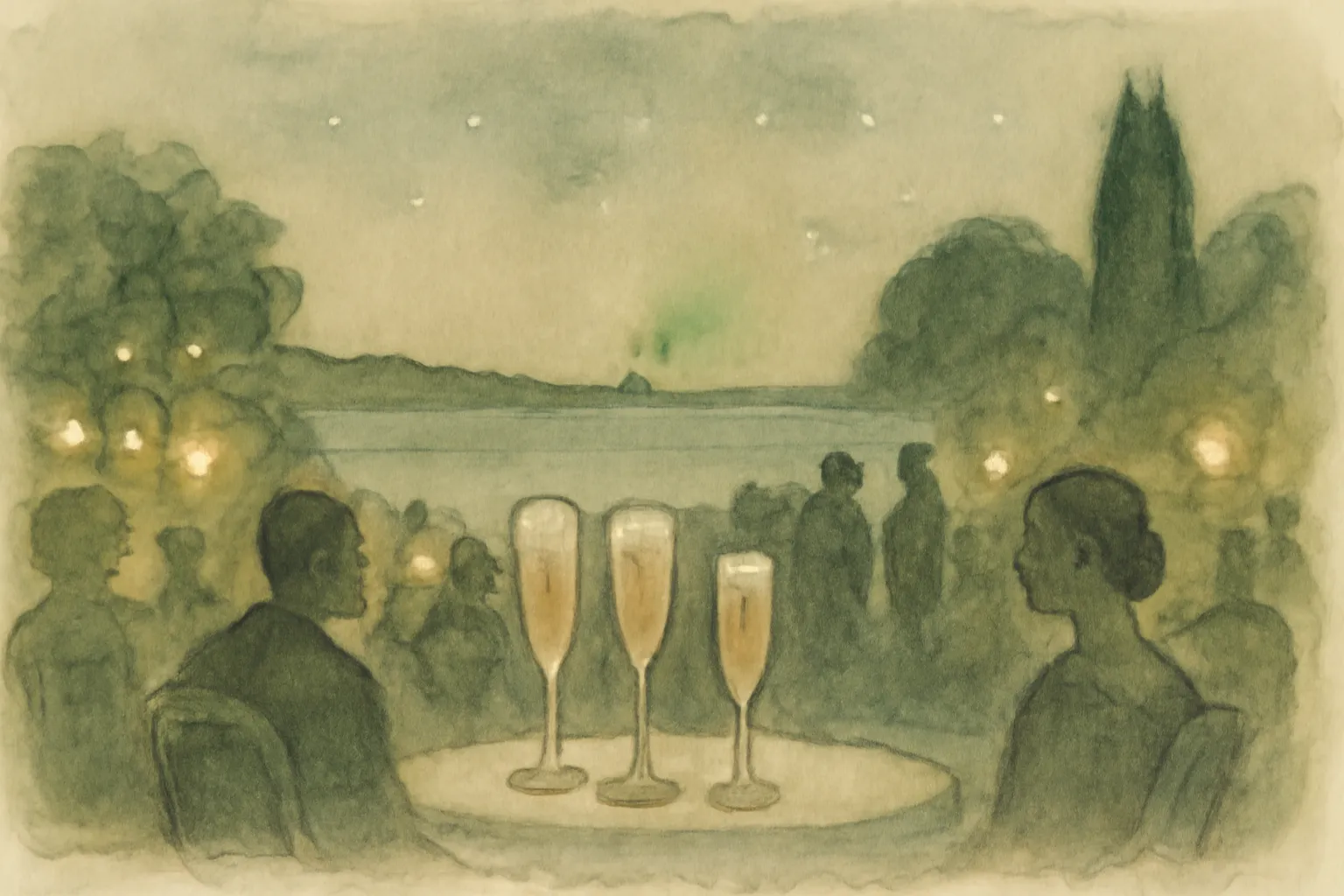
Beneath the glamour of Gatsby’s parties and the allure of the Jazz Age, the novel reveals a world of carelessness, dishonesty, and moral emptiness. Characters like Tom and Daisy Buchanan embody privilege without responsibility, leaving chaos in their wake. Fitzgerald’s sharp social critique exposes the rot beneath the surface of prosperity.
5.The Role of the Narrator and Perspective
Nick Carraway, the narrator, is both participant and observer, offering a lens colored by admiration, skepticism, and his own moral struggle. His perspective shapes our understanding of Gatsby and the other characters, raising questions about truth, reliability, and the nature of storytelling itself.
6.Time, Memory, and the Irrecoverable Past
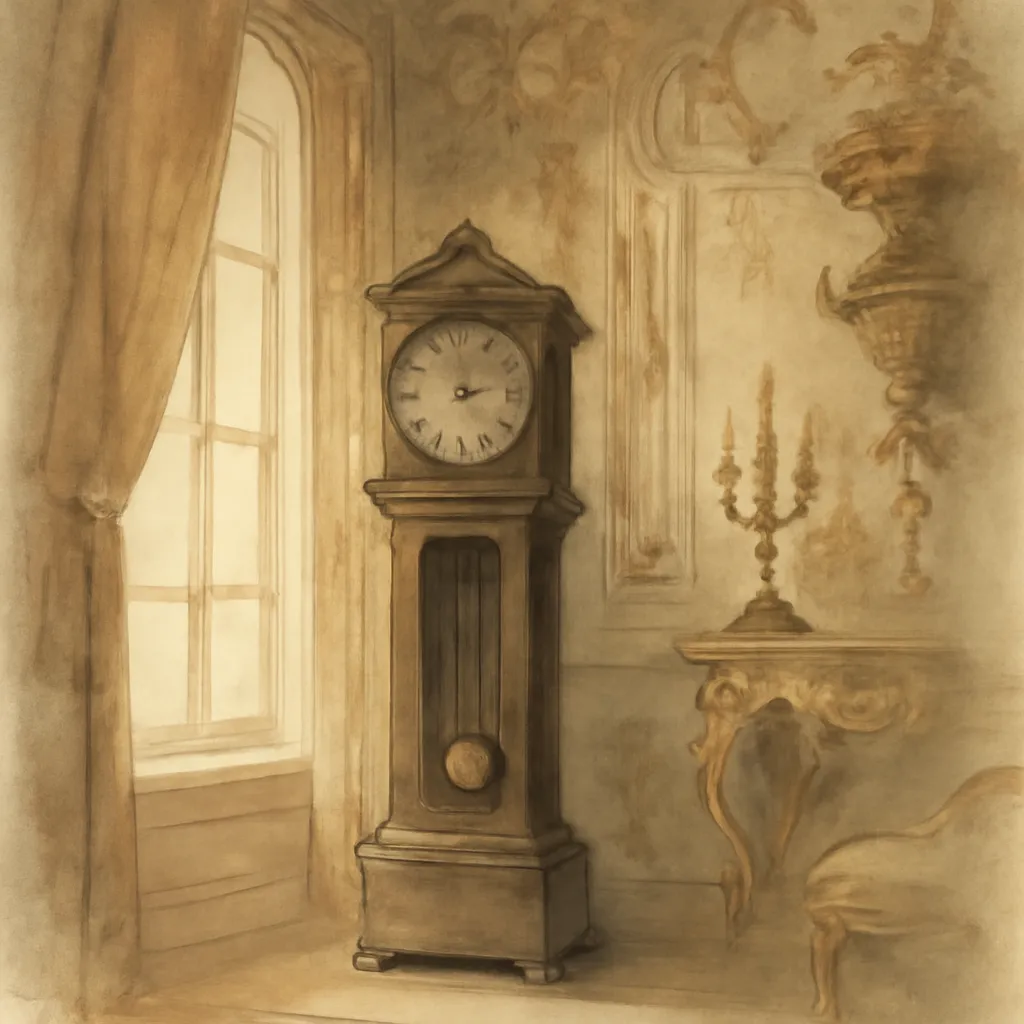
Gatsby’s longing to recreate the past with Daisy is a central motif. The novel meditates on the passage of time, the persistence of memory, and the impossibility of recapturing what is lost. Fitzgerald suggests that the past shapes and haunts us, no matter how fervently we try to move forward.