

Haunted houses · Fiction · Large type books
The Haunting of Hill House by Shirley Jackson — Summary, Key Ideas & Quotes
1959246 pages✦ 3-min Big ideas★ 4.0 (77)
Rate it
First published in 1959, Shirley Jackson's The Haunting of Hill House has been hailed as a perfect work of unnerving terror. It is the story of four seekers who arrive at a notoriously unfriendly pile called Hill House: Dr. Montague, an occult scholar looking for solid evidence of a "haunting"; Theodora, his lighthearted assistant; Eleanor, a friendless, fragile young woman well acquainted with poltergeists; and Luke, the future heir of Hill House. At first, their stay seems destined to be merely a spooky encounter with inexplicable phenomena. But Hill House is gathering its powers— and soon, it will choose one of them to make its own.
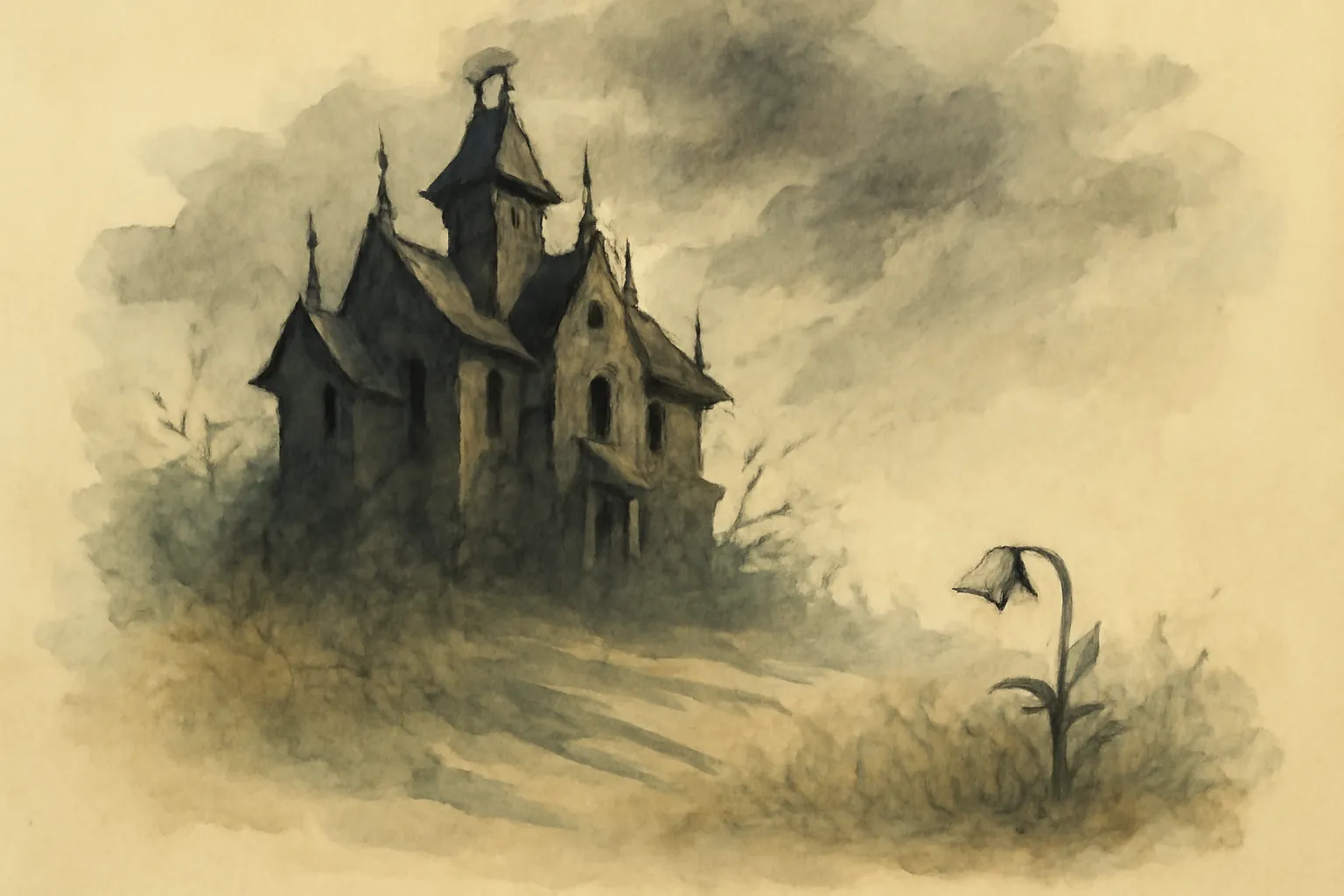
Jackson masterfully blurs the line between external haunting and internal psychological disturbance. The novel never fully confirms whether Hill House is truly possessed by supernatural forces or if the terror is a projection of Eleanor’s fragile mind. This ambiguity keeps readers questioning the nature of evil and the reliability of perception, making the horror more intimate and unsettling.
Eleanor Vance, the protagonist, is defined by her profound loneliness and longing for belonging. Hill House becomes both a refuge and a trap for her, mirroring her internal state. The novel uses her vulnerability to explore how isolation can make someone susceptible to manipulation—by people, places, or even their own fears.
“No live organism can continue for long to exist sanely under conditions of absolute reality.”
“Hill House, not sane, stood by itself against its hills, holding darkness within.”
“Silence lay steadily against the wood and stone of Hill House, and whatever walked there, walked alone.”