1.Ambiguity of the Supernatural
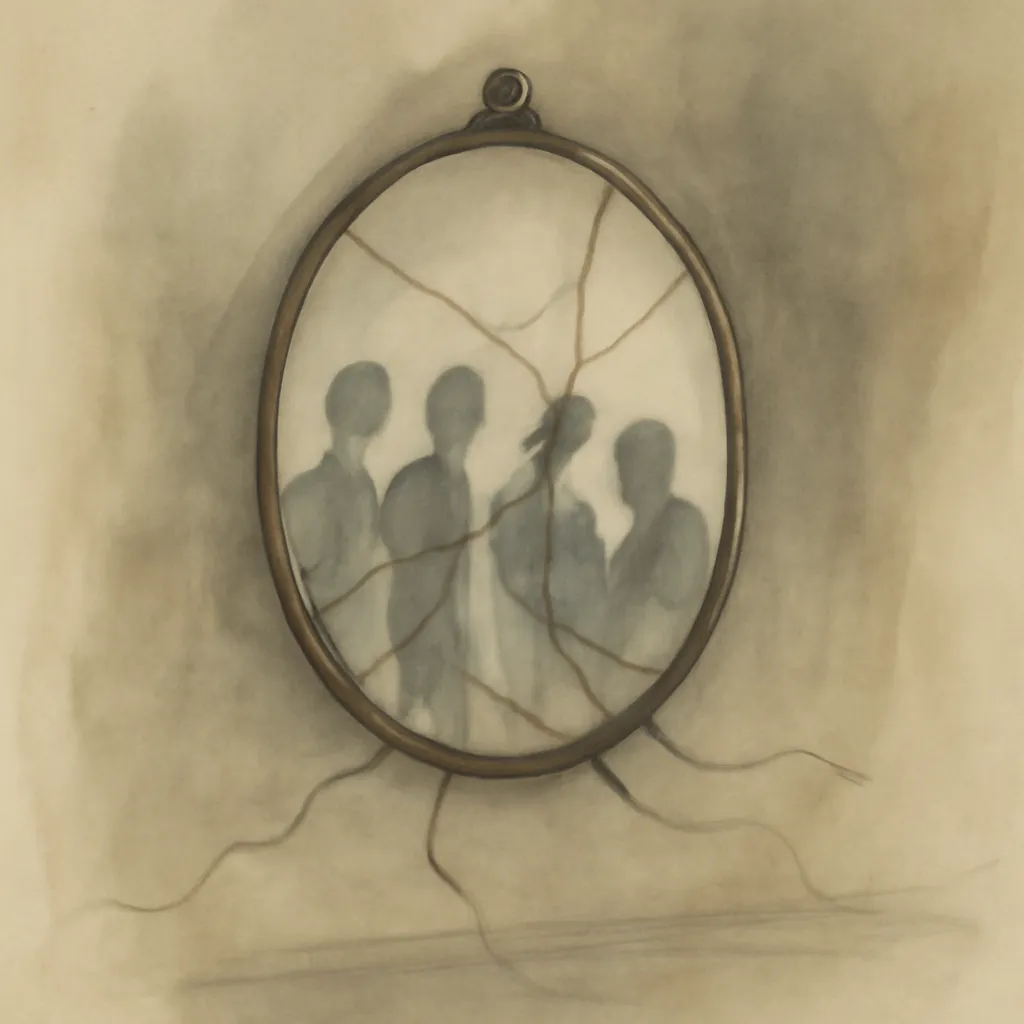
Jackson masterfully blurs the line between external haunting and internal psychological disturbance. The novel never fully confirms whether Hill House is truly possessed by supernatural forces or if the terror is a projection of Eleanor’s fragile mind. This ambiguity keeps readers questioning the nature of evil and the reliability of perception, making the horror more intimate and unsettling.
2.Isolation and Vulnerability
Eleanor Vance, the protagonist, is defined by her profound loneliness and longing for belonging. Hill House becomes both a refuge and a trap for her, mirroring her internal state. The novel uses her vulnerability to explore how isolation can make someone susceptible to manipulation—by people, places, or even their own fears.
3.The House as a Character
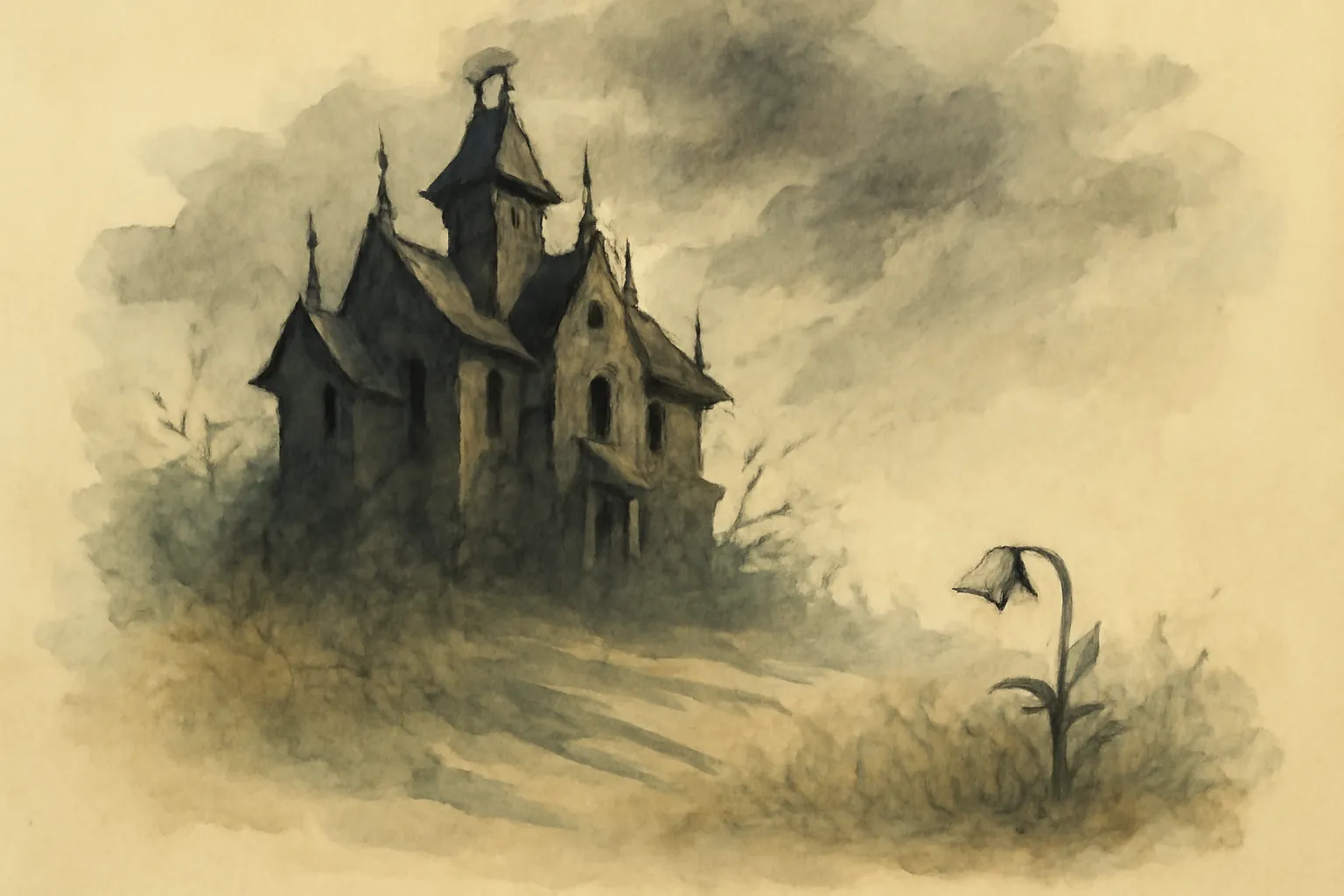
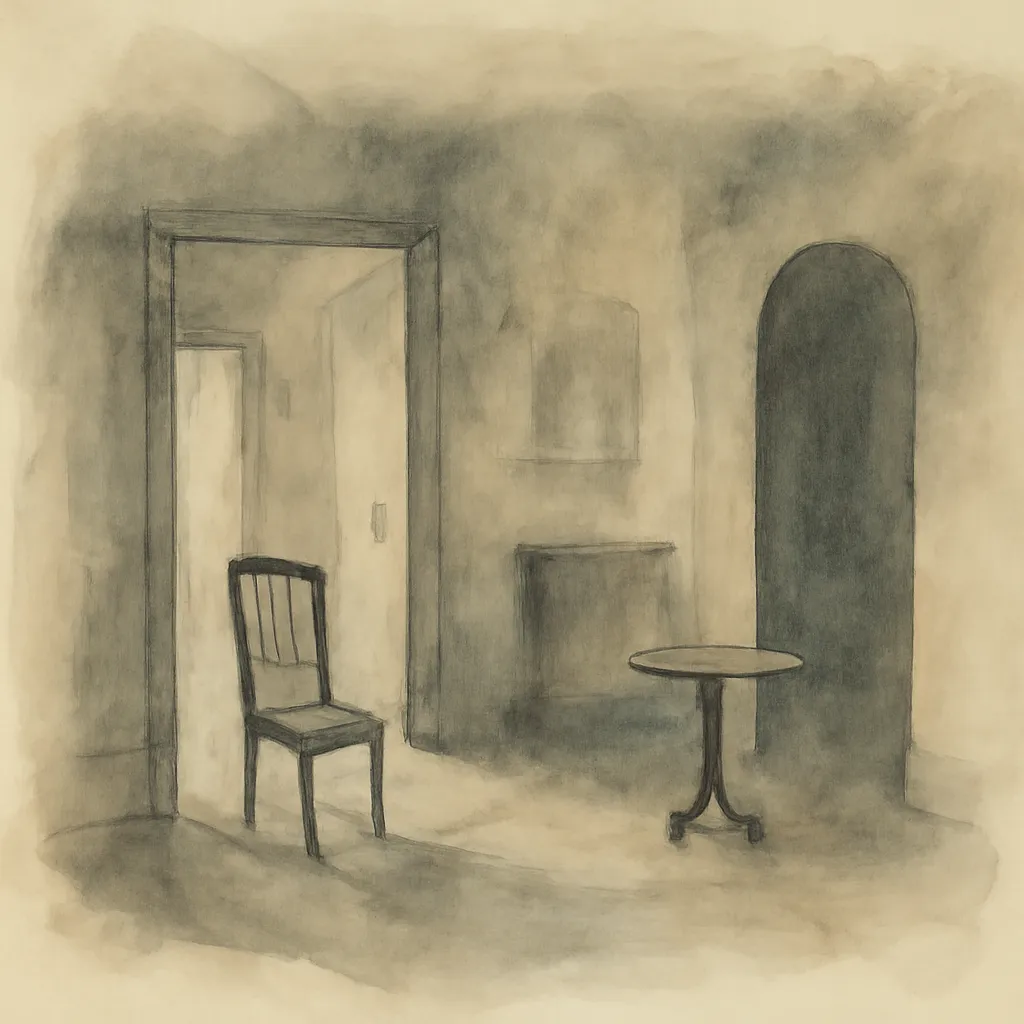
Hill House is not just a setting but an active, malevolent presence. Jackson’s descriptions give the house personality and intent, making it a participant in the story’s events. The architecture is deliberately off-kilter, contributing to a sense of unease and reinforcing the idea that the environment itself can shape human experience.
4.Group Dynamics and Power
The relationships among the four main characters—Eleanor, Theodora, Luke, and Dr. Montague—are fraught with tension, rivalry, and shifting alliances. Jackson uses their interactions to explore how fear and uncertainty can erode trust and amplify personal insecurities, turning the group’s quest into a psychological battleground.
5.The Unreliable Narrator
Eleanor’s perspective dominates the novel, but her perceptions are often questionable. Her emotional instability and desire for acceptance color her experiences, raising doubts about what is real. This use of an unreliable narrator heightens the suspense and immerses readers in the uncertainty that defines the book.
6.The Nature of Evil
Rather than relying on overt violence or gore, Jackson explores evil as something pervasive but elusive. The horror in Hill House is subtle, psychological, and existential, suggesting that true evil may reside within us as much as in the world around us.