
The Iliad reveals the tragic consequences of pride and the brutal realities of war through the lens of legendary heroes and divine machinations
Read full overviewShow less›
Homer's 'The Iliad' is a timeless epic that explores the themes of honor, rage, and the human condition against the backdrop of the Trojan War. It delves into the complex relationships between gods and men, showcasing how divine intervention shapes human fate while highlighting the personal struggles of its characters. Readers will witness the wrath of Achilles, the nobility of Hector, and the consequences of pride and vengeance, all of which resonate through time as reflections of our own conflicts and desires. This summary distills the essence of the epic, offering insight into its key themes, characters, and the impact of war on both individual and collective levels. By understanding these elements, readers gain a deeper appreciation for the narrative's enduring power and relevance in contemporary discussions about honor, sacrifice, and the nature of humanity.
Homer's 'The Iliad' serves as a profound exploration of the human experience, intertwining themes of honor, rage, and mortality within the context of war. It challenges readers to confront the complexities of human relationships and the consequences of individual actions on a larger scale. Through its rich characterizations and vivid depictions of battle, the epic remains relevant in its examination of the nature of pride, vengeance, and the search for meaning in times of conflict. Ultimately, 'The Iliad' is not just a tale of war, but a reflection on the enduring struggles of humanity, inviting readers to ponder the legacies we leave behind and the stories that define us.
- 1The Wrath of Achilles
- 2Divine Intervention and Fate
- 3The Complexity of Honor
- 4The Tragedy of War
- 5The Role of Women
Notable quotes
“Sing, O goddess, the anger of Achilles son of Peleus, that brought countless ills upon the Achaeans.”
“Old man, said he, let me not find you tarrying about our ships, nor yet coming hereafter.”
“You are sleeping, son of Atreus; one who has the welfare of his host and so much other care upon his shoulders should dock his sleep.”
A glimpse inside

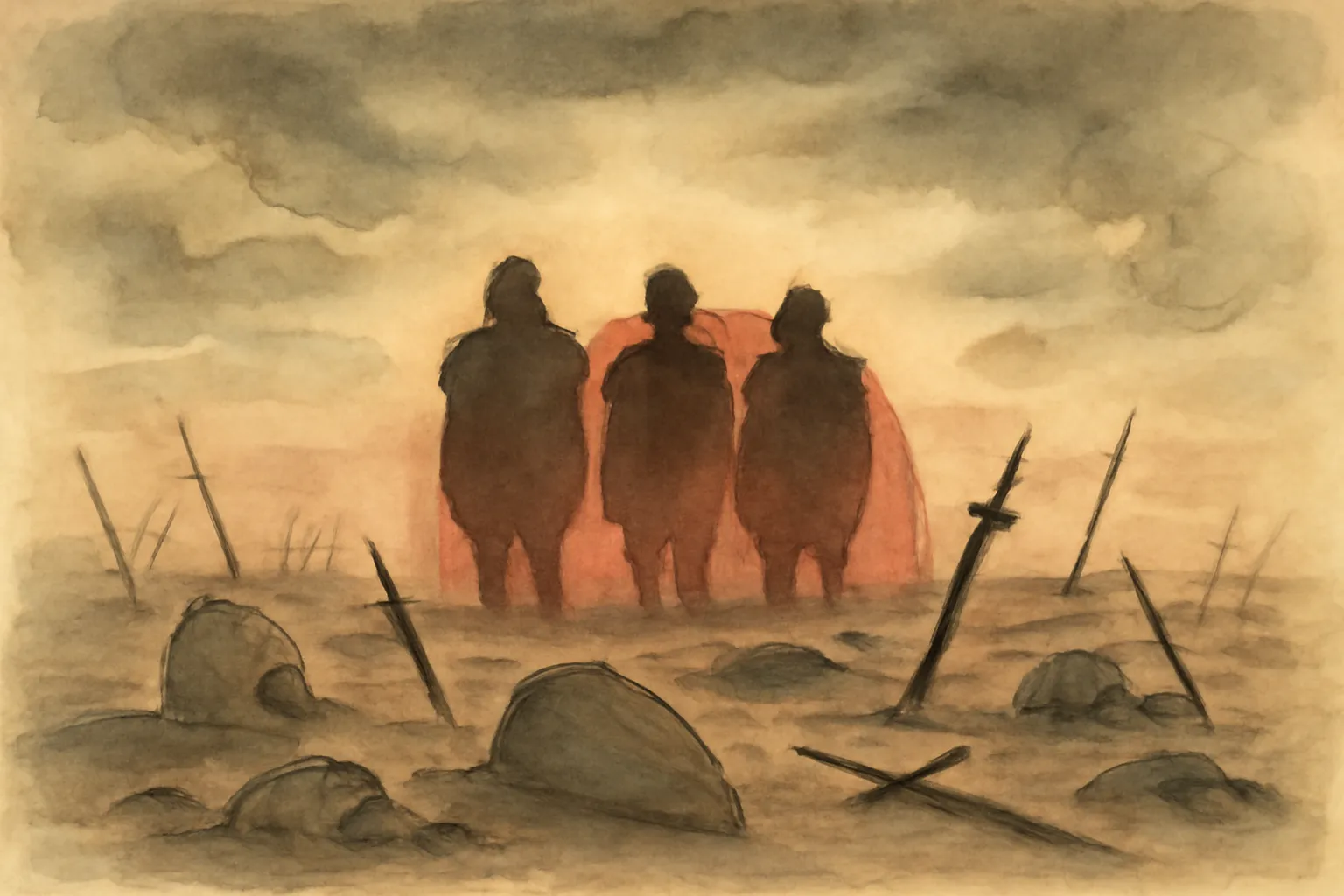
The epic begins with the anger of Achilles, the greatest warrior of the Achaeans, sparked by a personal slight from Agamemnon, the leader of the Greek forces. Read moreThe epic begins with the anger of Achilles, the greatest warrior of the Achaeans, sparked by a personal slight from Agamemnon, the leader of the Greek forces. This quarrel sets off a chain of events that lead to immense suffering and loss for both sides. Achilles' pride prevents him from fighting for the Achaeans, causing his comrades to face dire consequences in battle. His withdrawal from the fight illustrates how personal grievances can have far-reaching effects in a communal context, emphasizing the theme that individual emotions can dictate the course of events in larger conflicts. The opening lines of the poem encapsulate this theme, as they call upon the goddess to sing of Achilles' anger, which brought countless ills upon the Achaeans. This sets the stage for an exploration of how personal honor and pride can lead to collective tragedy. Homer's portrayal of Achilles not only highlights his might on the battlefield but also his deep vulnerability; his anger is not merely a personal flaw but a tragic element of his character that propels the narrative forward. Show less
Throughout 'The Iliad', the gods play a crucial role in the lives of the characters, often intervening in human affairs to fulfill their own agendas. Read moreThroughout 'The Iliad', the gods play a crucial role in the lives of the characters, often intervening in human affairs to fulfill their own agendas. Jove (Zeus) orchestrates events from Olympus, while other deities such as Juno and Minerva have their own loyalties and motives. This divine interference highlights the theme of fate versus free will, as characters like Achilles and Hector navigate their destinies under the watchful eyes of the gods. For instance, Jove's decision to send a lying dream to Agamemnon propels the Greeks into battle, demonstrating how the whims of the divine can alter the course of human events. The gods' involvement raises questions about accountability and the nature of justice within the epic, as characters must grapple with their actions in light of divine will. The constant tug-of-war between divine influence and human agency illustrates a central conflict of the narrative; characters strive to assert their will even as they are swept along by the currents of fate, causing readers to reflect on the nature of destiny itself. Show less
Read the full text — free
About the author
Homer has 3 works free to read on Lumina, including The Iliad, The Odyssey
All 3 books by Homer →