1.The Wrath of Achilles
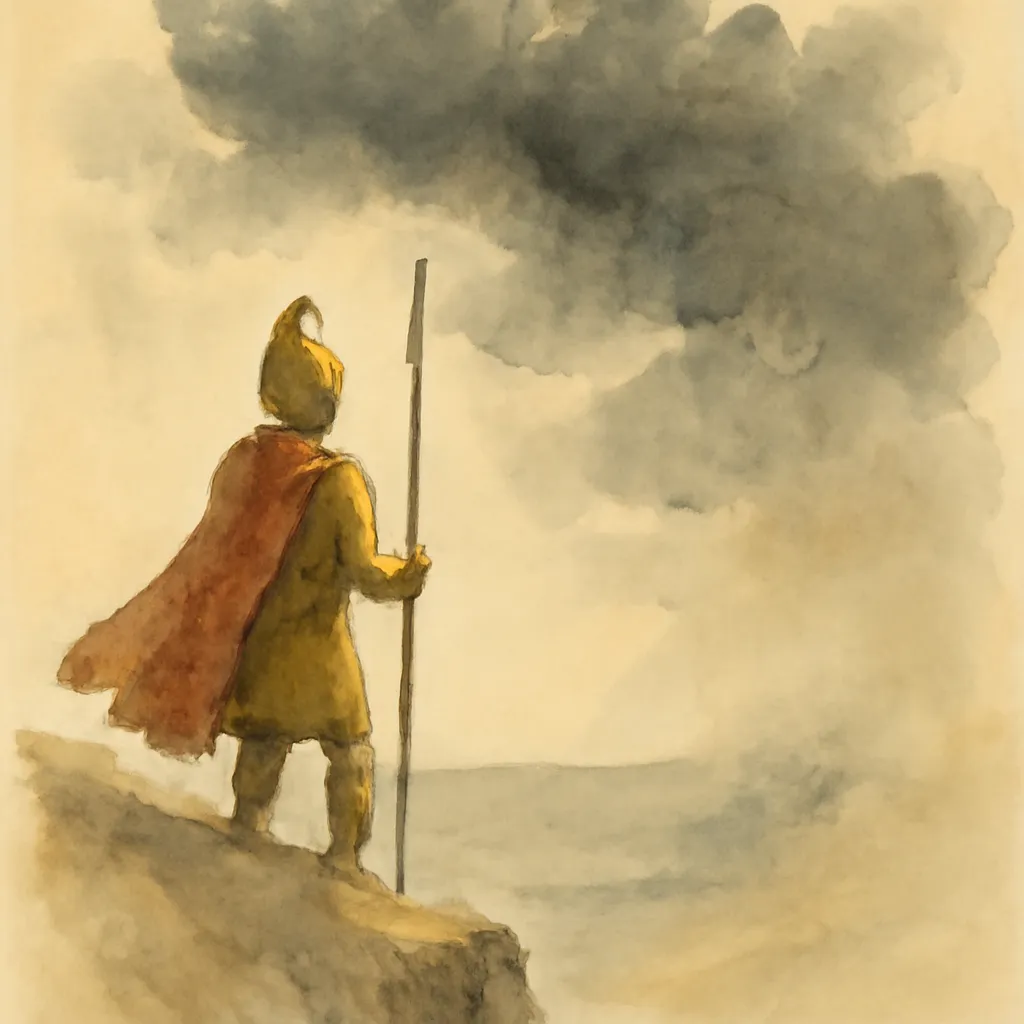
The epic begins with the anger of Achilles, the greatest warrior of the Achaeans, sparked by a personal slight from Agamemnon, the leader of the Greek forces. This quarrel sets off a chain of events that lead to immense suffering and loss for both sides. Achilles' pride prevents him from fighting for the Achaeans, causing his comrades to face dire consequences in battle. His withdrawal from the fight illustrates how personal grievances can have far-reaching effects in a communal context, emphasizing the theme that individual emotions can dictate the course of events in larger conflicts. The opening lines of the poem encapsulate this theme, as they call upon the goddess to sing of Achilles' anger, which brought countless ills upon the Achaeans. This sets the stage for an exploration of how personal honor and pride can lead to collective tragedy. Homer's portrayal of Achilles not only highlights his might on the battlefield but also his deep vulnerability; his anger is not merely a personal flaw but a tragic element of his character that propels the narrative forward.
2.Divine Intervention and Fate
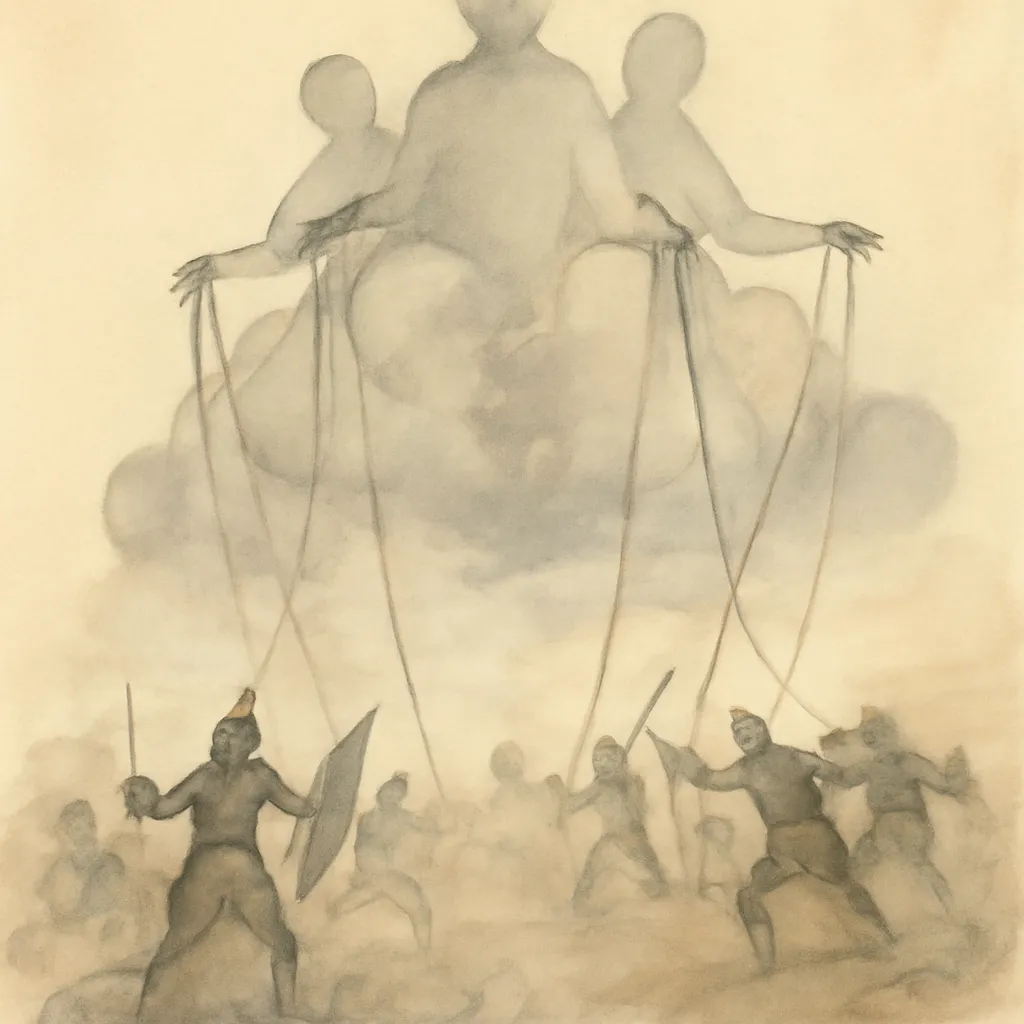
Throughout 'The Iliad', the gods play a crucial role in the lives of the characters, often intervening in human affairs to fulfill their own agendas. Jove (Zeus) orchestrates events from Olympus, while other deities such as Juno and Minerva have their own loyalties and motives. This divine interference highlights the theme of fate versus free will, as characters like Achilles and Hector navigate their destinies under the watchful eyes of the gods. For instance, Jove's decision to send a lying dream to Agamemnon propels the Greeks into battle, demonstrating how the whims of the divine can alter the course of human events. The gods' involvement raises questions about accountability and the nature of justice within the epic, as characters must grapple with their actions in light of divine will. The constant tug-of-war between divine influence and human agency illustrates a central conflict of the narrative; characters strive to assert their will even as they are swept along by the currents of fate, causing readers to reflect on the nature of destiny itself.
3.The Complexity of Honor
Honor is a central theme in 'The Iliad', dictating the actions and motivations of its characters. The concept of honor is tied closely to reputation and social standing, particularly for warriors like Achilles and Hector. Achilles' refusal to fight stems from his belief that Agamemnon has dishonored him by taking Briseis, a captive woman he has claimed as a prize. This personal affront leads to a broader examination of what it means to be honorable in the context of war. Hector, on the other hand, embodies a different aspect of honor, fighting to protect his city and family despite knowing the odds are against him. His noble character is contrasted with Achilles' prideful rage, illustrating the multifaceted nature of honor and the sacrifices made in its pursuit. The dichotomy between personal honor and collective responsibility creates tension throughout the narrative, and this tension is not only a driving force for the characters but also serves as a critical reflection on the values of the society depicted in the epic. Homer's exploration of honor reveals the potential for both glory and despair, depending on how one's actions align with the values of their community.
4.The Tragedy of War
Homer does not shy away from depicting the brutal realities of war, emphasizing its tragic consequences for both victors and vanquished. The battle scenes are filled with vivid imagery of violence, death, and suffering, showcasing the indiscriminate nature of war's destruction. Characters such as Diomed and Menelaus exemplify the heroism often celebrated in war, yet they are also shown grappling with the fear and pain that accompany battle. The deaths of noble warriors highlight the futility of the conflict, as their valor leads to tragic ends. The narrative forces readers to confront the stark realities of warfare, challenging romanticized notions of heroism by presenting the loss of life and the emotional toll it takes on individuals and families. The epic serves as a poignant reminder of the cost of conflict, making it a timeless reflection on the human experience of war. Through the juxtaposition of heroism and the consequences of violence, Homer invites readers to critically examine the glorification of war while acknowledging the deep scars it leaves on society.
5.The Role of Women

Women in 'The Iliad' occupy complex roles that reflect both agency and victimhood within the patriarchal society of ancient Greece. Figures such as Helen, Briseis, and Andromache illustrate the limited power women hold, often becoming pawns in the struggles of men. Helen's beauty is the catalyst for the war, while Briseis' abduction symbolizes the loss of honor and agency for Achilles. Andromache's tragic fate as Hector's wife underscores the personal cost of war, as she faces the potential loss of her husband and the future of her family. Despite their limited roles, these women exhibit resilience and emotional depth, challenging the notion that they are merely passive figures. Through their experiences, Homer invites readers to consider the broader implications of gender dynamics in the context of conflict and power. The women of 'The Iliad' serve as reminders of the human cost of war beyond the battlefield, highlighting the emotional and social repercussions that extend to families and communities. Their stories add depth to the narrative, emphasizing that the impacts of war are felt not only through the actions of male warriors but also through the lives and struggles of women left in the wake of conflict.
6.Friendship and Loyalty

The bonds of friendship and loyalty are central to the narrative, particularly through the relationship between Achilles and Patroclus. Their deep friendship is marked by mutual respect and affection, which is poignantly highlighted when Patroclus dons Achilles' armor to fight in his stead. This act of loyalty ultimately leads to Patroclus' death, igniting Achilles' fury and desire for revenge against Hector. The tragedy of their relationship emphasizes the theme of loss, as Achilles' grief over Patroclus' death transforms his character and propels him back into battle. The exploration of friendship in the face of war raises questions about the sacrifices individuals make for those they love and the impact of such bonds on their actions. Homer presents friendship as a powerful force that can inspire heroism, yet also lead to devastating consequences. This theme is intricately woven into the narrative, serving as a counterpoint to the conflict and a reflection of the emotional stakes involved in the broader struggle between the Achaeans and Trojans. Through the lens of friendship, 'The Iliad' underscores the importance of solidarity and loyalty in times of crisis, illustrating how these ties can shape destinies and influence the course of events.
7.The Nature of Heroism
Heroism in 'The Iliad' is portrayed as a double-edged sword, where the qualities that define a hero can also lead to their downfall. Achilles, celebrated for his strength and bravery, is ultimately undone by his pride and desire for revenge. Hector, revered for his courage and commitment to his family, faces a tragic fate despite his noble intentions. Homer complicates the notion of heroism by presenting characters who embody both admirable and flawed traits, suggesting that true heroism may lie in the balance of strength and humility. The epic challenges readers to reconsider traditional definitions of heroism, exploring the complexities of human nature and the consequences of individual choices. Through the fates of its characters, 'The Iliad' illustrates that heroism is often intertwined with mortality and vulnerability. Rather than presenting a simple binary of hero versus villain, Homer enriches the narrative by showcasing the intricacies of human behavior and the moral ambiguities that define true courage. The heroes of 'The Iliad' are not just warriors; they are deeply human figures who grapple with their emotions, motivations, and the consequences of their actions.
8.The Cycle of Revenge

The theme of revenge permeates 'The Iliad', driving the actions of its characters and perpetuating the cycle of violence. Achilles' quest for vengeance against Hector after Patroclus' death exemplifies how personal grievances can fuel larger conflicts. This cycle is mirrored in the broader context of the Trojan War, where each act of retribution leads to further bloodshed. The narrative illustrates the destructive nature of revenge, as characters are consumed by their desires for retribution, often at the cost of their humanity. Hector's death, while avenged, does not bring peace to Achilles; instead, it deepens his sorrow and isolation. Homer's exploration of revenge serves as a cautionary tale about the consequences of allowing anger and resentment to dictate one's actions, urging readers to reflect on the futility of vengeance. The repeated cycles of violence and retaliation among the characters highlight a grim reality of human relationships, suggesting that the desire for revenge can overshadow compassion and lead to irreversible consequences. This theme resonates strongly throughout the narrative, as it poses significant questions about justice, morality, and the impact of our choices on future generations.
9.Mortality and Legacy

Mortality is a pervasive theme in 'The Iliad', as characters grapple with their fates and the desire for eternal glory. The epic opens with the notion that many brave souls will perish in the war, highlighting the inevitability of death. Achilles, who seeks to achieve everlasting fame through his deeds, embodies this struggle between the desire for glory and the reality of mortality. His eventual choice to return to battle after Patroclus' death reflects a recognition of the fleeting nature of life and the importance of legacy. Hector, too, is driven by the desire to protect his family and secure his place in history, yet he ultimately meets a tragic end. Through its characters' reflections on mortality, 'The Iliad' prompts readers to consider the significance of legacy and the impact of one's actions on future generations, reinforcing the idea that while life is transient, the stories we leave behind can endure. The desire to be remembered serves as a powerful motivator for the heroes, driving them to perform great feats in the face of certain death. This exploration of mortality not only adds depth to the characters but also positions their struggles and triumphs within the broader context of human existence.