

Fortune-tellers · Families · Brothers and sisters
The Immortalists by Chloe Benjamin — Summary, Key Ideas & Quotes
2018416 pages✦ 3-min Big ideas★ 3.6 (12)
Rate it
It's 1969 in New York City's Lower East Side, and word has spread of the arrival of a mystical woman, a traveling psychic who claims to be able to tell anyone the day they will die. The Gold children -- four adolescents on the cusp of self-awareness -- sneak out to hear their fortunes. Their prophecies inform their next five decades. Golden-boy Simon escapes to the West Coast, searching for love in '80s San Francisco. Dreamy Klara becomes a Las Vegas magician, obsessed with blurring reality and fantasy. Eldest son Daniel seeks security as an army doctor post-9/11, hoping to control fate. Bookish Varya throws herself into longevity research, where she tests the boundary between science and immortality. The Immortalists probes the line between destiny and choice, reality and illusion, this world and the next. It is a deeply moving testament to the power of story, the nature of belief, and the unrelenting pull of familial bonds.
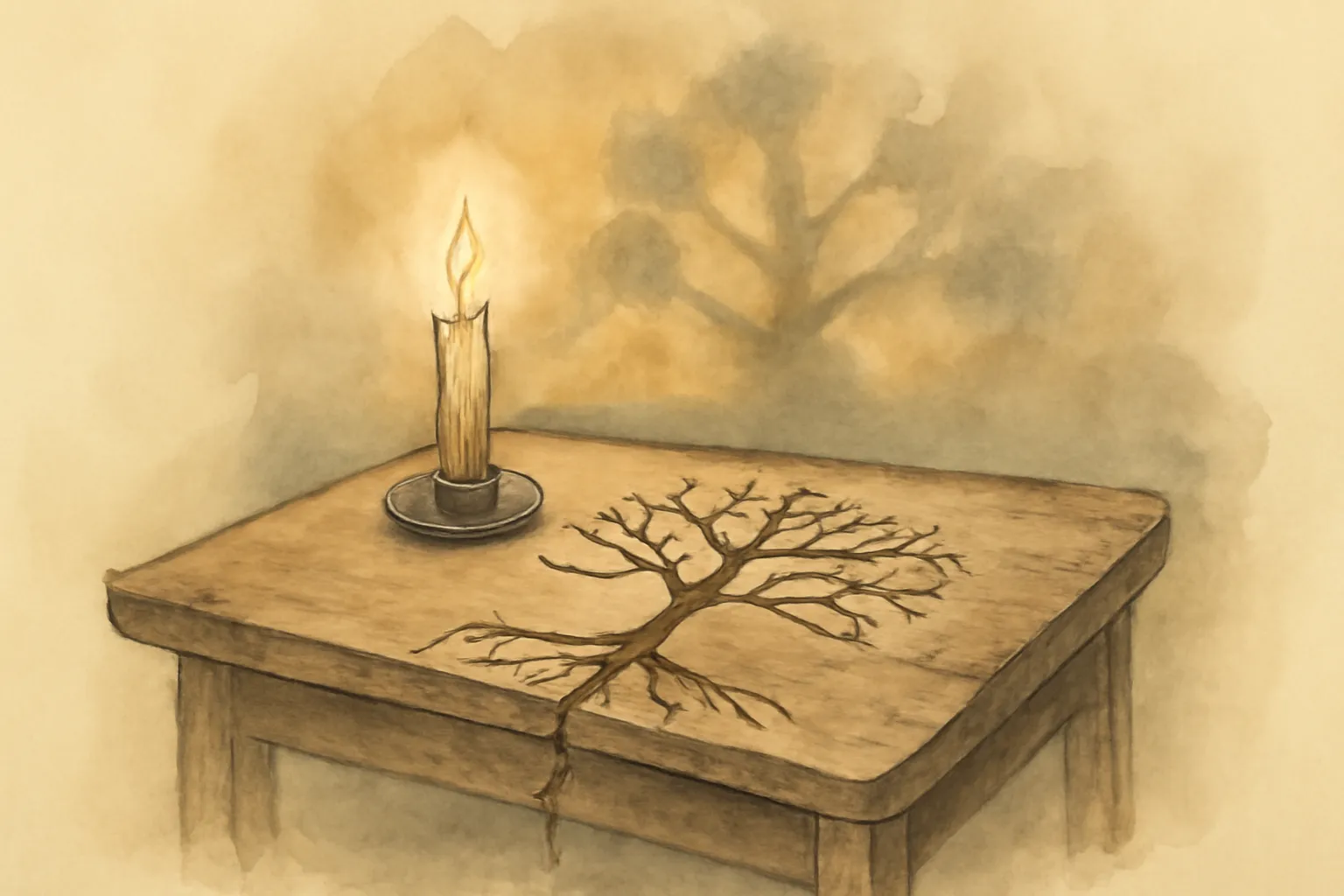
At the heart of The Immortalists lies the psychic's prediction: the supposed date of each sibling's death. Rather than offering clarity, this knowledge becomes a double-edged sword. For some, it spurs risk-taking and self-discovery; for others, it breeds anxiety and self-fulfilling doom. The novel interrogates whether fate is fixed or shaped by our responses to it, challenging the reader to consider how belief itself can become a force that shapes reality.
Benjamin masterfully explores the tension between determinism and agency. Each sibling's life unfolds in the shadow of their prophecy, but their choices—whether to rebel, conform, or ignore—demonstrate the complexity of human freedom. The book asks: do we live differently when we think our end is set, or is the act of believing in fate itself what limits us?
“Magic is only one tool among many for keeping one another alive.”
“Most adults claim not to believe in magic, but Klara knows better. Why else would anyone play at permanence—fall in love, have children, buy a house—in the face of all evidence there’s no such thing?”