1.The Power—and Burden—of Prophecy
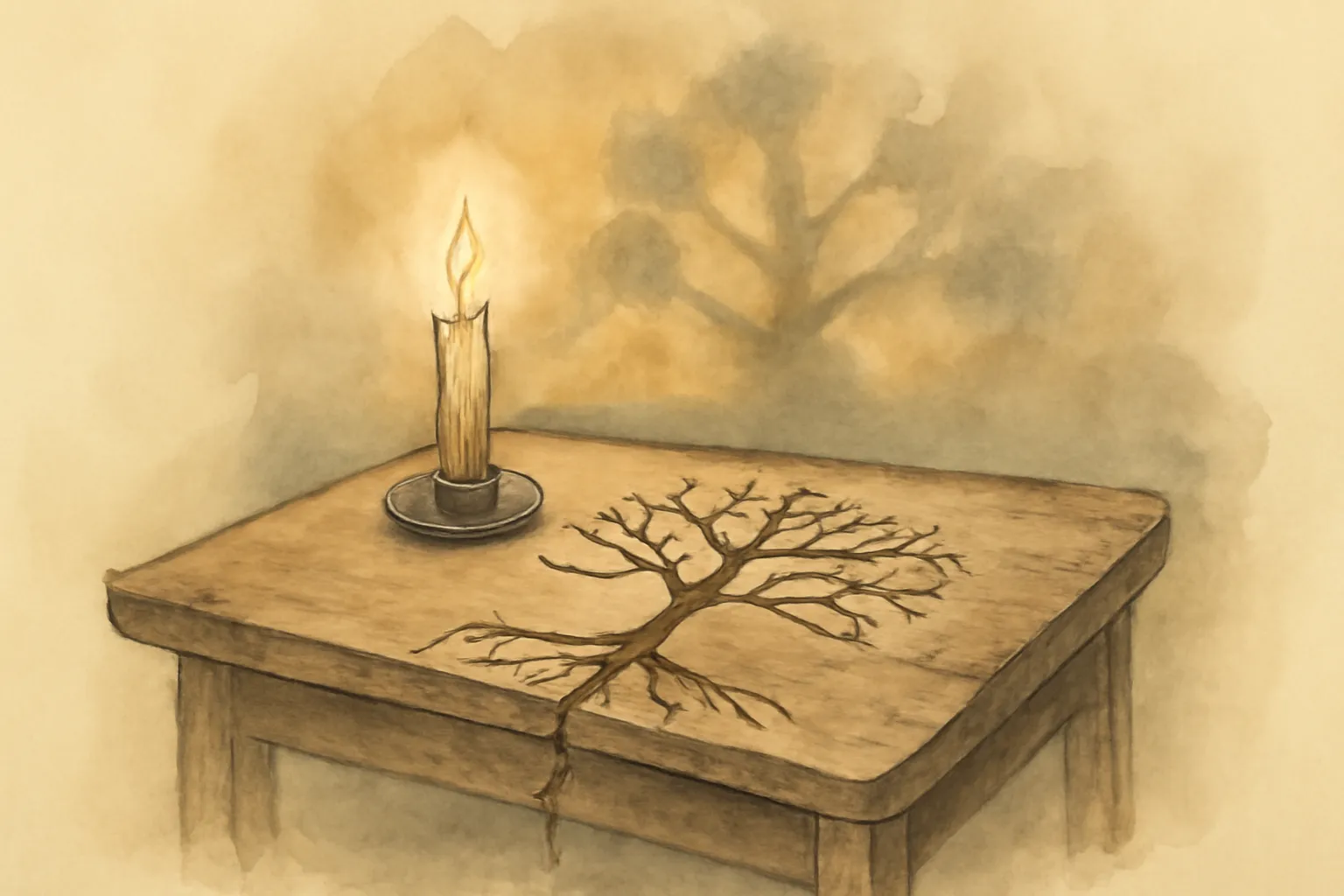
At the heart of The Immortalists lies the psychic's prediction: the supposed date of each sibling's death. Rather than offering clarity, this knowledge becomes a double-edged sword. For some, it spurs risk-taking and self-discovery; for others, it breeds anxiety and self-fulfilling doom. The novel interrogates whether fate is fixed or shaped by our responses to it, challenging the reader to consider how belief itself can become a force that shapes reality.
2.Destiny Versus Free Will
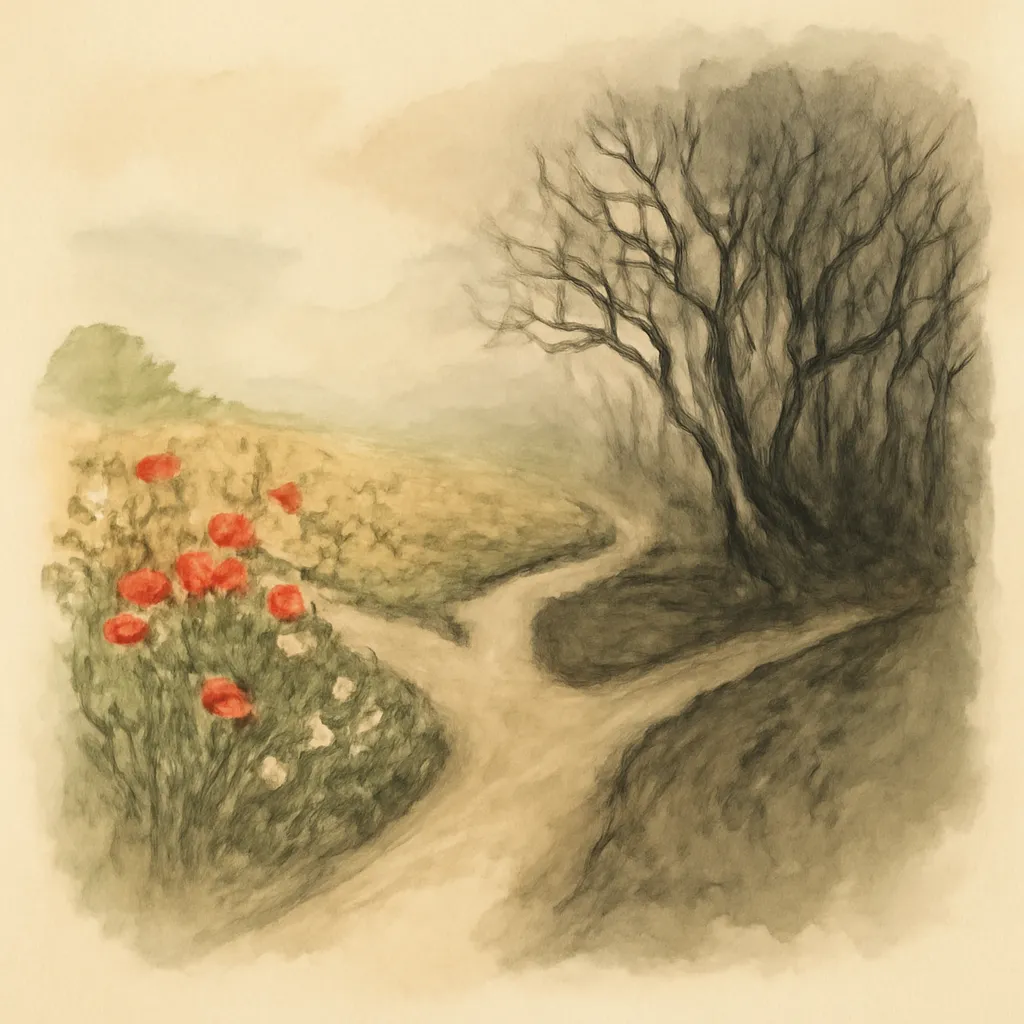
Benjamin masterfully explores the tension between determinism and agency. Each sibling's life unfolds in the shadow of their prophecy, but their choices—whether to rebel, conform, or ignore—demonstrate the complexity of human freedom. The book asks: do we live differently when we think our end is set, or is the act of believing in fate itself what limits us?
3.Family Bonds and Divergence
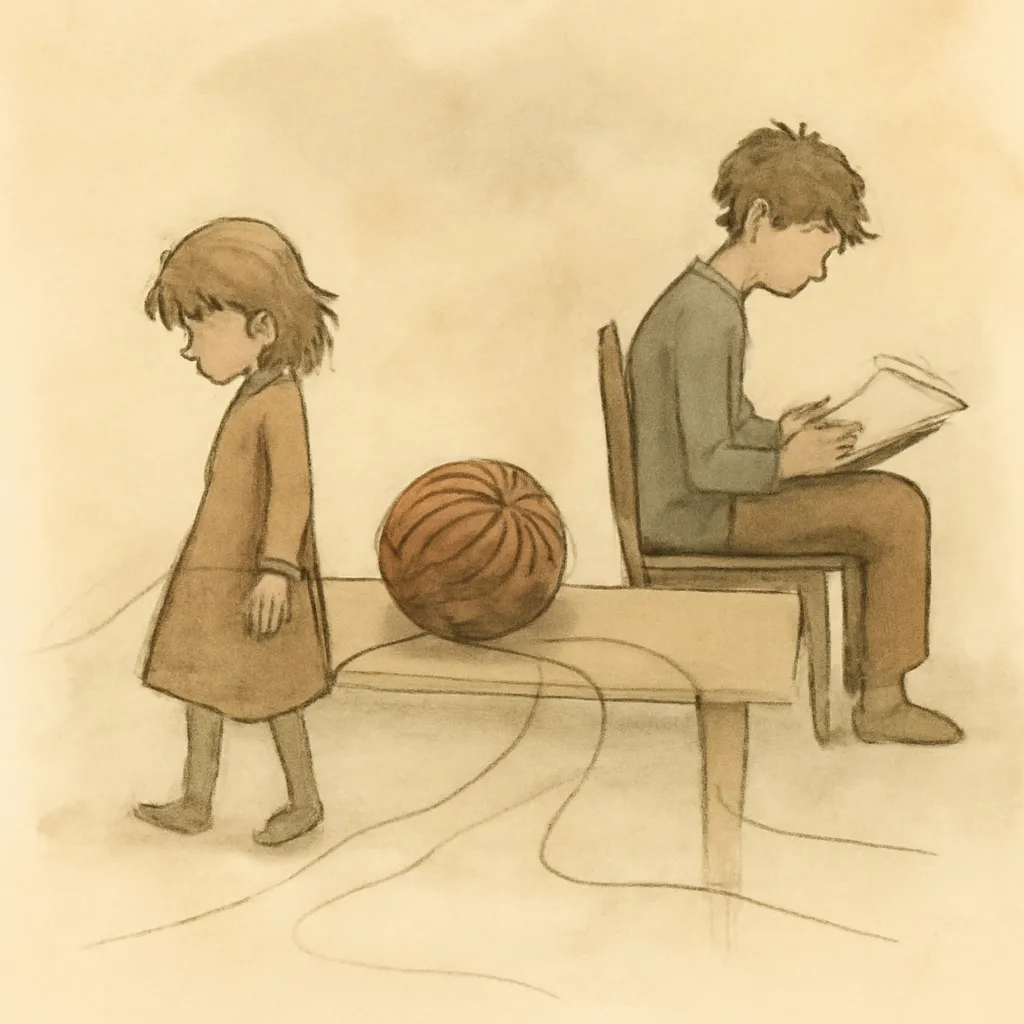
Despite their shared origin, the Gold siblings' paths diverge dramatically. Their relationships are marked by love, rivalry, misunderstanding, and longing. The novel shows how family can be both an anchor and a source of pain, and how the stories we inherit or create within our families can define us as much as any external fate.
4.The Search for Meaning and Immortality
Each sibling seeks meaning in their own way—through art, science, service, or love. Varya’s scientific quest for longevity contrasts with Klara’s magical illusions, highlighting different human responses to mortality. The book suggests that immortality is less about living forever and more about the stories, memories, and impacts we leave behind.
5.The Role of Belief and Storytelling
The Immortalists is as much about the power of stories as it is about fate. The psychic’s prophecy becomes a story the siblings live by, shaping their identities and choices. Benjamin explores how belief—whether in magic, science, or family myths—can both liberate and confine us, and how storytelling is a fundamental human way of making sense of uncertainty.
6.Mortality and Living Fully
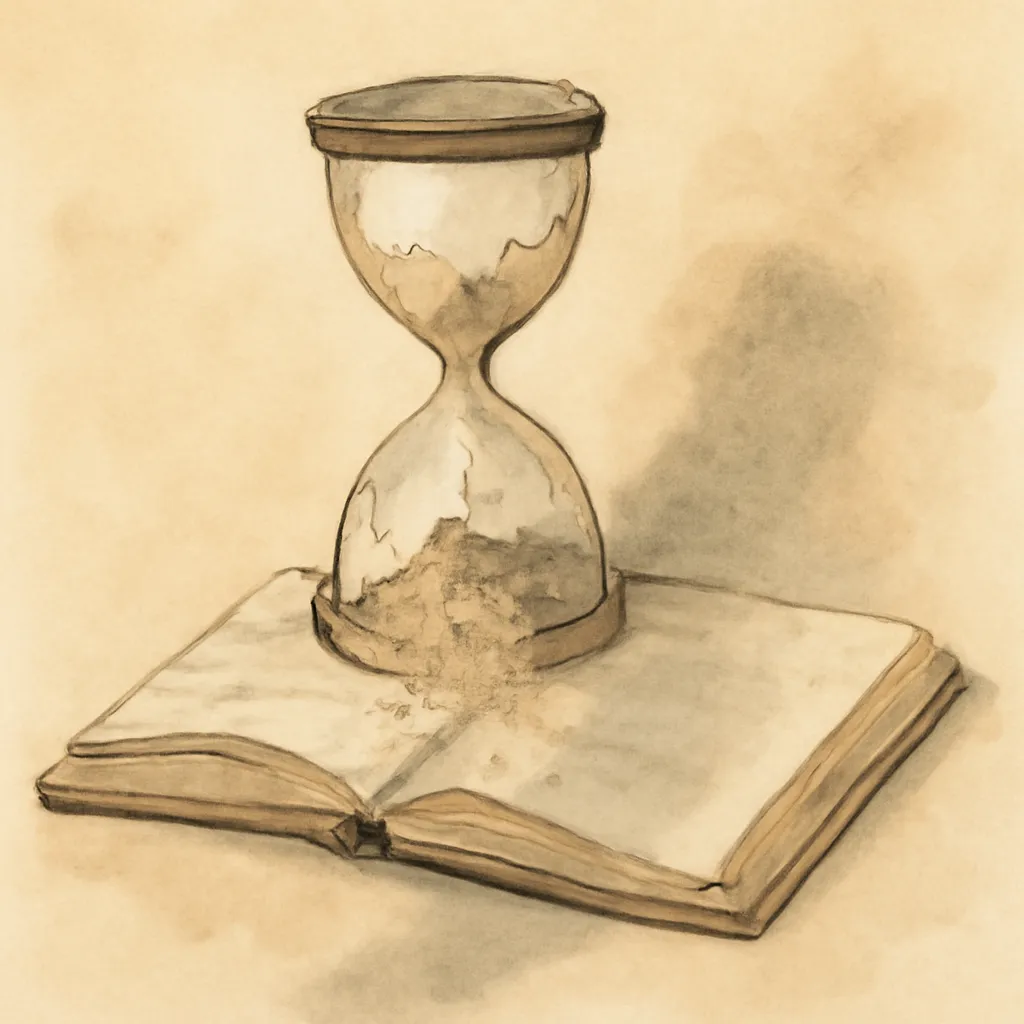
Ultimately, the novel is a meditation on mortality—not as a grim endpoint, but as a motivator for living with intention. The siblings’ awareness of death pushes them to grapple with what it means to live authentically, to love deeply, and to face fear with courage. The book challenges readers to consider how the inevitability of death can inspire a more meaningful life.