Romance · Fiction
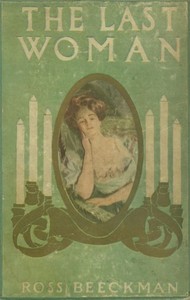
The Last Woman by Ross Beeckman — Summary, Key Ideas & Full Text
212 pages22 chapters4h 16m read3h 2m speed read✦ 9-min Big ideasFree · no account
Rate it
In a world of wealth and power, the struggle for love and identity unfolds against the backdrop of financial tumult and personal betrayal
The Last Woman by Ross Beeckman intricately weaves a tale of ambition, love, and the quest for authenticity amidst the glitz of Wall Street. The story revolves around Patricia Langdon, a fierce and independent woman navigating the complexities of her relationships with powerful men, including her father, Stephen Langdon, and her fiancé, Roderick Duncan. As financial pressures mount and personal stakes rise, Patricia must confront her desires and the expectations imposed upon her. This narrative not only explores the intricacies of romantic entanglements but also delves into the broader themes of societal norms and the price of personal freedom. Readers will find themselves immersed in a world where the true cost of love is measured against the relentless demands of wealth and status.
The Last Woman offers a compelling exploration of the intersections between wealth, love, and identity, inviting readers to reflect on the complexities of human relationships in a materialistic society. Through Patricia Langdon's journey, the narrative challenges traditional gender roles and highlights the importance of self-discovery and authenticity. The characters' struggles with ambition, jealousy, and betrayal reveal the often-hidden costs of their pursuits, underscoring the notion that true fulfillment cannot be bought or sold. As the story unfolds, readers are left with a poignant reminder of the power of love, forgiveness, and the resilience of the human spirit in the face of adversity. Ultimately, Beeckman's work resonates with contemporary audiences, offering insights into the timeless themes of ambition, identity, and the search for connection in a rapidly changing world.
“She was like a man in that she feared nothing, and hesitated at nothing, so long as she knew it to be right.”
“All her life, Patricia had been her father's chum; ever since she could remember, they had talked together of stocks and bonds.”
“The elder man, whose face was always a mask save when he was alone with his daughter… had been at first angered by the words and conduct of Patricia.”

Read Ross Beeckman's work free on Lumina — the complete text plus an 8-minute summary and key ideas, no account needed