
Ovid's 'Metamorphoses' weaves a tapestry of transformation, myth, and the divine, illuminating the complexities of love, loss, and the human condition
Read full overviewShow less›
Ovid's 'Metamorphoses' is not just a collection of myths; it is a profound exploration of change and the fluidity of identity through the lens of ancient narratives. Spanning from the creation of the world to the tales of gods and mortals, this work delves into themes of love, jealousy, and the capriciousness of fate. Each story, rich with vivid imagery and emotional depth, serves as a reflection on the human experience, illuminating how transformations shape our lives and destinies. Readers will encounter characters who undergo physical and emotional metamorphoses, revealing the interplay between humanity and the divine. This intricate web of stories invites both scholars and casual readers to contemplate the enduring power of myth in understanding our own transformations and the world around us.
Ovid's 'Metamorphoses' is a monumental work that transcends time and culture, exploring the themes of transformation and the human experience through a rich tapestry of myth. Each story serves as a reflection of the complexities of love, desire, and the interplay between fate and free will, inviting readers to contemplate the nature of identity and the consequences of our actions. The interconnected narratives reveal the enduring power of myth to resonate with contemporary audiences, providing insights into the human condition that remain relevant today. As a masterpiece of ancient literature, Ovid's work continues to inspire and challenge readers, reminding us of the transformative power of storytelling and the ever-changing nature of existence.
- 1The Creation and the Four Ages
- 2Divine Retribution and Transformation
- 3Love and Desire: The Pursuit and its Consequences
- 4Fate vs. Free Will
- 5The Power of Art and Storytelling
A glimpse inside

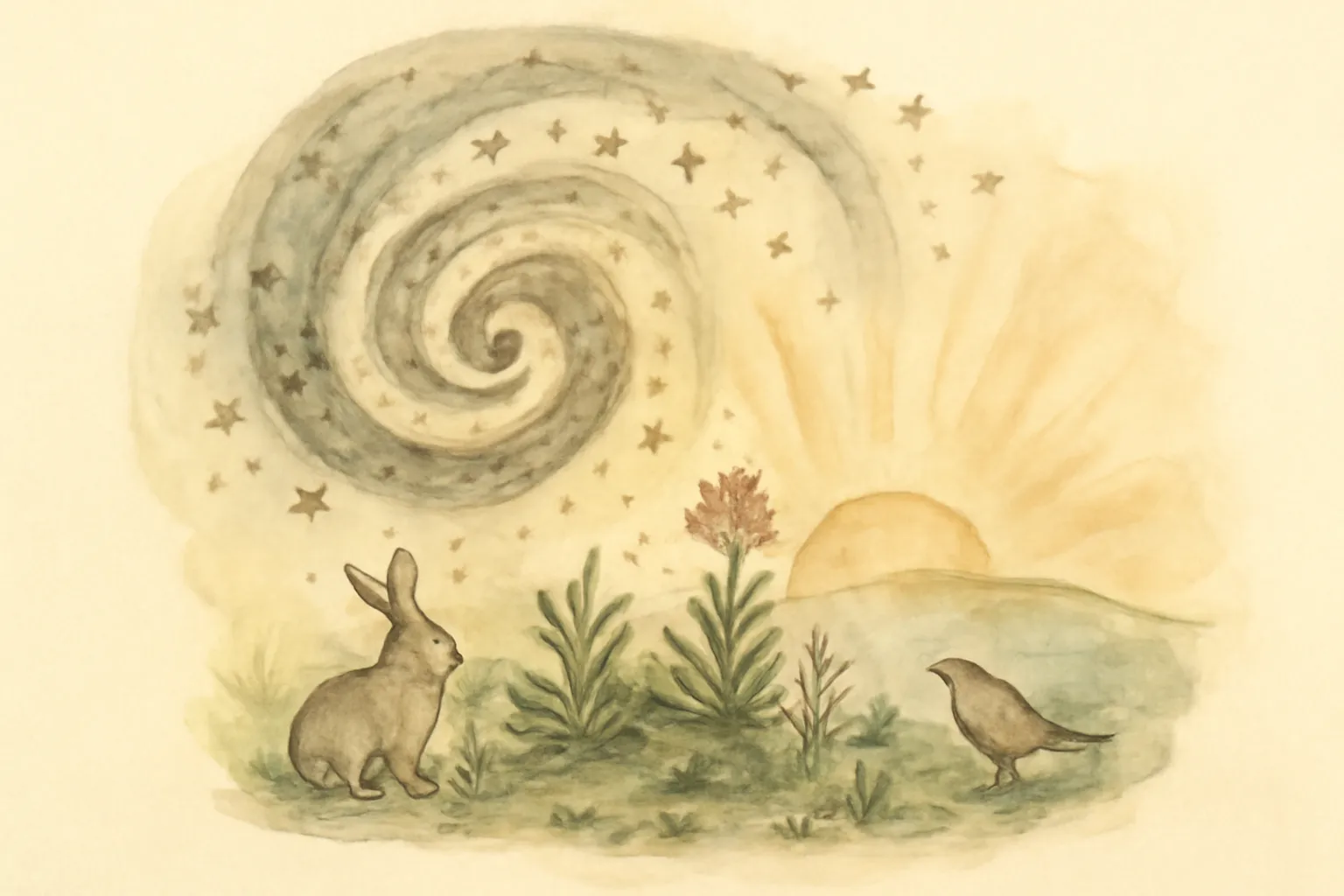
The epic begins with Chaos, which is divided into the four elements: earth, air, fire, and water. From this primordial state, the world is formed, and mankind is created… Read moreThe epic begins with Chaos, which is divided into the four elements: earth, air, fire, and water. From this primordial state, the world is formed, and mankind is created from earth and water, signifying a connection to nature. Ovid introduces the concept of the Four Ages—Golden, Silver, Bronze, and Iron—each representing a decline in moral and societal values. The Golden Age is marked by peace and harmony, where nature provides abundantly, and humans live in close communion with the divine. The subsequent ages reflect a gradual deterioration of virtue, with the Iron Age epitomizing greed, war, and strife. This progression emphasizes the cyclical nature of civilization and the eventual downfall that accompanies human hubris, particularly as the Giants aspire to challenge the gods for supremacy, leading to their destruction by Jupiter. This foundational narrative sets the stage for the theme of transformation that permeates the entire work, suggesting that change is an inherent aspect of existence. Show less
Jupiter's wrath against the impious is a recurring motif, exemplified by his punishment of Lycaon, who is transformed into a wolf for his disbelief and barbarism. Read moreJupiter's wrath against the impious is a recurring motif, exemplified by his punishment of Lycaon, who is transformed into a wolf for his disbelief and barbarism. This transformation highlights the notion that divine retribution takes many forms, serving as a lesson to humanity about the consequences of arrogance and disrespect towards the divine. The Deluge serves as a divine reset, wiping out humanity except for Deucalion and Pyrrha, who, by throwing stones behind them, symbolize resilience and renewal of life. The story illustrates the cyclical nature of destruction and rebirth, emphasizing that from chaos or catastrophe, new life can emerge. This theme of transformation as a consequence of divine action highlights the relationship between mortals and gods, where the latter wield absolute power over the former’s fate, ultimately reinforcing the moral order of the universe. Ovid uses these transformations not only as narrative devices but as moral lessons, warning against hubris and the consequences of defying divine authority, as seen in the tragic stories that unfold throughout the narrative. Show less
Read the full text — free
About the author
Ovid has 3 works free to read on Lumina, including Ars Amatoria; or, The Art Of Love: Literally Translated into English Prose, with Copious Notes, The Metamorphoses of Publius Ovidus Naso in English blank verse Vols. I & II