Fiction
The Metamorphoses of Publius Ovidus Naso in English blank verse Vols. I & II by Ovid — Summary, Key Ideas & Full Text
388 pages31 chapters7h 48m read5h 32m speed read✦ 9-min Big ideas★ 3.6 (7)Free · no account
Rate it
Ovid's 'Metamorphoses' weaves a tapestry of transformation and myth, exploring the fluidity of identity and the consequences of desire
In 'The Metamorphoses of Publius Ovidius Naso,' readers are invited into a world where gods, mortals, and nature intertwine in a series of enchanting and often cautionary tales. Ovid's work captures the essence of change—both physical and emotional—through a rich narrative that spans from the origins of the world to the complexities of love and power. Each story serves as a reflection on the human condition, illustrating how characters navigate their desires, fears, and the whims of fate. As transformations unfold, from the tragic to the comedic, readers are reminded of the interconnectedness of all beings and the inevitable shifts that define existence. This timeless epic not only entertains but also prompts deep contemplation about identity, love, and the forces that shape our lives.
Ovid's 'Metamorphoses' remains a timeless exploration of transformation, identity, and the intricate relationships between desire and power. Through vivid storytelling and rich imagery, Ovid invites readers to reflect on the fluidity of life and the consequences of human actions. Each tale is a testament to the resilience of the human spirit and the inevitability of change, encouraging readers to embrace their own metamorphoses. The themes presented in this epic continue to resonate today, reminding us of the complexities of our desires, the nature of our identities, and the forces that shape our destinies. Ultimately, Ovid's work serves as a mirror reflecting the struggles and triumphs of humanity, inviting us to engage with our own transformative journeys.
“Caught by the image of his beauteous face, He loves th' unbody'd form: a substance thinks The shadow:—”
“From bodies various form'd, mutative shapes My Muse would sing:—Celestial powers give aid!”
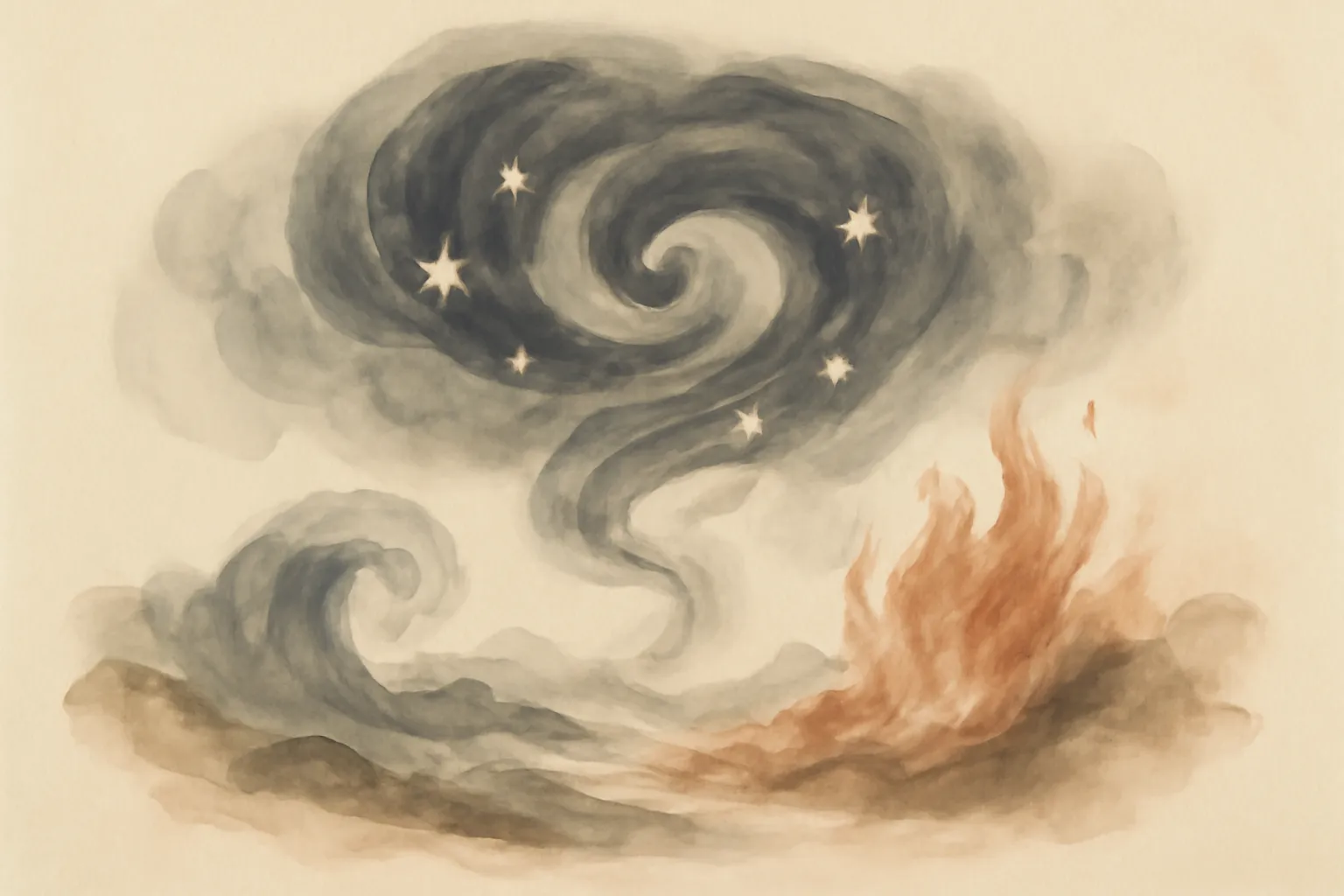
“Though fire with water strives; yet vapour warm, Discordant mixture, gives a birth to all.”
Ovid has 3 works free to read on Lumina, including Ars Amatoria; or, The Art Of Love: Literally Translated into English Prose, with Copious Notes, The Metamorphoses of Ovid, Books I-VII