1.The Birth of the World from Chaos
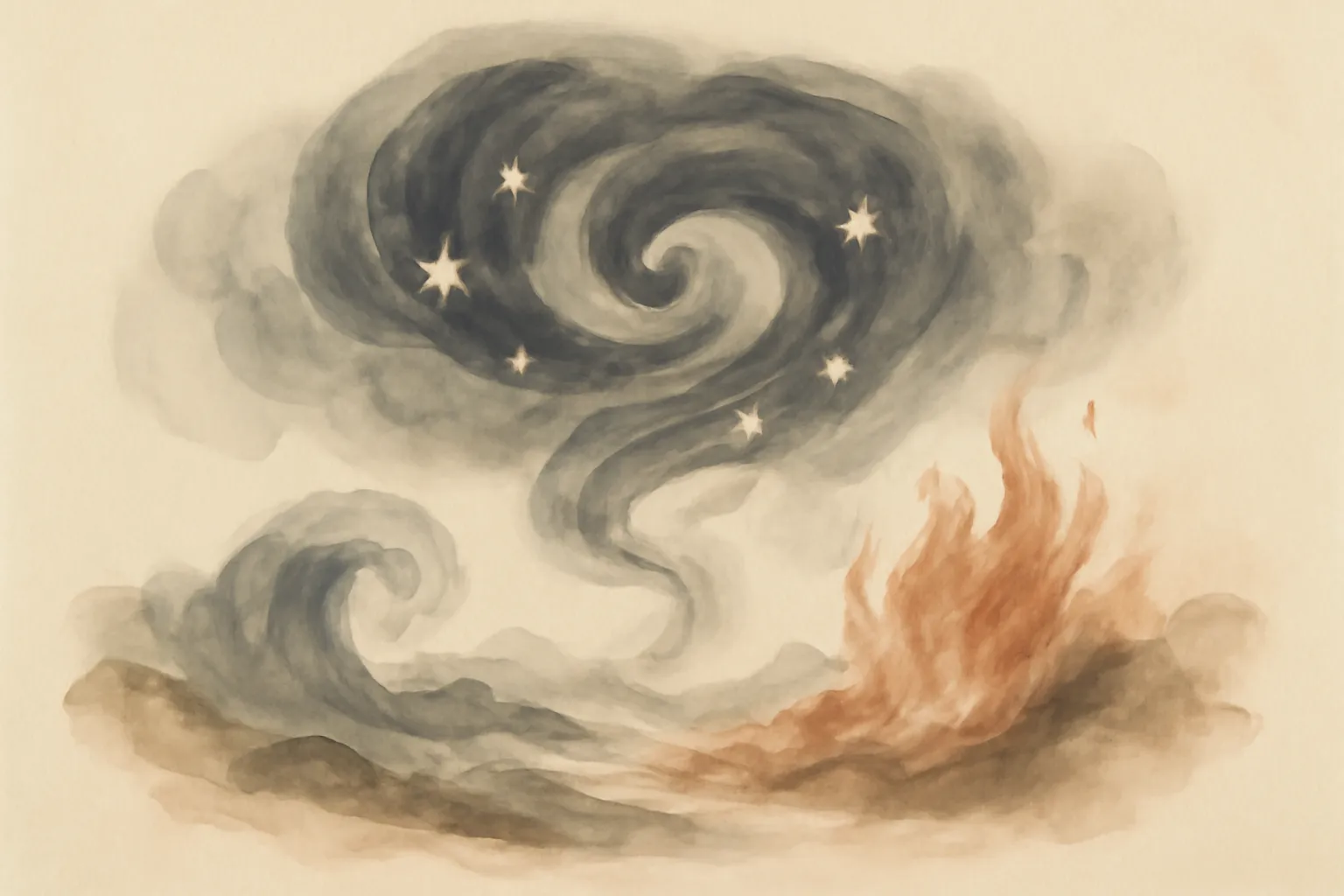
Ovid begins his epic with a vivid portrayal of the universe's creation, emerging from primordial chaos. In this chaotic state, all elements were indistinguishable, and a great struggle ensued among the fundamental forces of nature. The narrative sets the stage for the transformations that will follow, emphasizing that change is the only constant. The divine intervention of the gods, particularly the great Lord of the World, brings order to this chaos, separating earth from sky and water from land. This foundational myth not only reflects Ovid's poetic imagination but also underscores the theme that beauty and order arise from disorder, a recurring motif throughout the text. The intricate description of the elements battling for dominance highlights the tension inherent in creation, suggesting that the world, as we know it, is a delicate balance of opposing forces.
2.Life Emerges from the Elements
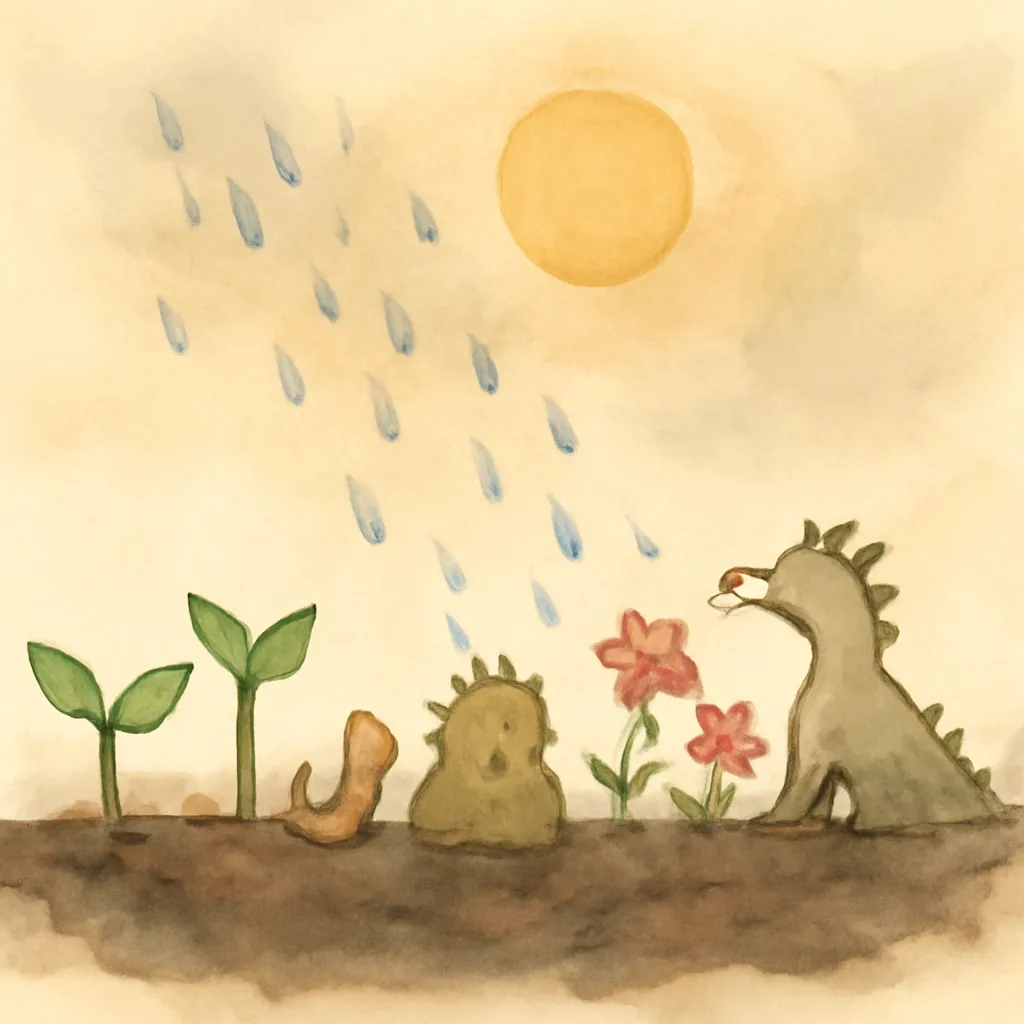
From the fertile earth, life begins to sprout as the elements mix harmoniously. Ovid describes how water, when warmed by the sun, gives birth to various forms of life, some recognizable and others monstrous. This notion of life springing forth from chaos highlights the creative potential within destruction. The imagery of the Nile's floods and the emergence of life from mud serves as a metaphor for renewal and the cyclical nature of existence. Ovid uses this theme to illustrate that even the most chaotic circumstances can lead to beauty and vitality, prompting readers to reflect on their own experiences of transformation. The passage emphasizes the idea that life is a product of collaboration between elemental forces, showcasing the interdependence of all beings in the natural world.
3.Apollo and Daphne: The Pain of Unrequited Love
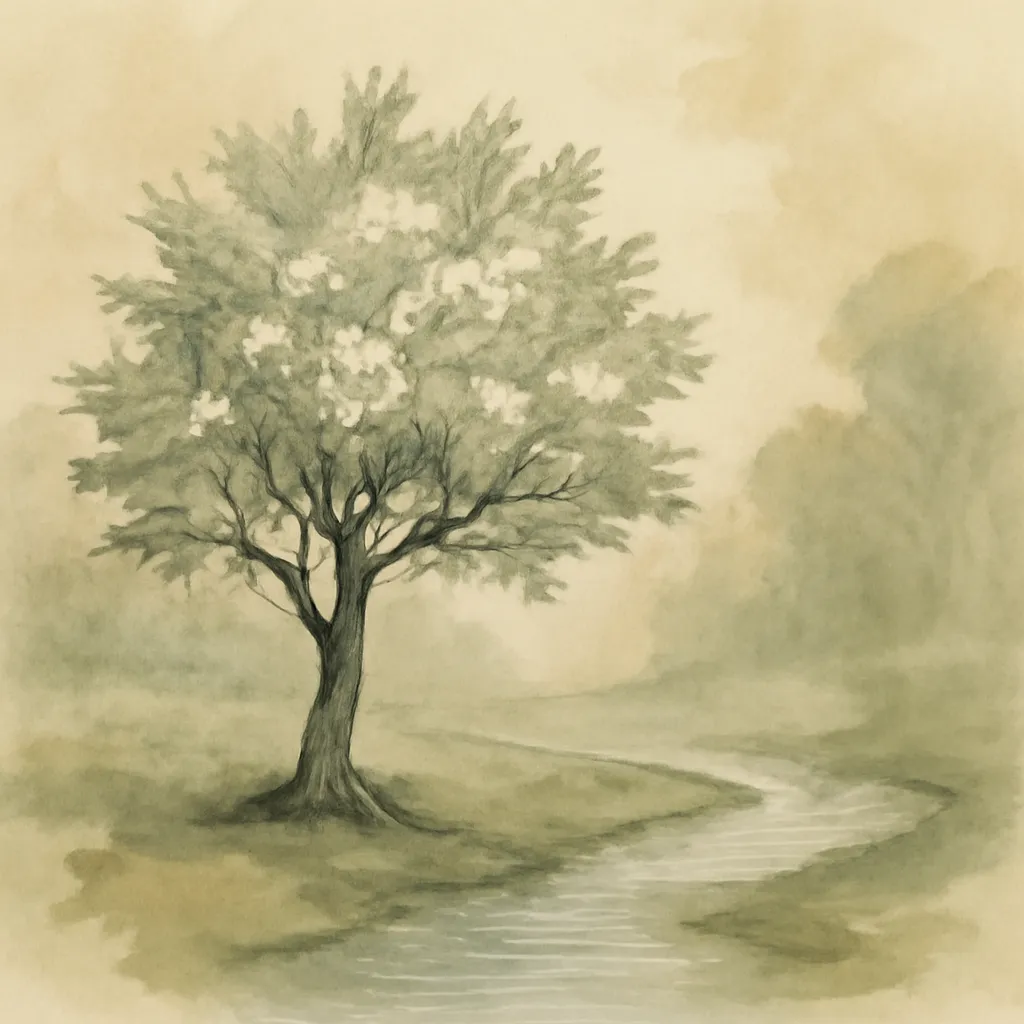
One of the most poignant tales in Ovid's work is the story of Apollo and Daphne, which encapsulates the complexities of love and desire. Apollo, having slain the serpent Python, becomes infatuated with the nymph Daphne, who embodies purity and independence. However, Daphne shuns Apollo's advances, leading to a chase that culminates in her transformation into a laurel tree to escape his grasp. This metamorphosis serves as a powerful commentary on the nature of desire—how it can lead to obsession and the painful consequences of unreciprocated love. The story resonates with readers by illustrating the lengths individuals will go to preserve their autonomy, even in the face of relentless pursuit. Ovid's portrayal of Daphne's transformation into a tree also symbolizes the tension between love and freedom, highlighting that the desire to possess can ultimately lead to loss.
4.The Consequences of Hubris: Niobe's Downfall
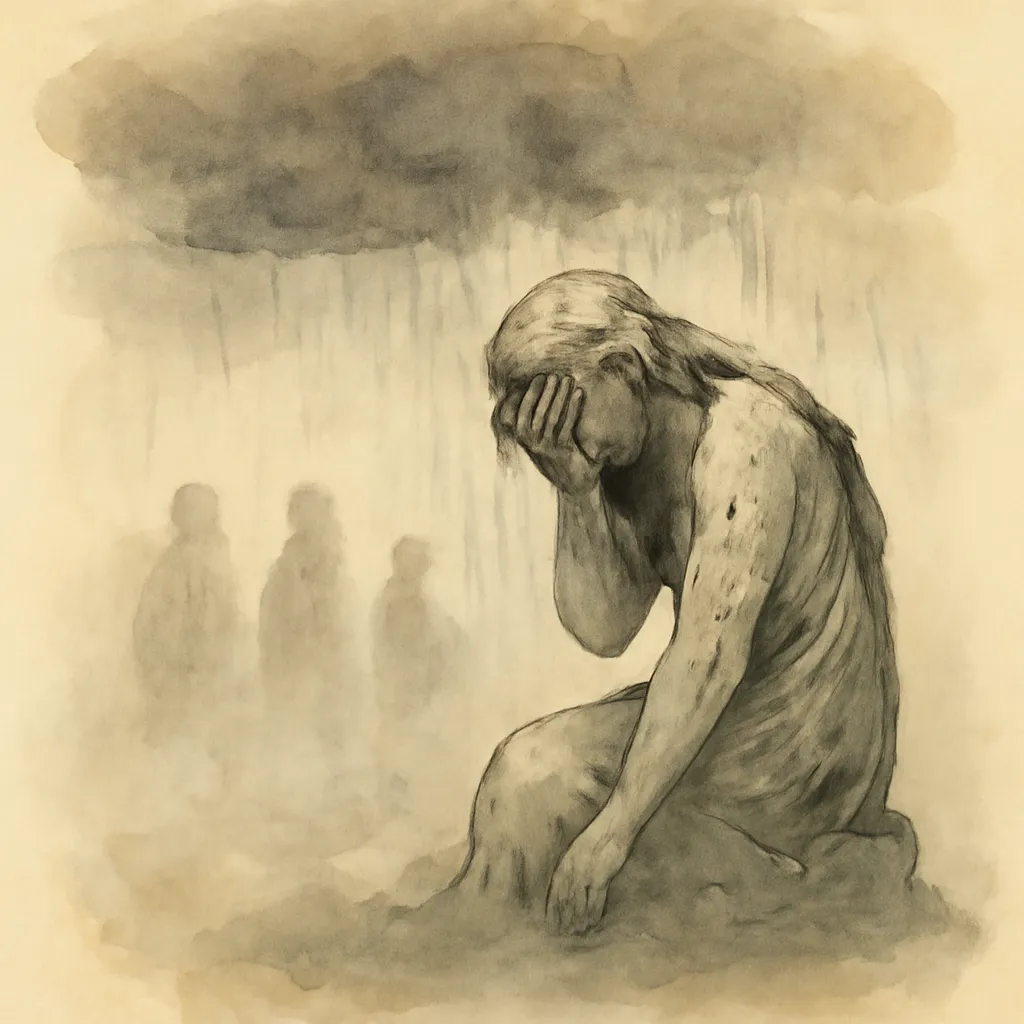
Niobe's tale serves as a stark warning against the dangers of hubris and the consequences of overstepping boundaries. Proud of her offspring, she boasts about her children, comparing herself to the goddess Leto, who has only two. In retaliation for her arrogance, Leto sends her children, Apollo and Artemis, to exact vengeance, resulting in the slaughter of Niobe's children. The transformation of Niobe into stone, perpetually weeping, symbolizes the eternal grief that accompanies pride and arrogance. This narrative highlights the theme of divine retribution and the fragility of human pride, reminding readers that humility is essential in the face of greater powers. Ovid carefully constructs this tale to illustrate that unchecked ambition and the desire for superiority can have devastating consequences, reflecting the moral that respect for the divine is paramount.
5.Love and Loss: Orpheus and Eurydice
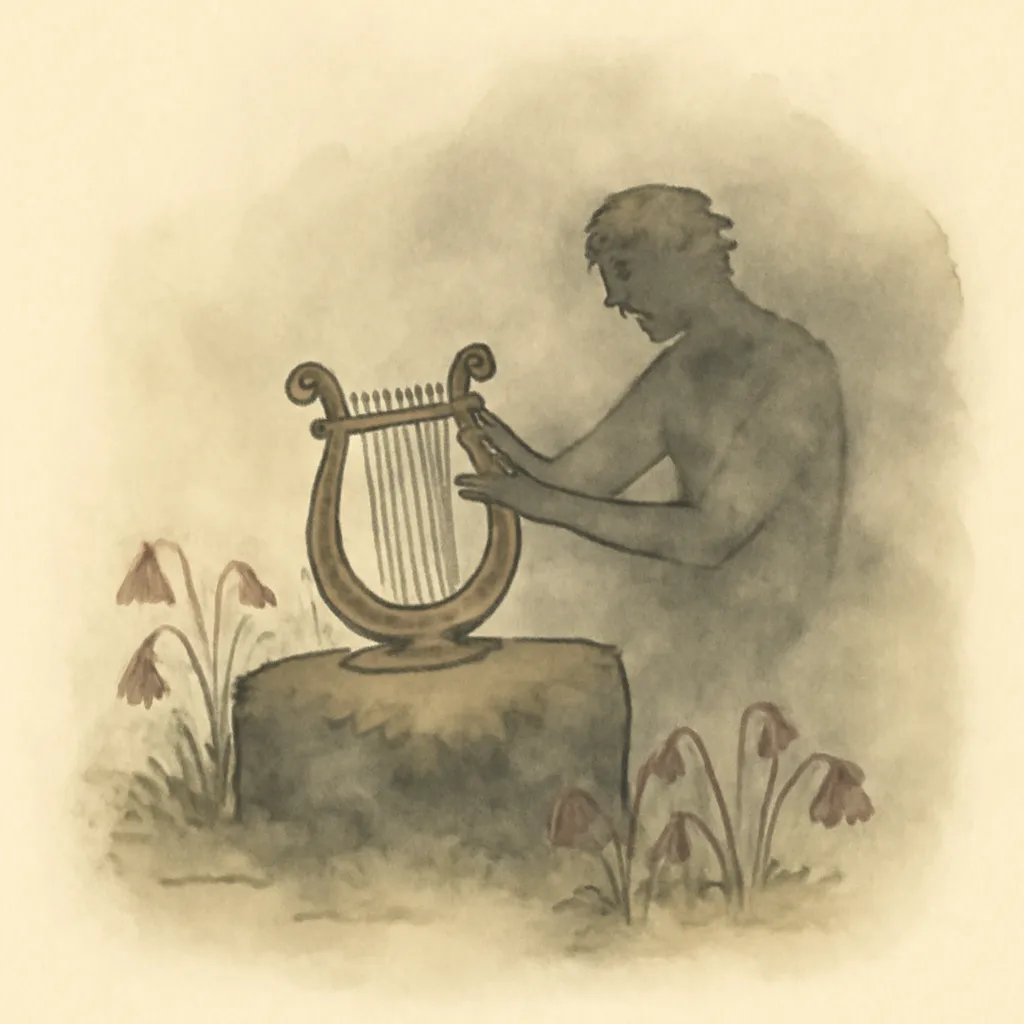
The tragic love story of Orpheus and Eurydice explores the depths of love and the pain of loss. Orpheus, gifted with the ability to charm all living things with his music, loses his beloved Eurydice to death. In his grief, he descends into the Underworld, determined to bring her back. His enchanting music softens the hearts of Hades and Persephone, who allow Eurydice to return under one condition: Orpheus must not look back at her until they reach the surface. However, his moment of doubt leads to tragedy when he turns to gaze at her, causing her to be lost forever. This narrative illustrates the themes of love, trust, and the consequences of doubt, resonating deeply with readers who have experienced loss. Orpheus's journey underscores the fragility of human connections and the pain of separation, demonstrating that love is both a source of strength and vulnerability.
6.Transformation as a Means of Escape
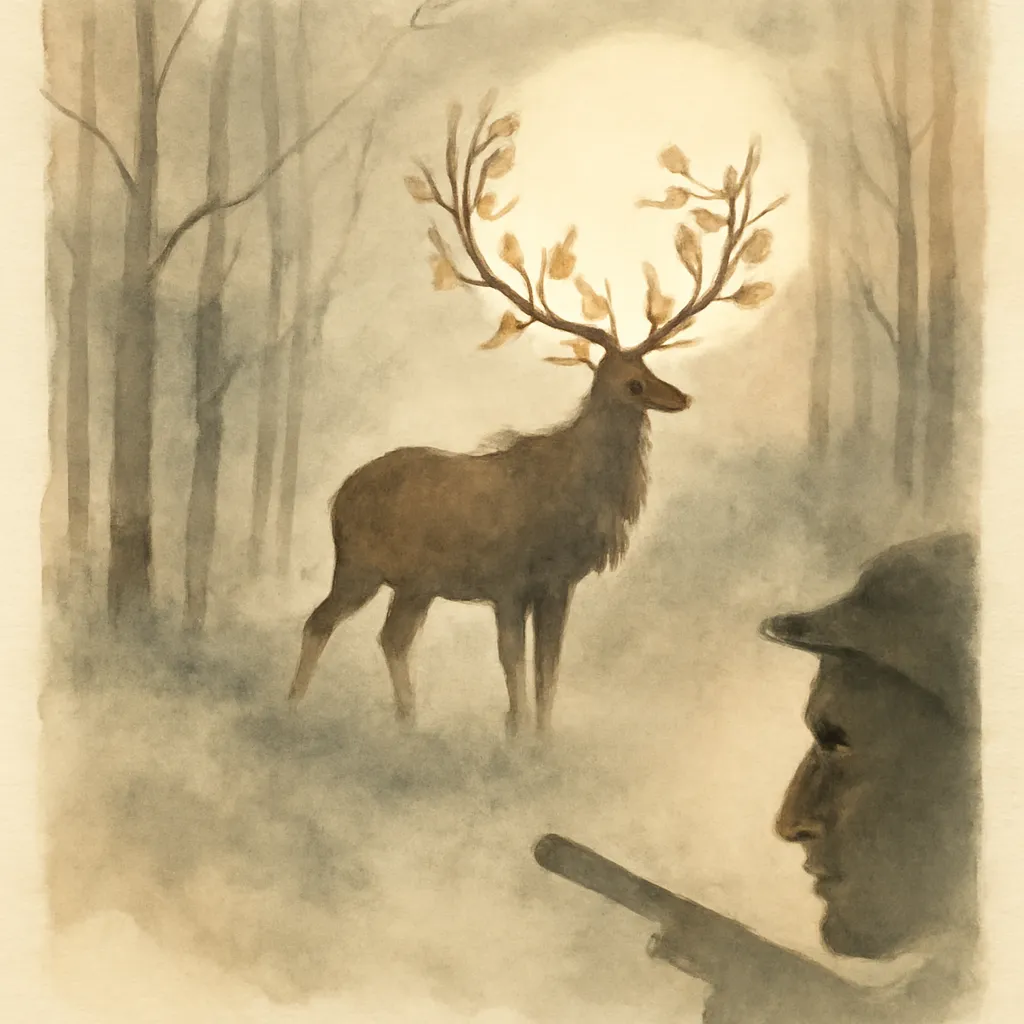
Many characters in 'Metamorphoses' undergo physical transformations as a means of escape from their circumstances. The tale of Actaeon, who is transformed into a stag after accidentally witnessing Diana bathing, serves as a powerful example. His metamorphosis leads to his demise at the hands of his own hunting dogs, symbolizing the harsh consequences of fate and the inescapable nature of one's identity. This theme of transformation as a form of escape raises questions about the nature of self and the lengths individuals will go to evade their fates. Ovid's exploration of these transformations invites readers to consider their own desires for change and the potential costs associated with it. The act of transformation here underscores both the desire to evade the pressures of society and the painful reality of confronting one's own nature.
7.The Interplay of Power and Desire
Ovid intricately weaves stories that reflect the tension between power and desire, particularly in the relationships between gods and mortals. For instance, the story of Jupiter and Callisto highlights the vulnerability of mortals in the face of divine lust. Jupiter's transformation into Diana allows him to seduce Callisto, leading to her eventual punishment by Juno, who transforms her into a bear. This narrative underscores how desire can lead to manipulation and betrayal, especially when power dynamics are at play. Ovid's portrayal of these relationships compels readers to reflect on the complexities of love, consent, and the consequences of unchecked desire. The exploration of this theme reveals that power can corrupt, and that the consequences of desire are often far-reaching, impacting not just the individuals directly involved but also their families and communities.
8.The Nature of Identity and Change
Throughout 'Metamorphoses,' Ovid raises profound questions about identity and the nature of change. Characters such as Tiresias, who experiences life as both a man and a woman, exemplify the fluidity of identity. His transformation highlights how experiences shape one's understanding of self and the world. Similarly, the various metamorphoses of characters like Lycaon, who is turned into a wolf for his impiety, illustrate how identity can be altered by actions and choices. Ovid's exploration of these themes invites readers to consider the ways in which their own identities are shaped by their experiences, relationships, and societal expectations. The narrative suggests that identity is not static; rather, it is a dynamic interplay of personal choices, external influences, and inherent traits.
9.The Role of Fate and the Gods
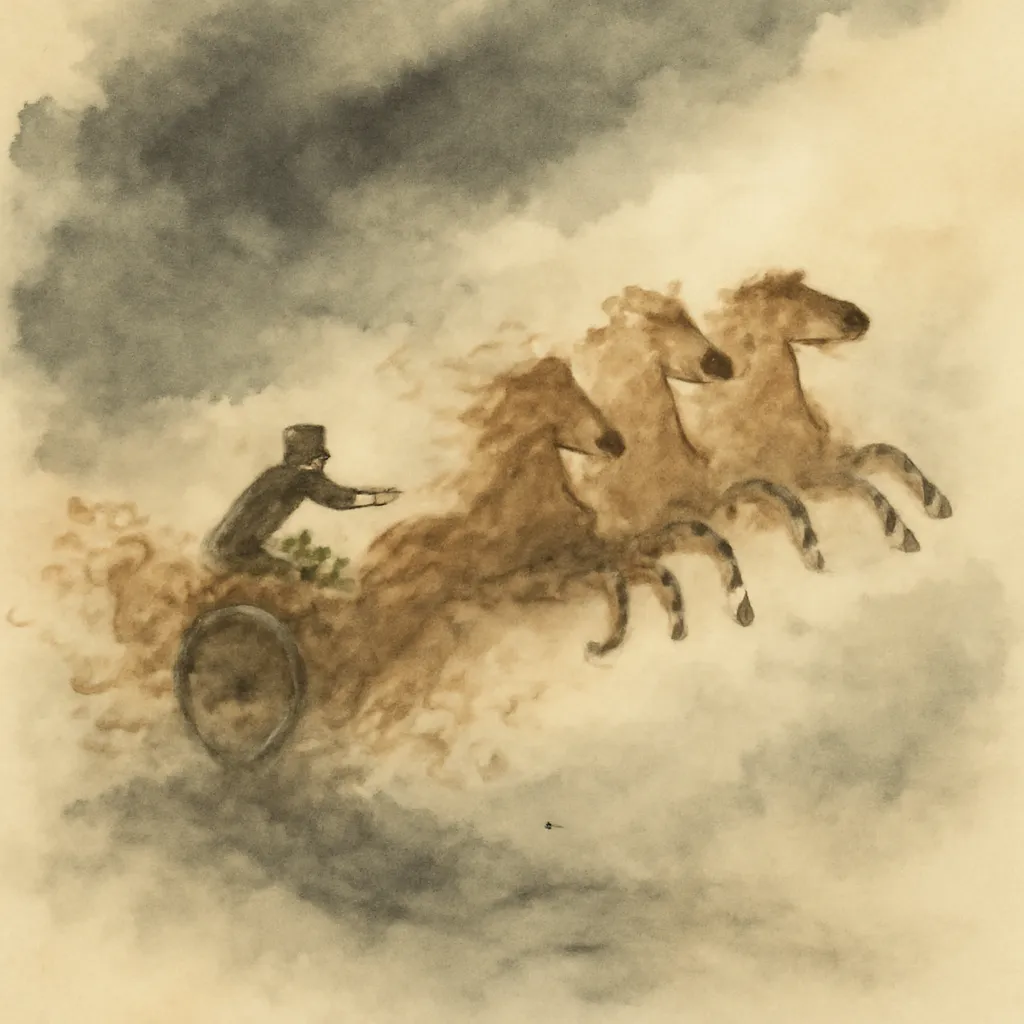
Fate plays a crucial role in the narratives of 'Metamorphoses,' with many characters experiencing inevitable outcomes dictated by the gods. The tale of Phaëthon, who seeks to prove his lineage as the son of Apollo by driving the sun chariot, demonstrates the tragic consequences of defying fate. His reckless ambition leads to chaos and destruction, ultimately resulting in his demise. Ovid's portrayal of fate as an unyielding force reinforces the idea that, despite human desires and ambitions, some outcomes are beyond control. This theme encourages readers to reflect on their own lives and the balance between free will and destiny. The recurring motif of fate suggests that while individuals may strive for greatness, they must also reckon with the limitations imposed by the cosmos and divine will.
10.The Resilience of the Human Spirit
Despite the often tragic outcomes of Ovid's tales, there is a pervasive sense of resilience throughout 'Metamorphoses.' Characters like Persephone, who navigates her dual existence between the Underworld and the world of the living, embody the strength of the human spirit in the face of adversity. Similarly, the transformations of characters often serve as a means of rebirth or renewal, suggesting that change, even when painful, can lead to growth and new beginnings. Ovid's emphasis on resilience invites readers to embrace their own transformative journeys and find strength in the face of life's challenges. The underlying message is one of hope—despite the trials faced by the characters, there remains the possibility of redemption and renewal, highlighting the enduring human spirit.