1.The Creation and the Four Ages
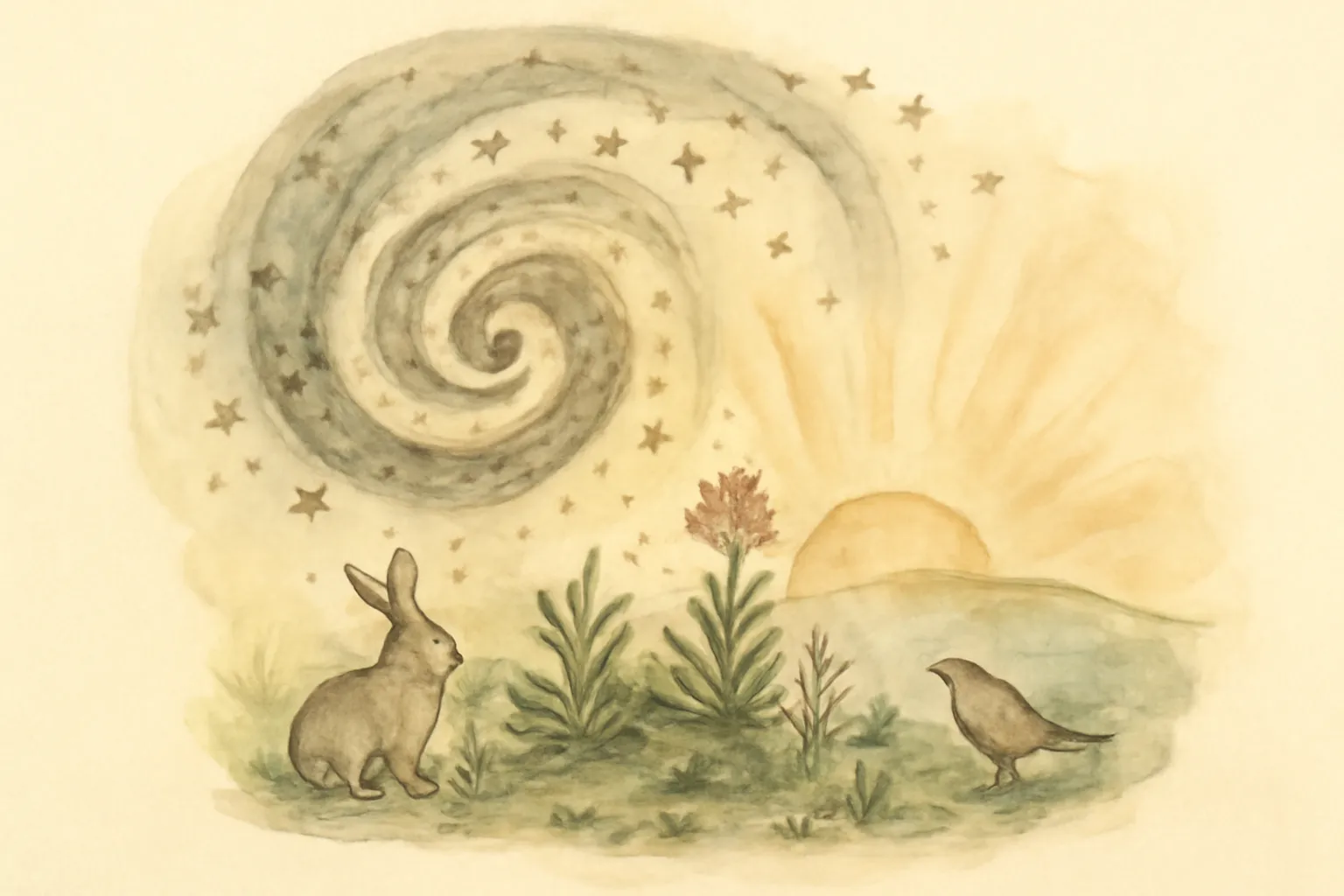
The epic begins with Chaos, which is divided into the four elements: earth, air, fire, and water. From this primordial state, the world is formed, and mankind is created from earth and water, signifying a connection to nature. Ovid introduces the concept of the Four Ages—Golden, Silver, Bronze, and Iron—each representing a decline in moral and societal values. The Golden Age is marked by peace and harmony, where nature provides abundantly, and humans live in close communion with the divine. The subsequent ages reflect a gradual deterioration of virtue, with the Iron Age epitomizing greed, war, and strife. This progression emphasizes the cyclical nature of civilization and the eventual downfall that accompanies human hubris, particularly as the Giants aspire to challenge the gods for supremacy, leading to their destruction by Jupiter. This foundational narrative sets the stage for the theme of transformation that permeates the entire work, suggesting that change is an inherent aspect of existence.
2.Divine Retribution and Transformation
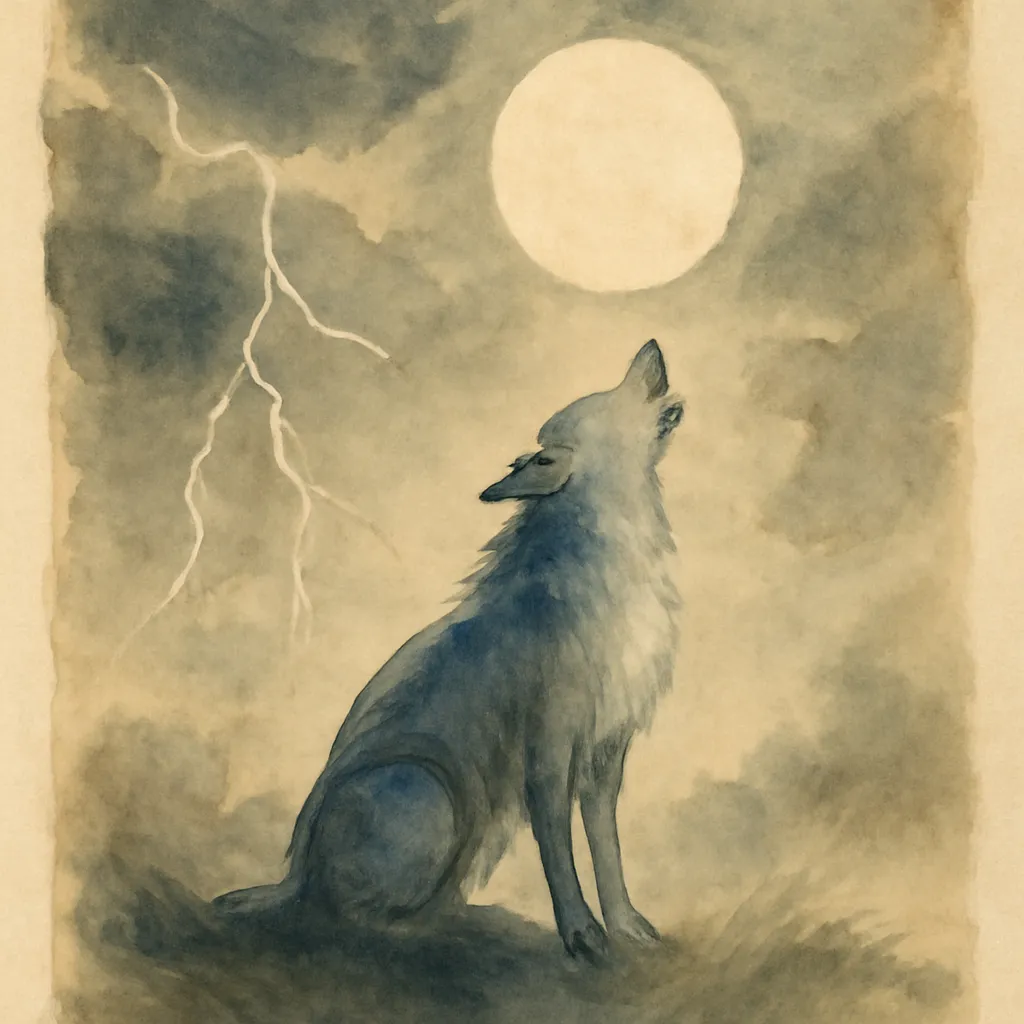
Jupiter's wrath against the impious is a recurring motif, exemplified by his punishment of Lycaon, who is transformed into a wolf for his disbelief and barbarism. This transformation highlights the notion that divine retribution takes many forms, serving as a lesson to humanity about the consequences of arrogance and disrespect towards the divine. The Deluge serves as a divine reset, wiping out humanity except for Deucalion and Pyrrha, who, by throwing stones behind them, symbolize resilience and renewal of life. The story illustrates the cyclical nature of destruction and rebirth, emphasizing that from chaos or catastrophe, new life can emerge. This theme of transformation as a consequence of divine action highlights the relationship between mortals and gods, where the latter wield absolute power over the former’s fate, ultimately reinforcing the moral order of the universe. Ovid uses these transformations not only as narrative devices but as moral lessons, warning against hubris and the consequences of defying divine authority, as seen in the tragic stories that unfold throughout the narrative.
3.Love and Desire: The Pursuit and its Consequences
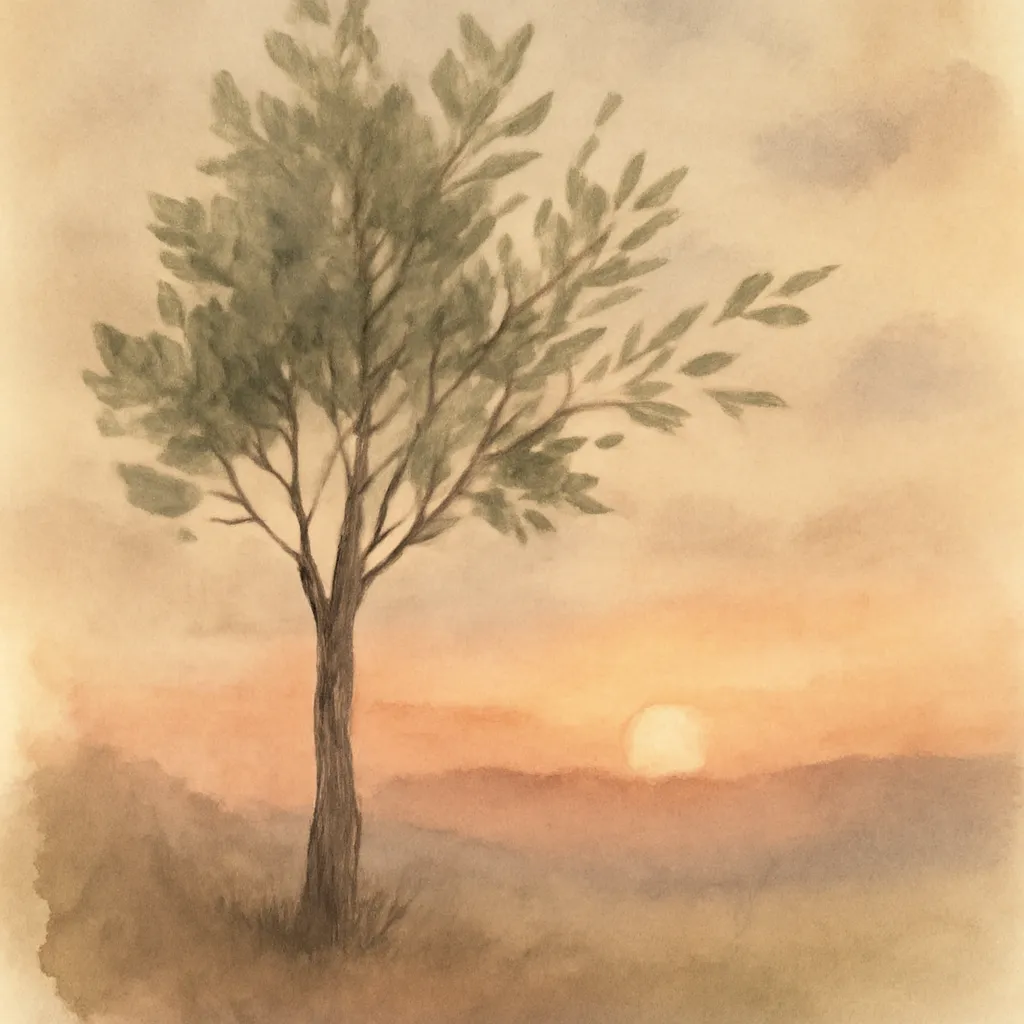
The theme of love is intricately explored through various relationships, often leading to tragic transformations. The poignant story of Apollo and Daphne illustrates the pain of unrequited love, culminating in Daphne's transformation into a laurel tree to escape Apollo's advances. This metamorphosis highlights the dual nature of desire, where love can lead to both beauty and suffering, as Apollo honors Daphne posthumously by making the laurel a symbol of victory. Similarly, the tale of Io, who is transformed into a cow to escape Jupiter’s jealousy, underscores the destructive power of desire and the lengths to which one must go to seek freedom. The story unfolds with layers of betrayal, obsession, and despair, as Io becomes a victim of divine lust. These narratives reveal that love, often idealized, carries the potential for cruelty and sorrow, prompting readers to reflect on the complexities and contradictions inherent in human relationships.
4.Fate vs. Free Will
Throughout the 'Metamorphoses,' the tension between fate and free will emerges as a central theme. Characters often find themselves caught in the web of destiny, as seen in the tragic tale of Narcissus, who becomes enamored with his own reflection, ultimately leading to his demise. His transformation into a flower serves as a poignant reminder of the consequences of self-obsession and the inevitability of fate. The story of Phaëton, who seeks to prove his parentage by driving the sun chariot, illustrates the perils of ambition and the limits of human control over destiny. The destructive consequences of Phaëton's hubris culminate in a cataclysmic fire that scorches the earth, leading to his demise at the hands of Jupiter. Ovid presents a world where the gods manipulate fate, yet human choices still play a crucial role in shaping outcomes, creating a complex interplay between predetermined paths and individual agency. This dynamic invites readers to contemplate the extent to which one's life is determined by fate versus personal choice, underscoring the existential questions that echo throughout the work.
5.The Power of Art and Storytelling
Ovid's narrative structure itself is a testament to the power of art and storytelling. The interwoven tales of transformation serve as a commentary on the nature of creation, where each story reflects the others in a myriad of ways. The contests between gods and mortals, such as the weaving contest between Pallas and Arachne, emphasize the significance of artistic expression. Arachne’s punishment for hubris, being transformed into a spider, speaks to the idea that art can both elevate and condemn. This transformation reflects the dual nature of creativity, where the pursuit of artistic excellence can lead to both triumph and downfall. Ovid masterfully illustrates how stories can transcend time, allowing readers to engage with the past while reflecting on their own lives. The narrative itself becomes a living entity, capable of shaping perceptions and understanding, as it invites contemplation on the role of the artist in shaping culture and identity.
6.Transformation as a Reflection of Identity
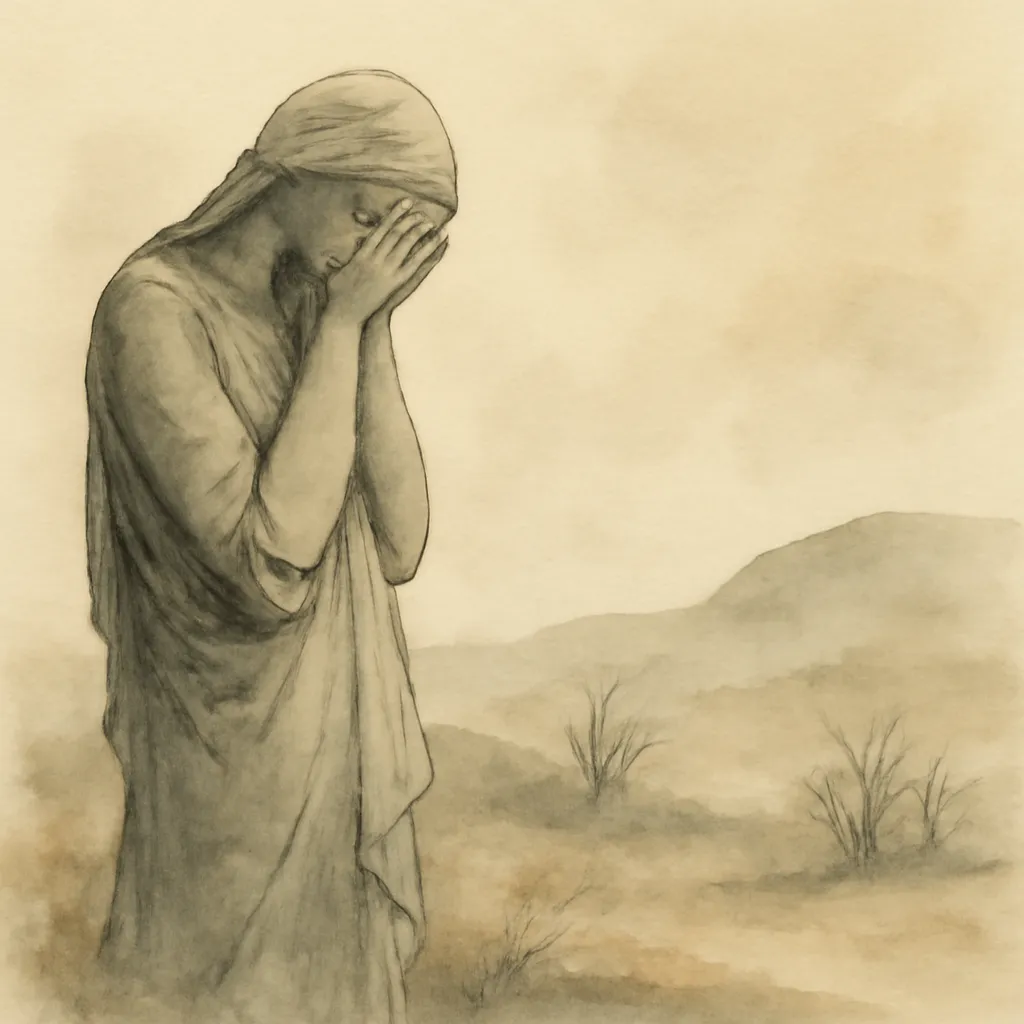
The myriad transformations in 'Metamorphoses' serve as powerful metaphors for identity and the human experience. Characters frequently undergo physical changes that mirror their emotional or moral states, such as the metamorphosis of Niobe into stone following her hubris in comparing herself to Latona. This transformation encapsulates the theme of loss and grief, as well as the fragility of human pride. Similarly, the various forms taken by characters throughout the text, from gods to beasts, reflect the multifaceted nature of identity and the idea that one’s essence can shift in response to external circumstances. The transformation of characters like Actæon, who is turned into a stag and hunted by his own hounds, underscores how external perceptions can irrevocably alter one's identity. Ovid suggests that identity is not fixed but is instead fluid, echoing the transformations that define our existence. This exploration invites readers to ponder their own identities and the circumstances that shape them, illustrating how personal experiences can lead to profound changes.
7.Nature and the Divine: Interconnectedness
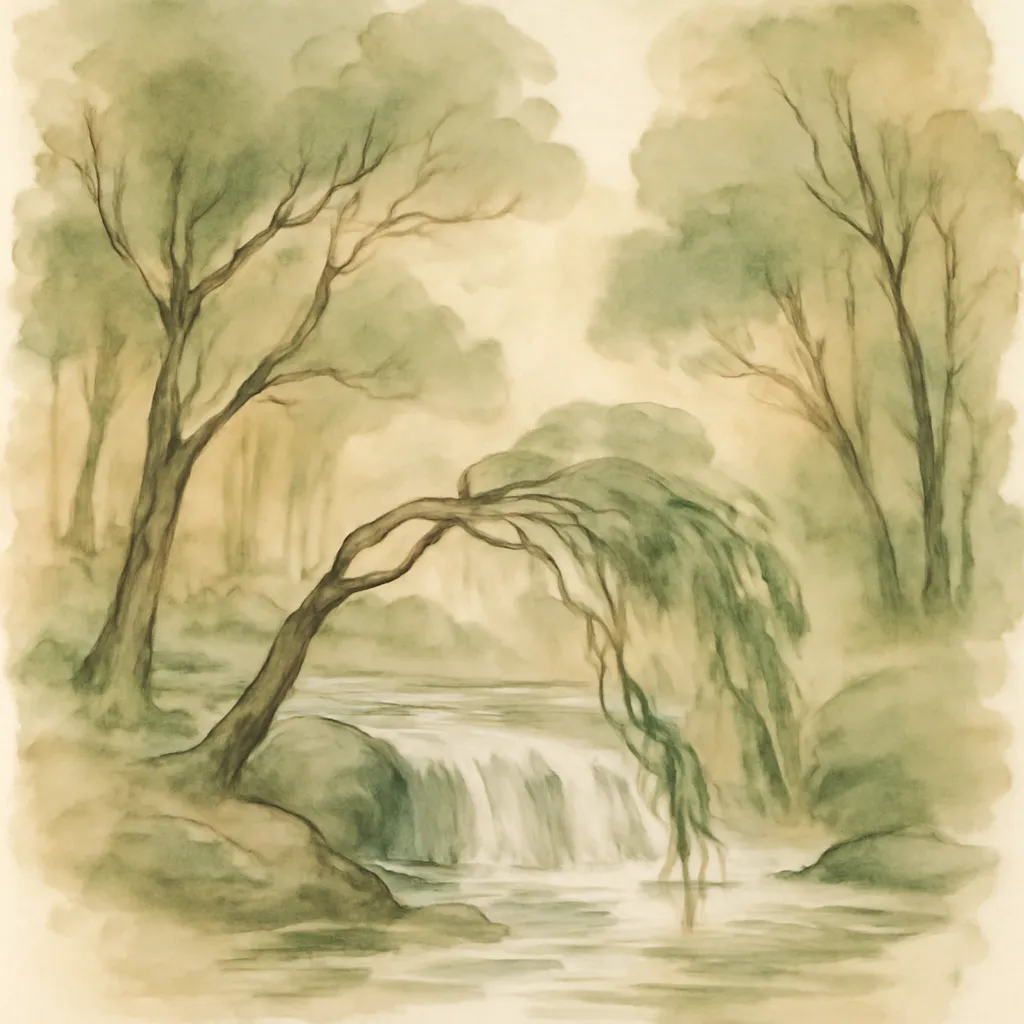
Ovid intricately connects the natural world with divine intervention, illustrating how the two realms influence one another. The transformations of characters often involve elements of nature, such as rivers, trees, and animals, which become integral to their stories. For instance, the transformation of Daphne into a laurel tree not only signifies her escape from Apollo but also establishes her as a symbol of victory and resilience in the face of unwanted advances. Similarly, the tale of Narcissus, who transforms into a flower, emphasizes the beauty and tragedy found within nature as a reflection of human nature. This interconnectedness emphasizes the belief that the divine permeates the natural world, and that transformations are a reflection of both human actions and divine will. Ovid's portrayal of nature as a living entity imbued with divine presence invites readers to appreciate the beauty and complexity of the world around them, while also contemplating humanity's role within it.
8.The Role of Women in Mythology
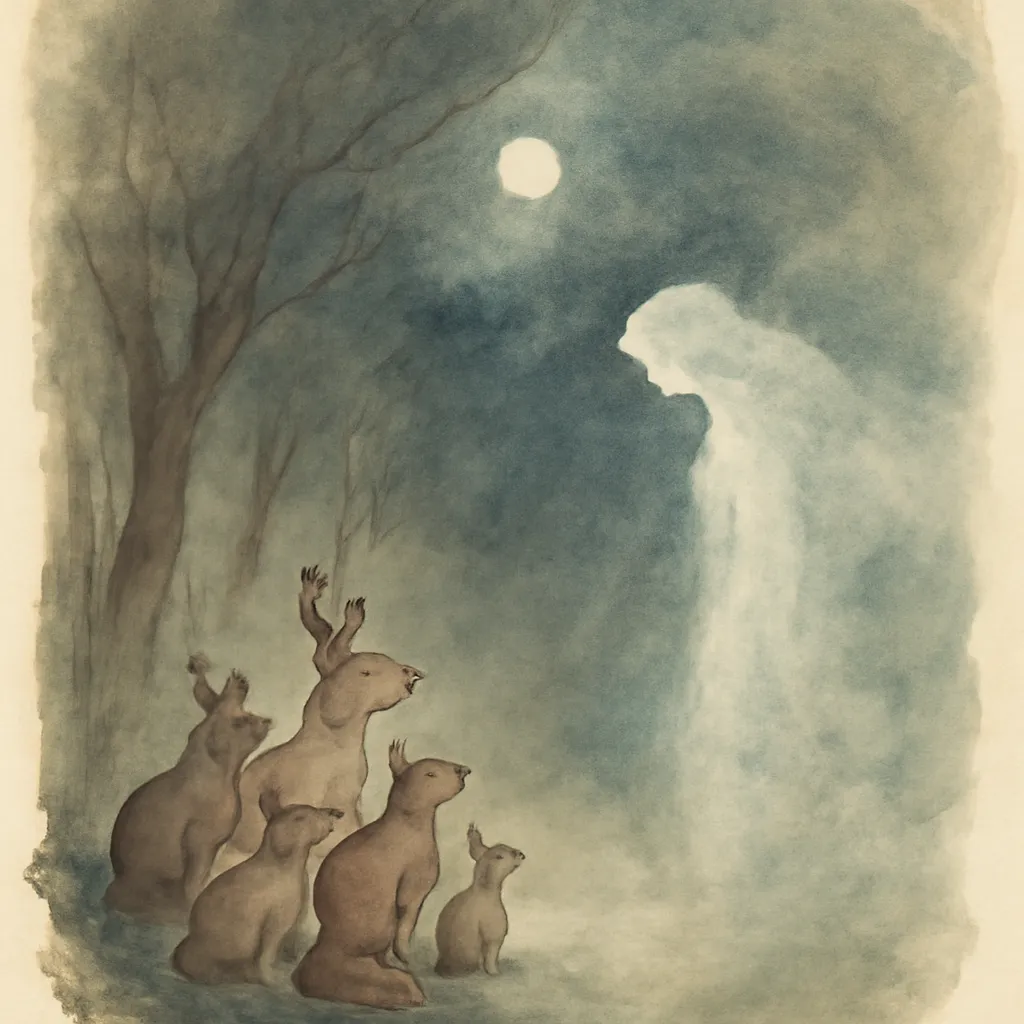
Women in 'Metamorphoses' often undergo significant transformations that highlight their roles within the patriarchal structures of myth. Characters like Io, Daphne, and Callisto are subjected to the whims of male gods, reflecting the vulnerabilities and struggles faced by women in a male-dominated society. Their transformations often serve as both punishment and protection, as seen in the case of Callisto, who is turned into a bear and later placed among the stars. The duality of these metamorphoses sheds light on the restrictive societal norms imposed on women and the ways in which they navigate their identities. Additionally, characters like Medea, who wield their own forms of power and autonomy, complicate the narrative, presenting a spectrum of female experiences. Ovid's exploration of these themes invites readers to consider the implications of gender in mythology and the enduring relevance of these stories in contemporary discussions about women's rights and empowerment.
9.The Tragic Consequences of Jealousy
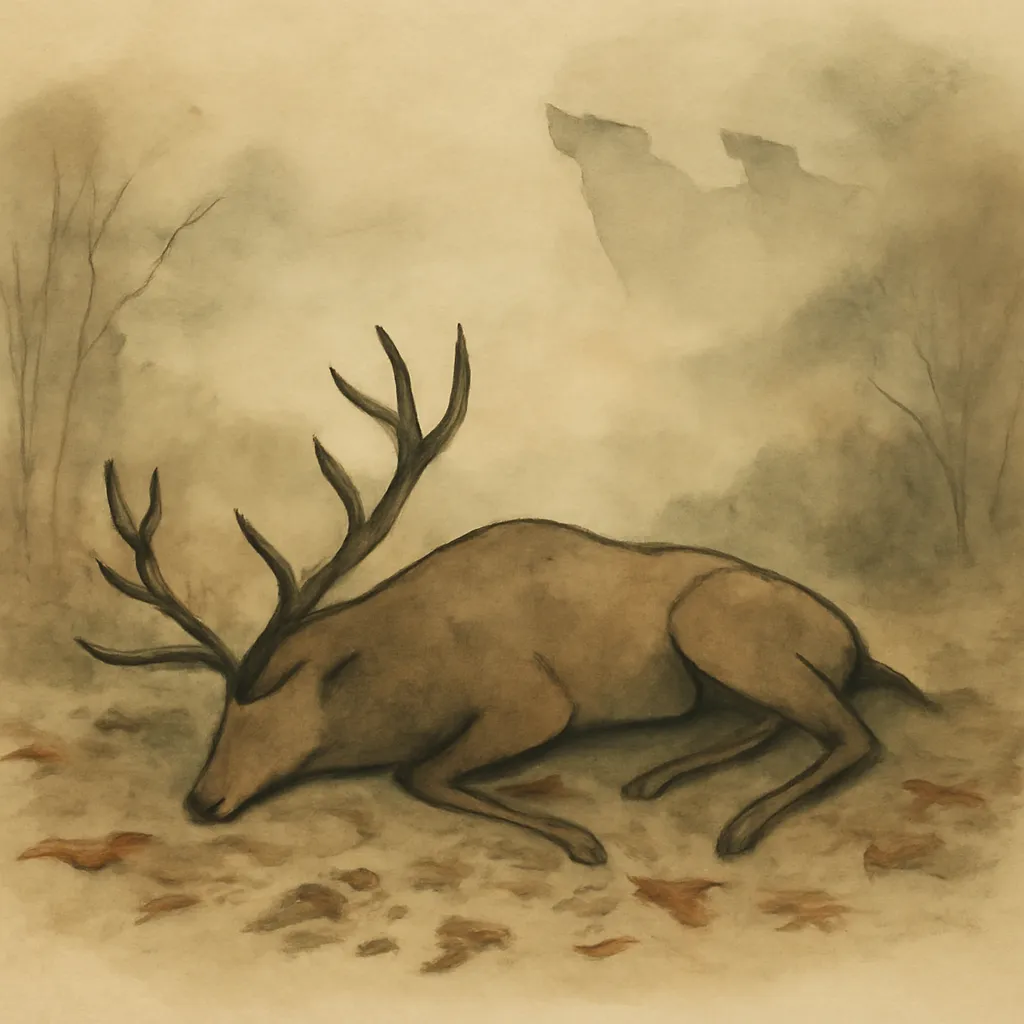
Jealousy emerges as a destructive force in many of Ovid's tales, leading to tragic outcomes for both gods and mortals. The transformation of Actæon into a stag serves as a stark reminder of the dangers of jealousy and its capacity to obliterate lives. Actæon's fate, torn apart by his own hounds, exemplifies how jealousy can lead to irreversible consequences, reflecting not only divine retribution but also the darker aspects of human emotion. Juno's jealousy over Jupiter’s infidelities manifests in her vengeful actions against his lovers, creating a cycle of suffering that reverberates throughout the narratives. The jealousy that drives characters to act irrationally often results in catastrophic transformations, serving as a cautionary tale about the emotional turmoil that unchecked jealousy can inflict on individuals and their relationships. Through these narratives, Ovid highlights the destructive potential of jealousy, urging readers to reflect on its impact within their own lives.
10.The Enduring Legacy of Myth
Ovid’s 'Metamorphoses' captures the essence of myth as a reflection of human experience, offering insights into the timeless themes of love, loss, and transformation. The work’s rich tapestry of interconnected stories illustrates how myths serve as vehicles for understanding the complexities of life and the human condition. Each tale resonates with universal truths, allowing readers across generations to find relevance in their own lives. The enduring legacy of these myths lies in their ability to transcend cultural boundaries, providing a shared language for exploring the intricacies of existence. Ovid’s masterful storytelling ensures that these transformations remain a significant part of literary heritage, inspiring future generations to engage with the power of myth. The tales invite readers to not only appreciate the beauty of the narratives but also to reflect on their own transformations and the lessons embedded within these timeless stories.