Fiction · Interpersonal relations · Self-realization
The Ministry of Utmost Happiness by Arundhati Roy — Summary, Key Ideas & Quotes
2017464 pages✦ 3-min Big ideas★ 3.9 (9)
Rate it
"An epic novel of love and history and the perseverance of the human spirit in the face of loss and tragedy"--
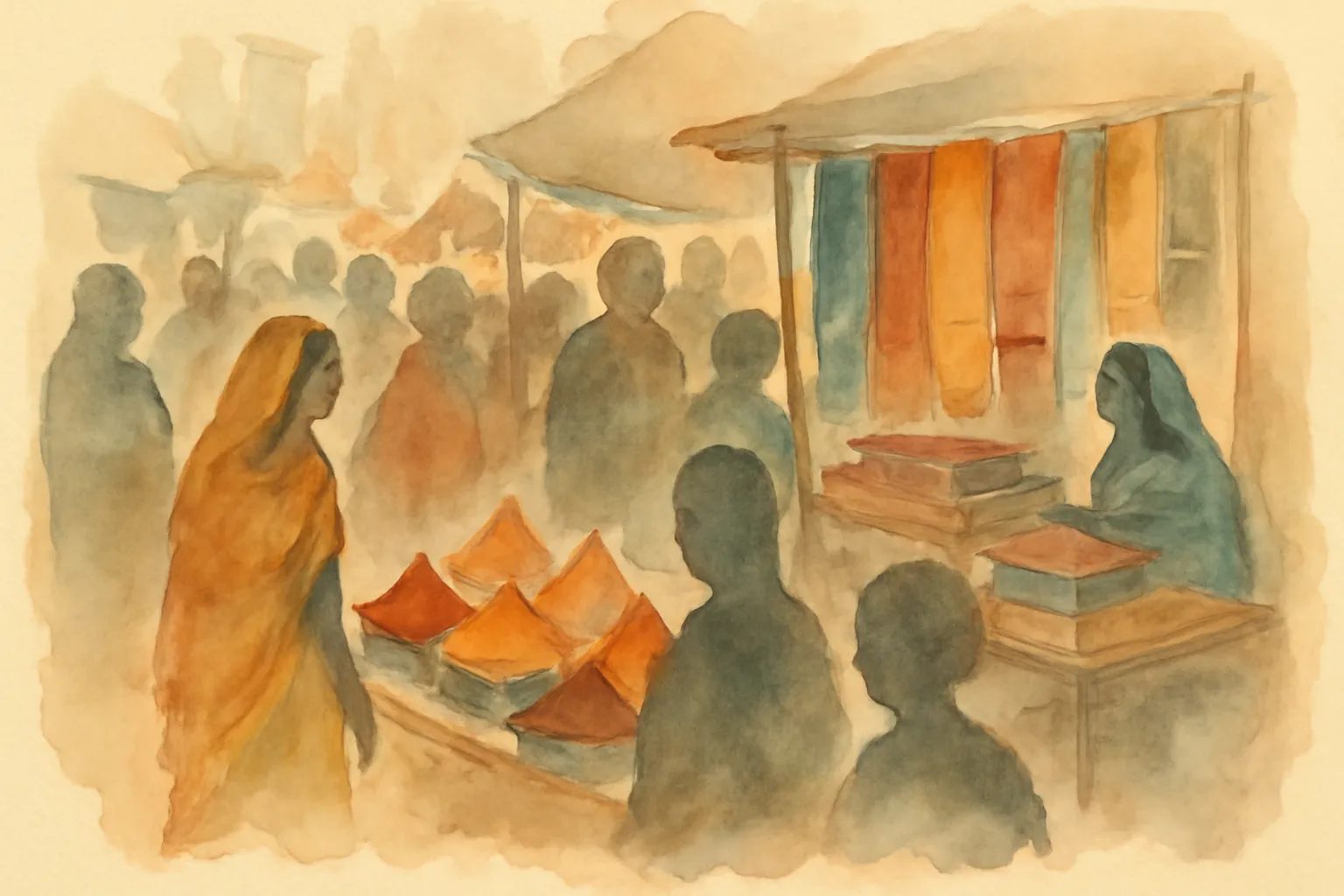
Roy’s novel is structured as a tapestry of interwoven lives, each representing a different facet of Indian society. From Anjum, a transgender woman who builds a sanctuary in a graveyard, to Tilo, a woman entangled in political unrest, the book refuses a single protagonist or perspective. This multiplicity reflects the complexity of India itself, challenging readers to see the interconnectedness of personal and political histories. The shifting voices and timelines demand engagement and patience, rewarding the reader with a rich, polyphonic narrative.
At its heart, the novel is a meditation on what it means to belong—or not belong—in a society riven by caste, religion, gender, and politics. Roy foregrounds characters who live on the margins: hijras (transgender people), Dalits, Muslims, and political dissidents. Their struggles for dignity and recognition expose the violence of exclusion and the ways in which society polices identity. Yet, through the creation of alternative spaces and chosen families, the book also explores how new forms of belonging and community can emerge.
“She lived in the graveyard like a tree.”
“The only dream worth having... is to dream that you will live while you’re alive and die only when you’re dead.”