1.Multiplicity of Voices and Lives
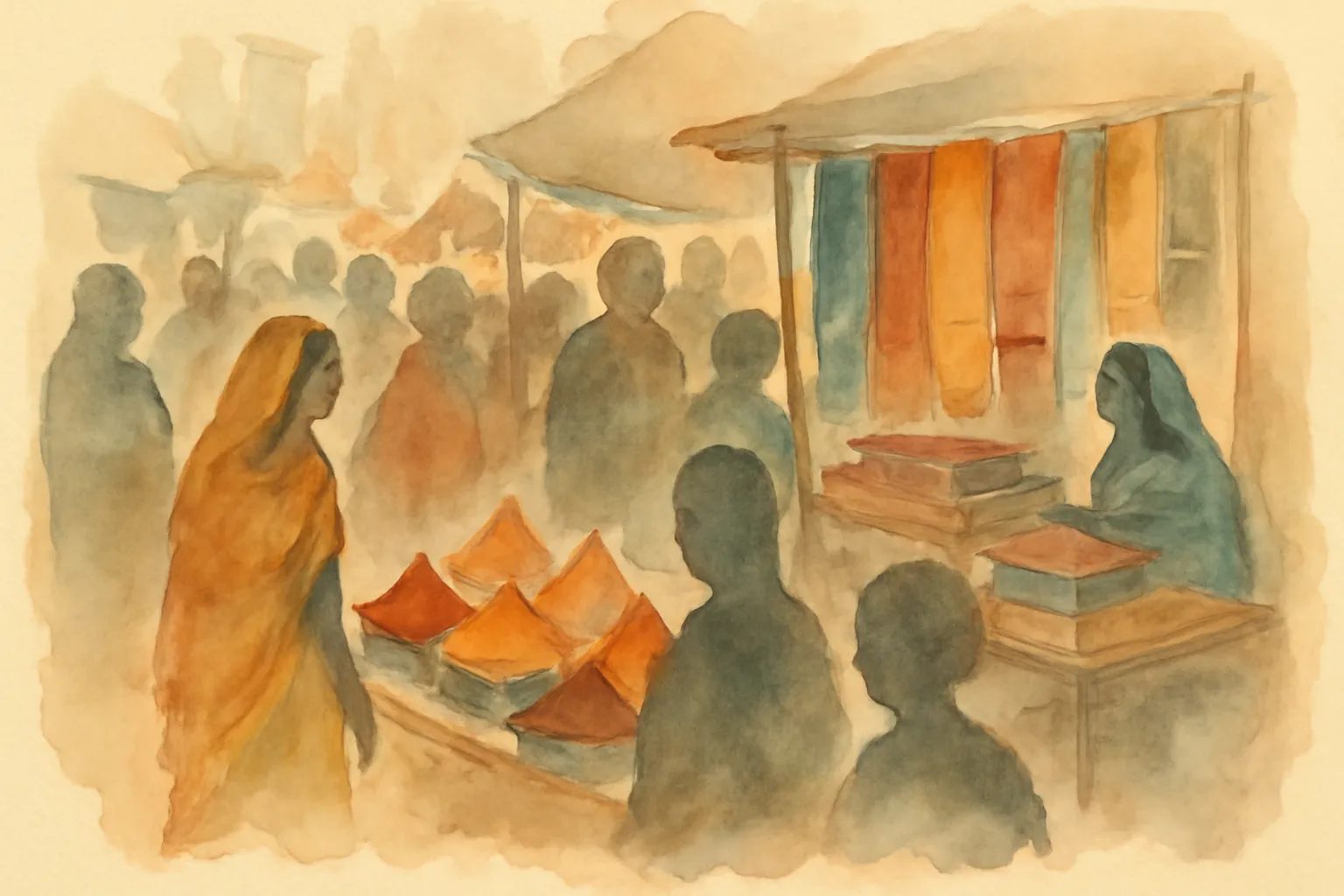
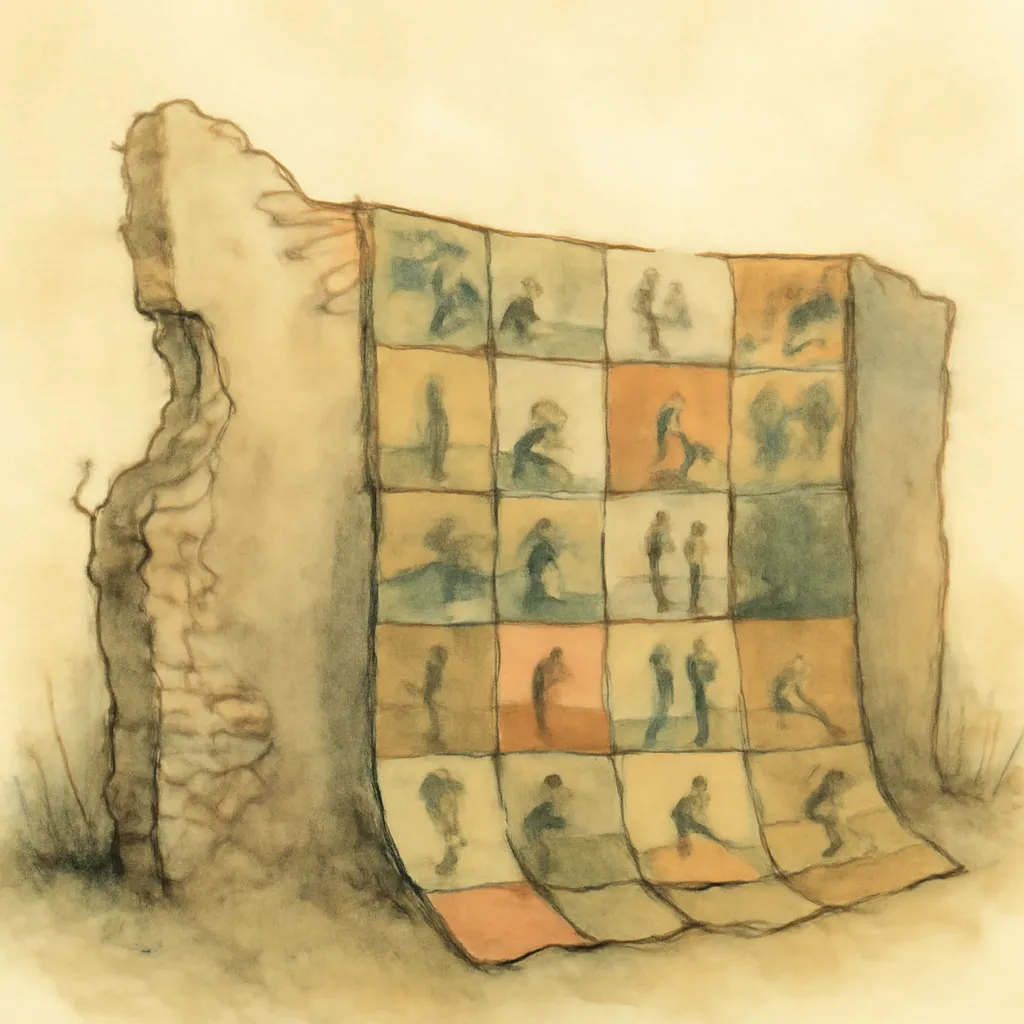
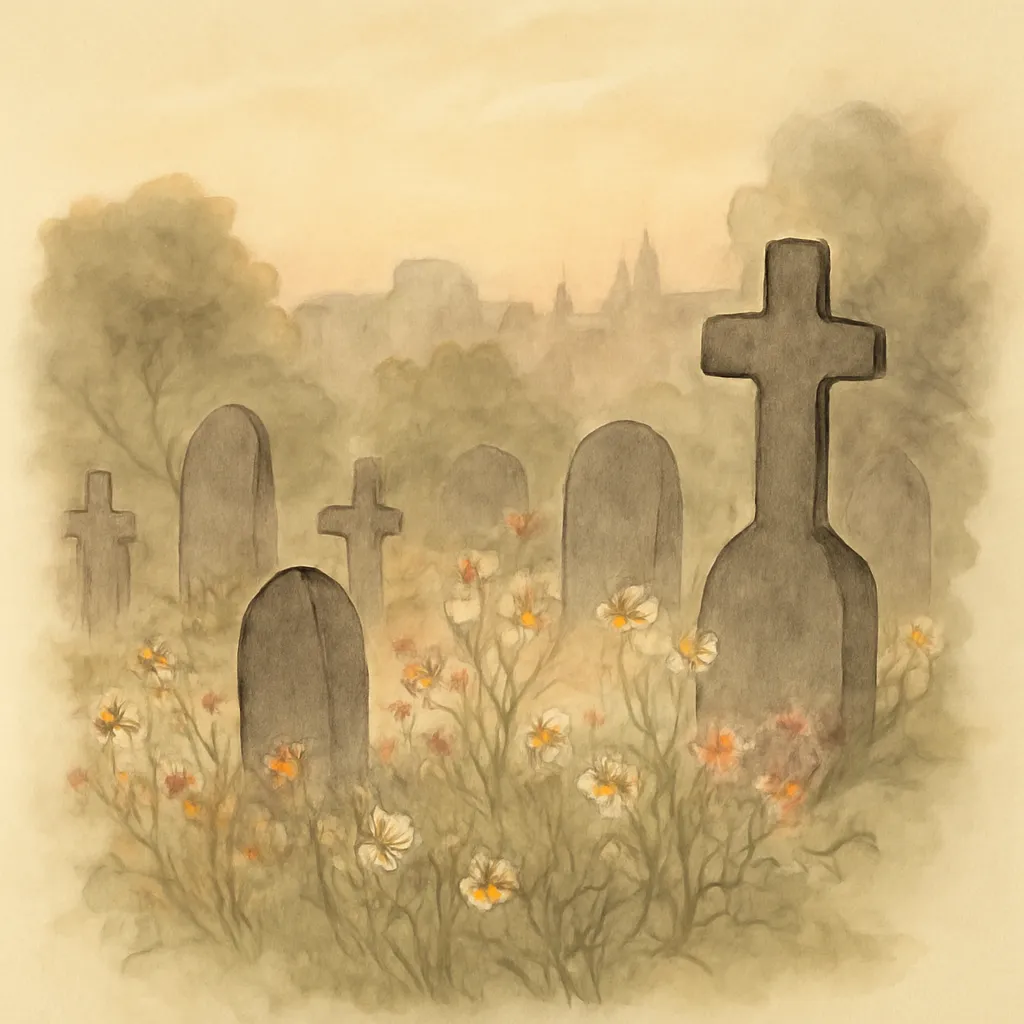
Roy’s novel is structured as a tapestry of interwoven lives, each representing a different facet of Indian society. From Anjum, a transgender woman who builds a sanctuary in a graveyard, to Tilo, a woman entangled in political unrest, the book refuses a single protagonist or perspective. This multiplicity reflects the complexity of India itself, challenging readers to see the interconnectedness of personal and political histories. The shifting voices and timelines demand engagement and patience, rewarding the reader with a rich, polyphonic narrative.
2.Marginalization and Belonging
At its heart, the novel is a meditation on what it means to belong—or not belong—in a society riven by caste, religion, gender, and politics. Roy foregrounds characters who live on the margins: hijras (transgender people), Dalits, Muslims, and political dissidents. Their struggles for dignity and recognition expose the violence of exclusion and the ways in which society polices identity. Yet, through the creation of alternative spaces and chosen families, the book also explores how new forms of belonging and community can emerge.
3.Political and Historical Backdrop
The Ministry of Utmost Happiness is deeply rooted in the turbulent history of modern India, from the Emergency of the 1970s to the Kashmir conflict and contemporary communal violence. Roy weaves real events and movements into her fiction, blurring the line between reportage and storytelling. The novel critiques the failures of the state and the persistence of injustice, making it as much a political statement as a work of art. For readers interested in the intersection of personal stories and national trauma, the book offers a powerful lens.
4.Resilience and the Human Spirit
Despite the pervasive suffering depicted, the novel is ultimately about the endurance of hope and the human capacity for compassion. Characters survive loss, violence, and betrayal, yet continue to seek love, beauty, and meaning. Roy’s lyrical prose elevates their struggles, suggesting that even in the bleakest circumstances, moments of grace and connection are possible. This resilience is not naïve optimism, but a hard-won affirmation of life against the odds.
5.Form as Resistance
Roy’s unconventional narrative structure—fragmented, nonlinear, and sprawling—is itself a form of resistance to traditional storytelling. By refusing neat resolutions and embracing ambiguity, she mirrors the chaos and unpredictability of the world she depicts. This experimental form may challenge readers, but it also opens up new possibilities for empathy and understanding, allowing marginalized voices to speak on their own terms.
6.Nature and the Sacred
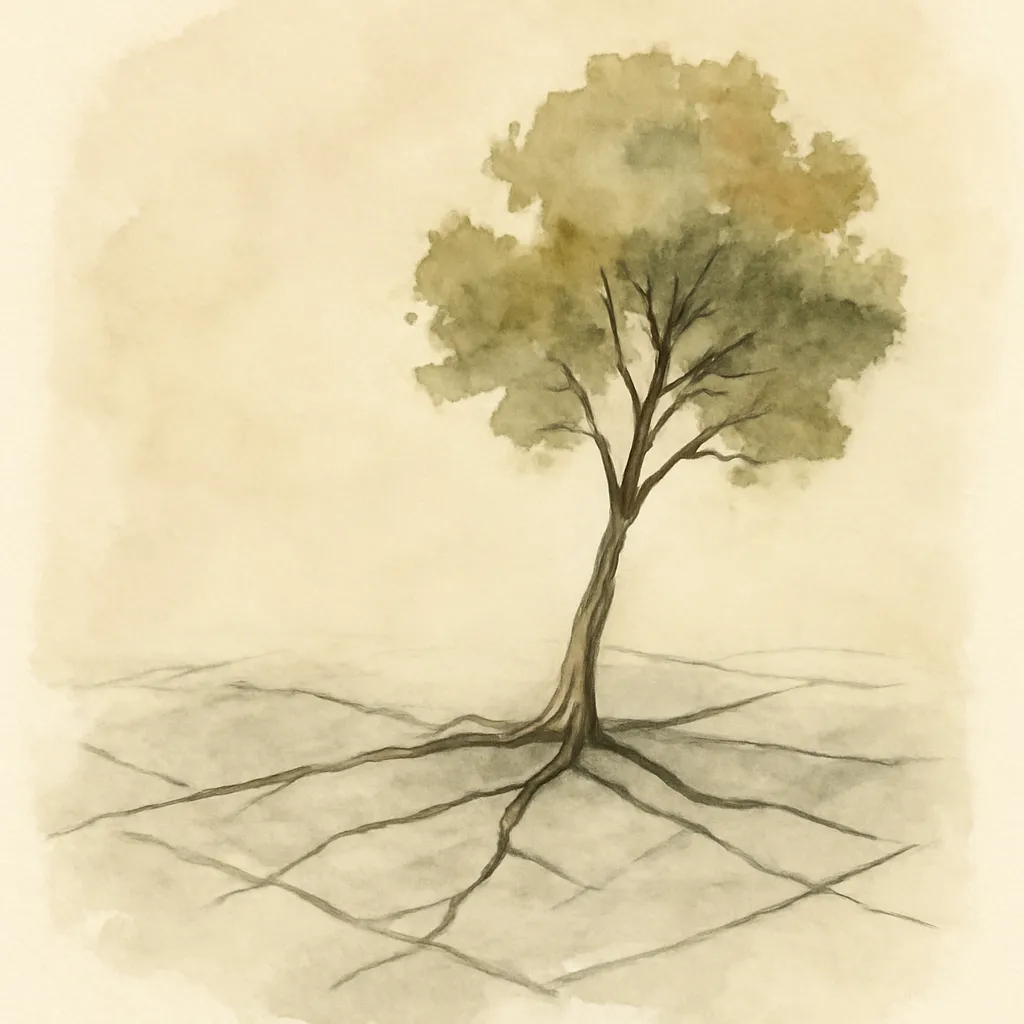
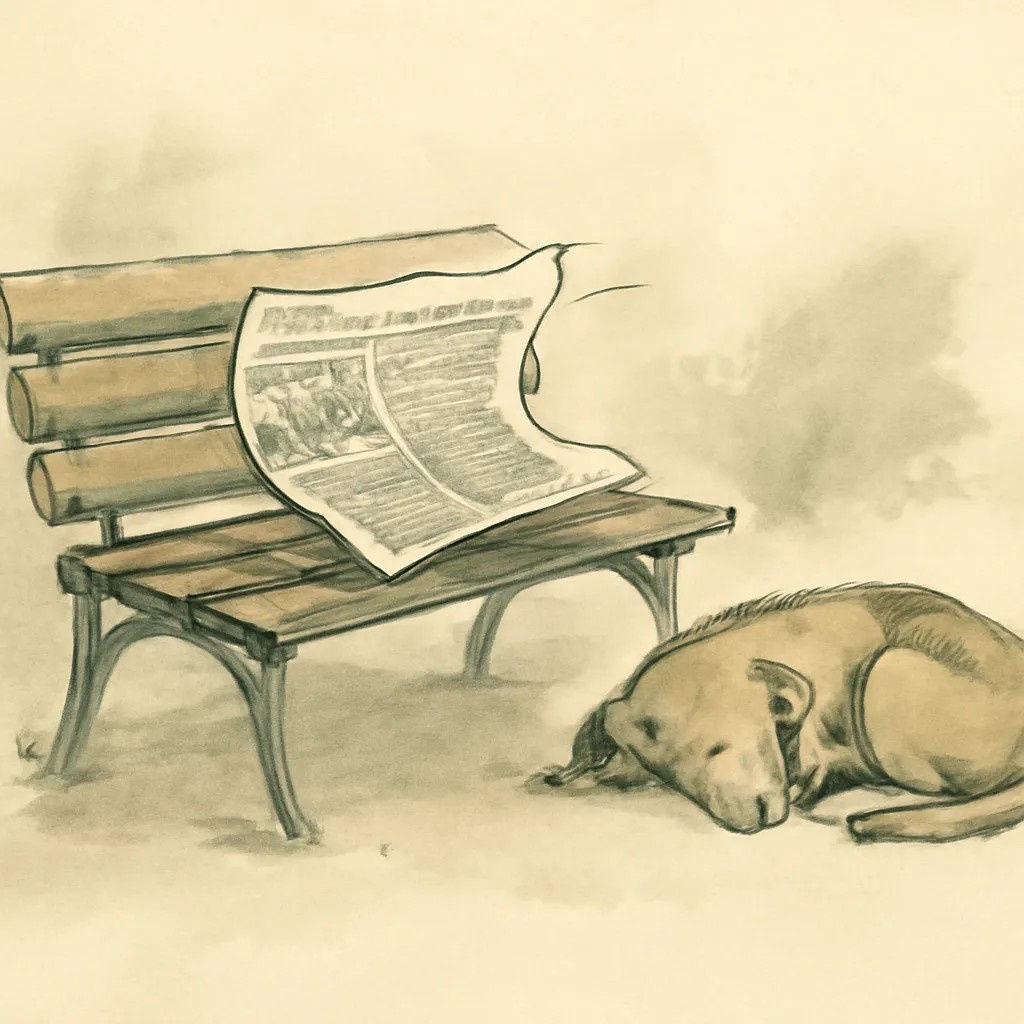
Amid the urban turmoil and political violence, Roy returns again and again to the natural world and the sacred. The graveyard, animals, and the rhythms of the earth offer solace and continuity. These elements serve as reminders of the possibility of renewal and the persistence of the sacred in everyday life, even as institutions fail and societies fracture.