
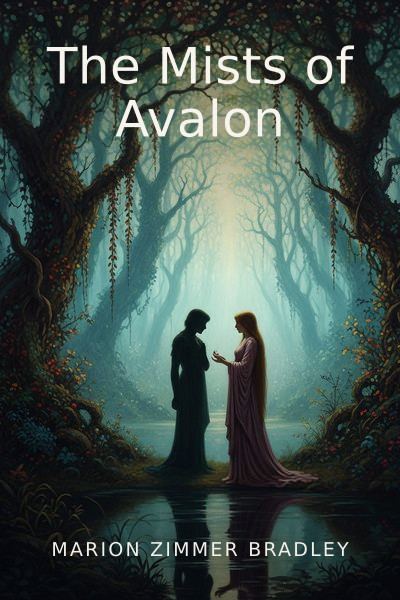
England, fiction · Fiction, fantasy, historical · Arthur, king, fiction
The Mists of Avalon by Marion Zimmer Bradley — Summary, Key Ideas & Quotes
1979876 pages✦ 3-min Big ideas★ 3.8 (36)
Rate it
When Morgan le Fay (Morgaine) has to sacrifice her virginity during fertility rites, the man who impregnates her is her younger brother Arthur, who she turns against when she thinks he has betrayed the old religion of Avalon.
Bradley transforms the well-known tales of King Arthur by centering the narrative on Morgaine (Morgan le Fay), Gwenhwyfar (Guinevere), and other pivotal women. Instead of mere supporting roles, these women are agents of destiny, wrestling with personal ambition, love, and faith. The novel interrogates the cost of female power in a patriarchal society and exposes the emotional and political complexities often overlooked in male-dominated retellings.
At its core, the novel dramatizes the struggle between the fading pagan traditions of Avalon and the rising tide of Christianity in Britain. Through the personal journeys of its characters, Bradley explores how spiritual beliefs shape identity, politics, and social change. The tension between the mystical, earth-centered practices of Avalon and the ascendant Christian worldview is not just a backdrop but a driving force that determines the fate of individuals and the realm itself.
“In the end, the only thing that matters is what you believe.”
“The world of men is not the world of the Goddess.”