1.A Feminist Retelling of Arthurian Legend
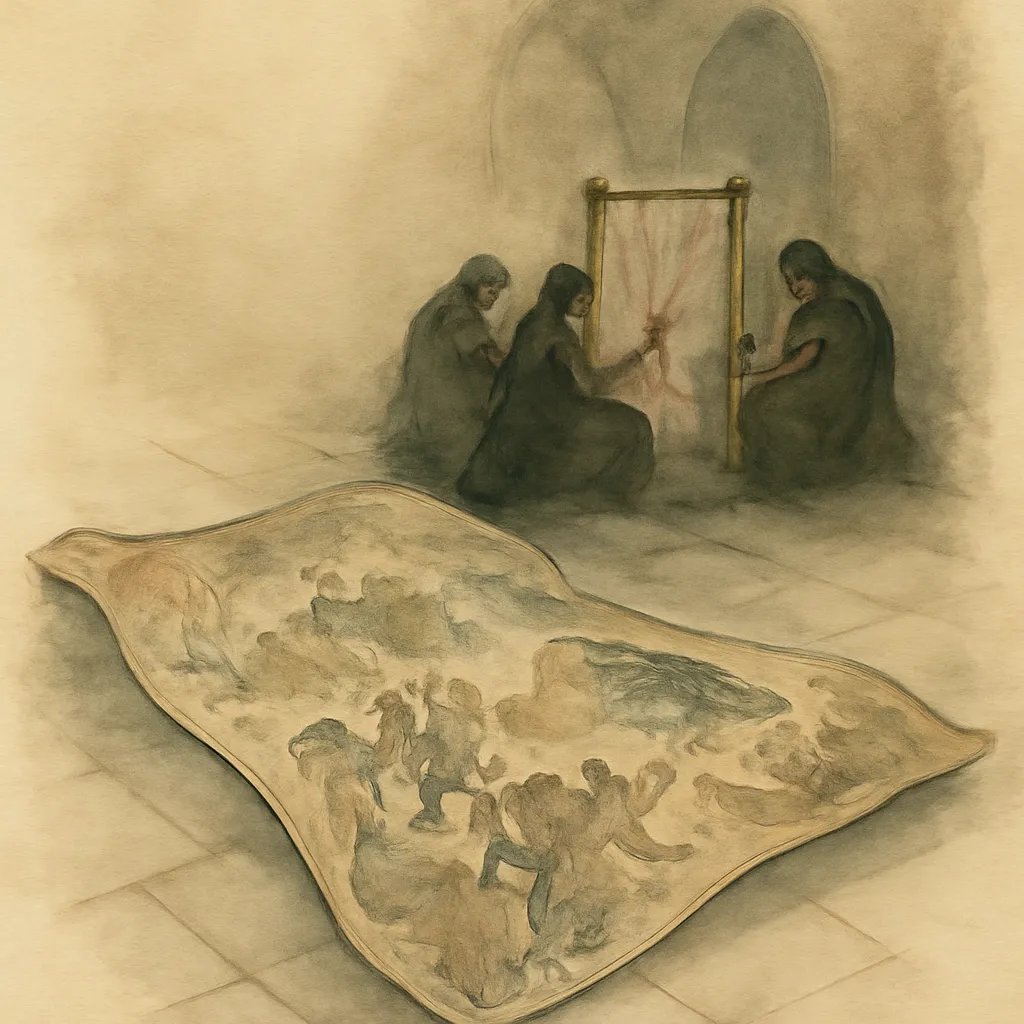
Bradley transforms the well-known tales of King Arthur by centering the narrative on Morgaine (Morgan le Fay), Gwenhwyfar (Guinevere), and other pivotal women. Instead of mere supporting roles, these women are agents of destiny, wrestling with personal ambition, love, and faith. The novel interrogates the cost of female power in a patriarchal society and exposes the emotional and political complexities often overlooked in male-dominated retellings.
2.The Clash of Religions and Worldviews
At its core, the novel dramatizes the struggle between the fading pagan traditions of Avalon and the rising tide of Christianity in Britain. Through the personal journeys of its characters, Bradley explores how spiritual beliefs shape identity, politics, and social change. The tension between the mystical, earth-centered practices of Avalon and the ascendant Christian worldview is not just a backdrop but a driving force that determines the fate of individuals and the realm itself.
3.Ambiguity of Good and Evil
Bradley blurs the lines between heroes and villains, presenting characters like Morgaine and Arthur as deeply human, with motives that are understandable even when their actions are tragic. The novel resists simple moral binaries, instead portraying the Arthurian world as one where every choice has consequences and even the noblest intentions can lead to suffering. This moral complexity invites readers to question inherited legends and see familiar figures in a new light.
4.The Power and Price of Magic
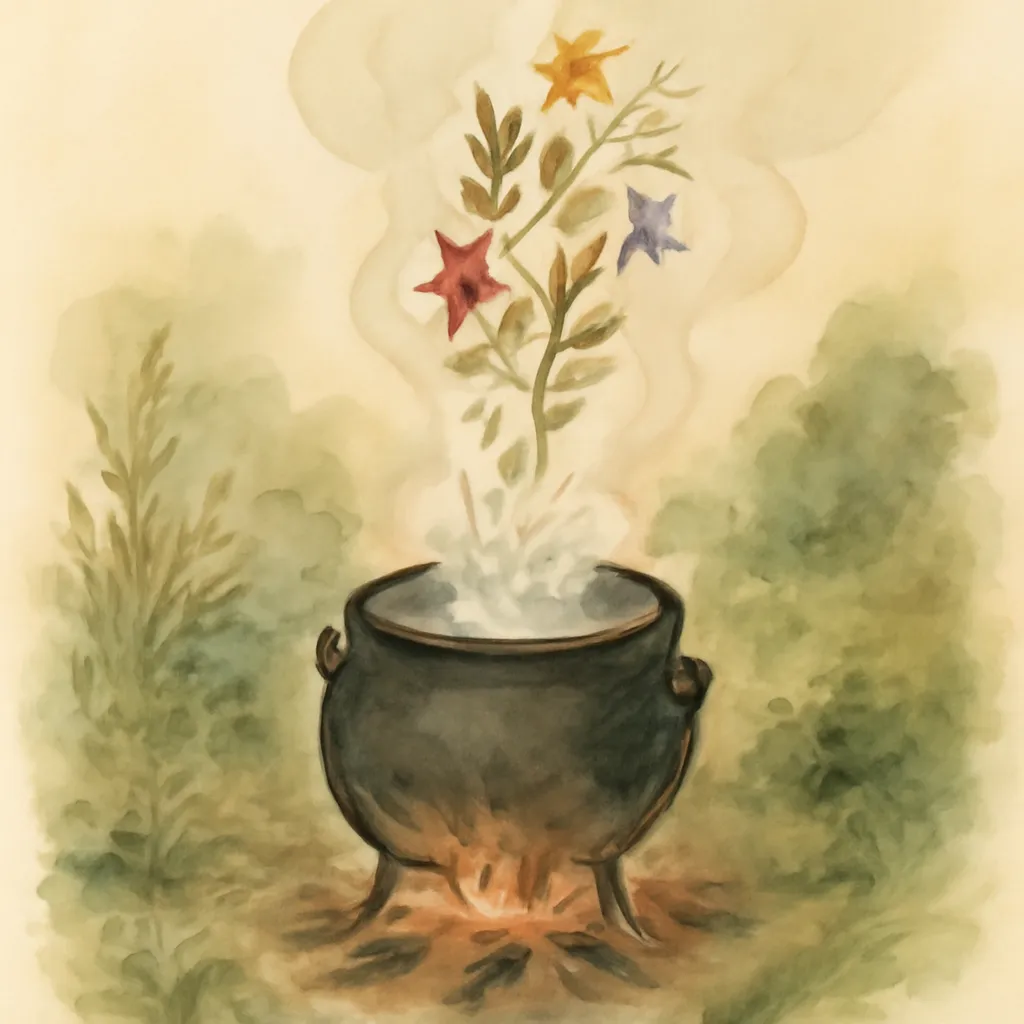
Magic in The Mists of Avalon is both a literal and metaphorical force—rooted in the sacred feminine, ritual, and the mysteries of nature. Yet, magic comes at a cost, demanding sacrifice, secrecy, and sometimes heartbreak. The novel examines how the wielding of magical power intersects with gender, spirituality, and the struggle for autonomy, especially as the old ways are threatened by the encroaching new order.
5.Family, Loyalty, and Betrayal
Family ties in the novel are fraught with complexity, especially as Morgaine and Arthur become pawns in religious and political games. The story delves into the pain of divided loyalties—between kin, lovers, and causes—and the devastating impact of betrayal, both personal and ideological. These themes underscore the human cost of mythic destinies and the tragic inevitability of loss in the pursuit of power or principle.
6.The Role of Fate and Free Will
Bradley’s narrative constantly questions to what extent the characters are masters of their own destinies. Prophecy, ritual, and the expectations of the gods and society all shape the characters’ paths, but the story also highlights moments of agency and rebellion. This tension between fate and free will adds depth to the characters’ struggles and to the enduring appeal of Arthurian legend.