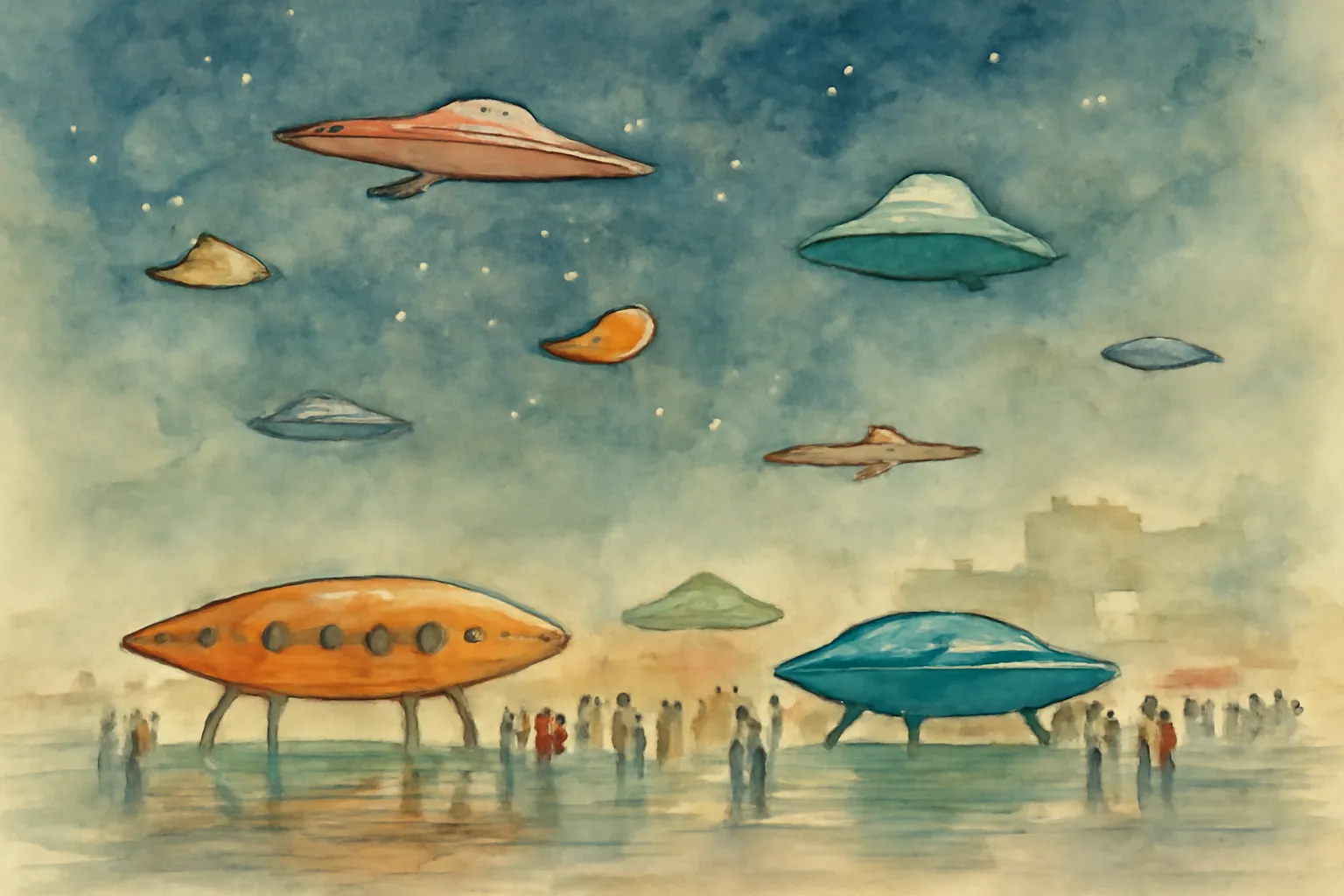
The Colors of Space invites readers into a richly imagined universe where the lines between human and alien blur, questioning the very nature of identity, trust, and survival. At the heart of this science fiction tale lies Bart Steele, a young man thrust into a dangerous world after his father becomes a fugitive. As Bart navigates Lhari spaceports and encounters diverse alien species, he grapples with his heritage, the complexities of interstellar politics, and his place in a universe filled with wonder and peril. This book not only explores thrilling adventures but also delves into profound themes of belonging and moral responsibility, making it a compelling read for anyone fascinated by the intricacies of space and human relationships.
The Colors of Space is more than just an adventurous tale of space exploration; it is a profound exploration of identity, trust, and the complexities of interstellar relations. Through Bart Steele's journey, readers are invited to reflect on their own understanding of self and others, as well as the ethical dilemmas that arise in the face of power and survival. The narrative challenges us to confront our fears and prejudices while celebrating the beauty of diversity and the strength found in connection. Ultimately, it leaves us with the message that the quest for understanding is a journey worth undertaking, one that can lead to unexpected friendships and a deeper appreciation for the vibrant tapestry of life across the cosmos.