1.The Weight of Legacy
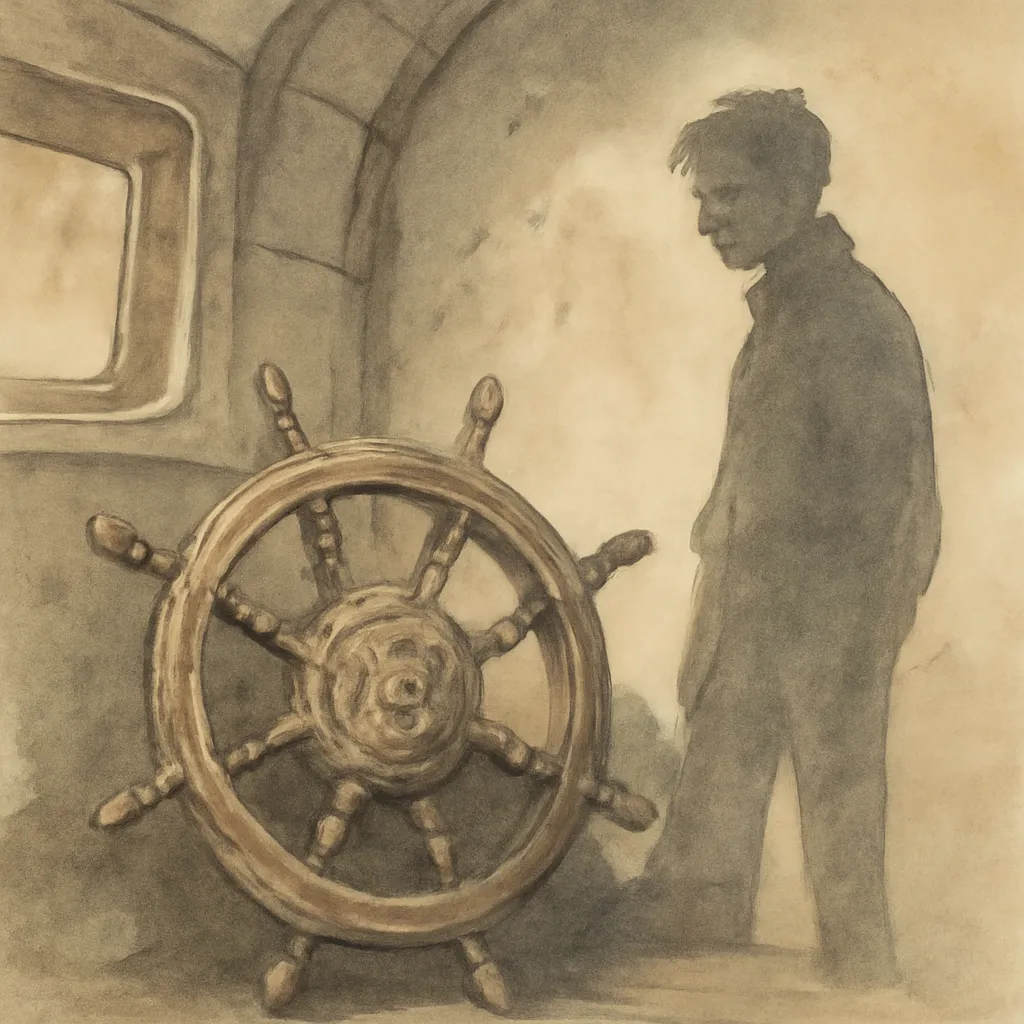
Bart Steele carries the heavy burden of his father's legacy. Captain Rupert Steele is a respected figure in the interstellar community, associated with a fleet of ships that have traveled the stars for generations. This legacy creates immense pressure on Bart, who struggles to reconcile his aspirations with the expectations placed upon him. Initially excited about returning to Earth, he soon realizes that his father's past casts a long shadow over his own identity. This tension between following in his father's footsteps and forging his own path becomes a central conflict in the narrative. As Bart grapples with his father's reputation, readers are invited to reflect on the complexities of parental expectation, the quest for independence, and the desire to honor one's heritage while seeking personal fulfillment.
2.Identity Under Threat
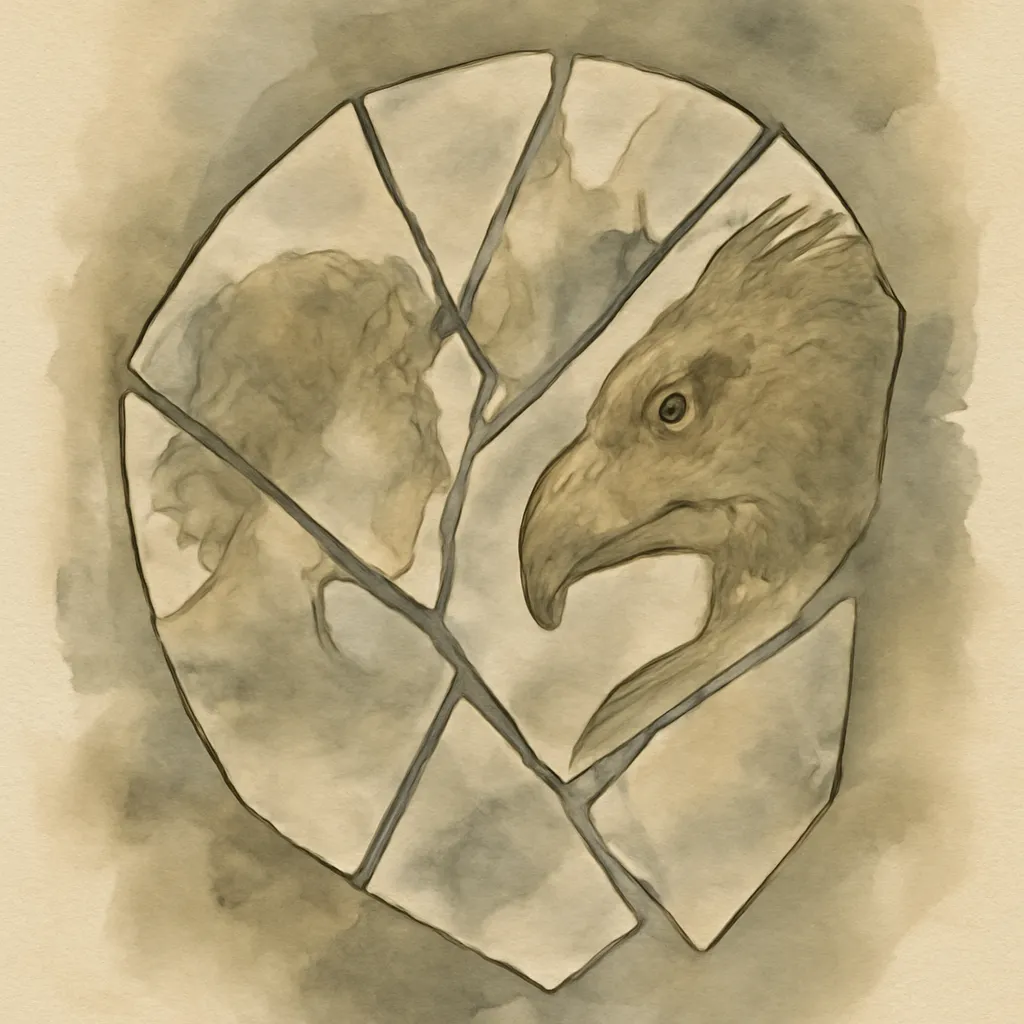
The narrative delves deeply into the fluidity of identity, particularly through Bart's transformation into a figure who must navigate both human and Lhari cultures. After a series of harrowing events, Bart is transformed to resemble a Lhari, leading him to confront the psychological implications of adopting a new identity. This transformation forces him to question the essence of who he is—can he still be considered human if his appearance is altered? The story illustrates that identity is not merely a matter of physical traits but encompasses personal history, experiences, and emotional connections. As Bart interacts with both humans and Lhari, he learns that true identity transcends appearances, prompting readers to consider their own perceptions of self and the impact of societal labels. This exploration raises questions central to understanding identity in an increasingly diverse world.
3.The Complexity of Alien Relationships
Interactions between humans and Lhari serve as a focal point for exploring the complexities of interspecies relationships. Initially, Bart perceives the Lhari as alien and threatening, embodying a stark contrast to human culture. However, as he develops relationships with characters like Ringg, a young Lhari, he learns to see beyond their differences. This evolution in perception highlights the power of empathy and understanding in overcoming fear and prejudice. The narrative emphasizes that friendships can flourish despite initial misconceptions, illustrating the shared emotions and experiences that connect beings across cultural divides. By breaking down stereotypes, The Colors of Space encourages readers to embrace the richness of diversity and the importance of viewing others with an open mind, reminding us that common ground can often be found in the most unlikely of places.
4.Survival and Sacrifice
Survival emerges as a dominant theme throughout Bart's journey, particularly regarding the dangers posed by the Lhari and the sacrifices made by characters close to him. Bart's experiences force him to confront life-threatening situations that test his courage and ingenuity. The narrative showcases moments where characters must make difficult choices, emphasizing that survival often comes at a cost. Bart learns that sometimes protecting others requires personal sacrifice, and these moments deepen the emotional weight of the story. The ethical dilemmas surrounding survival and sacrifice prompt readers to consider the lengths they would go to for the sake of others. This theme resonates throughout the narrative, illustrating that the true measure of a person lies in their willingness to risk everything for the greater good, drawing a parallel to the challenges faced in real life when confronted with moral choices.
5.The Allure of Exploration
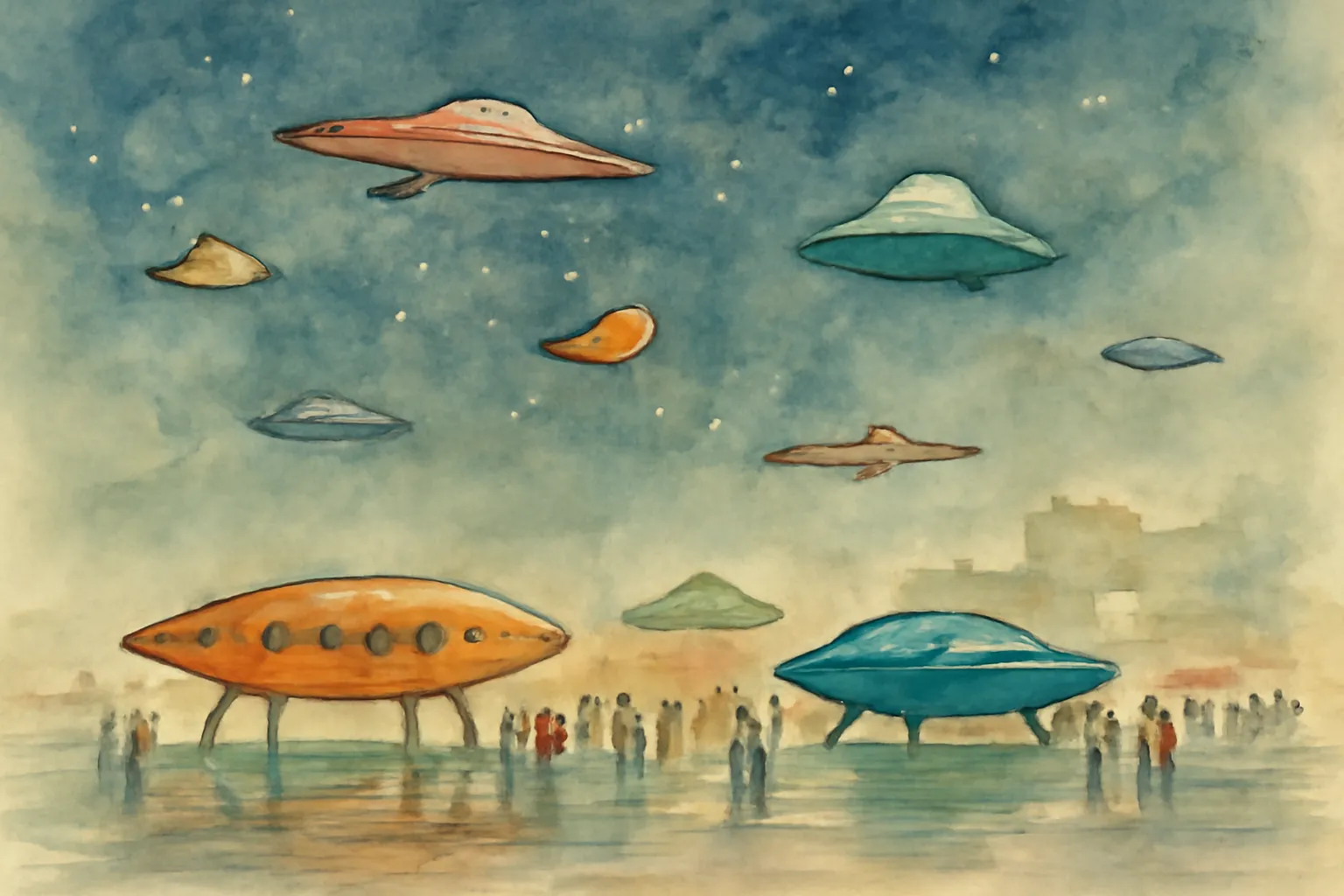
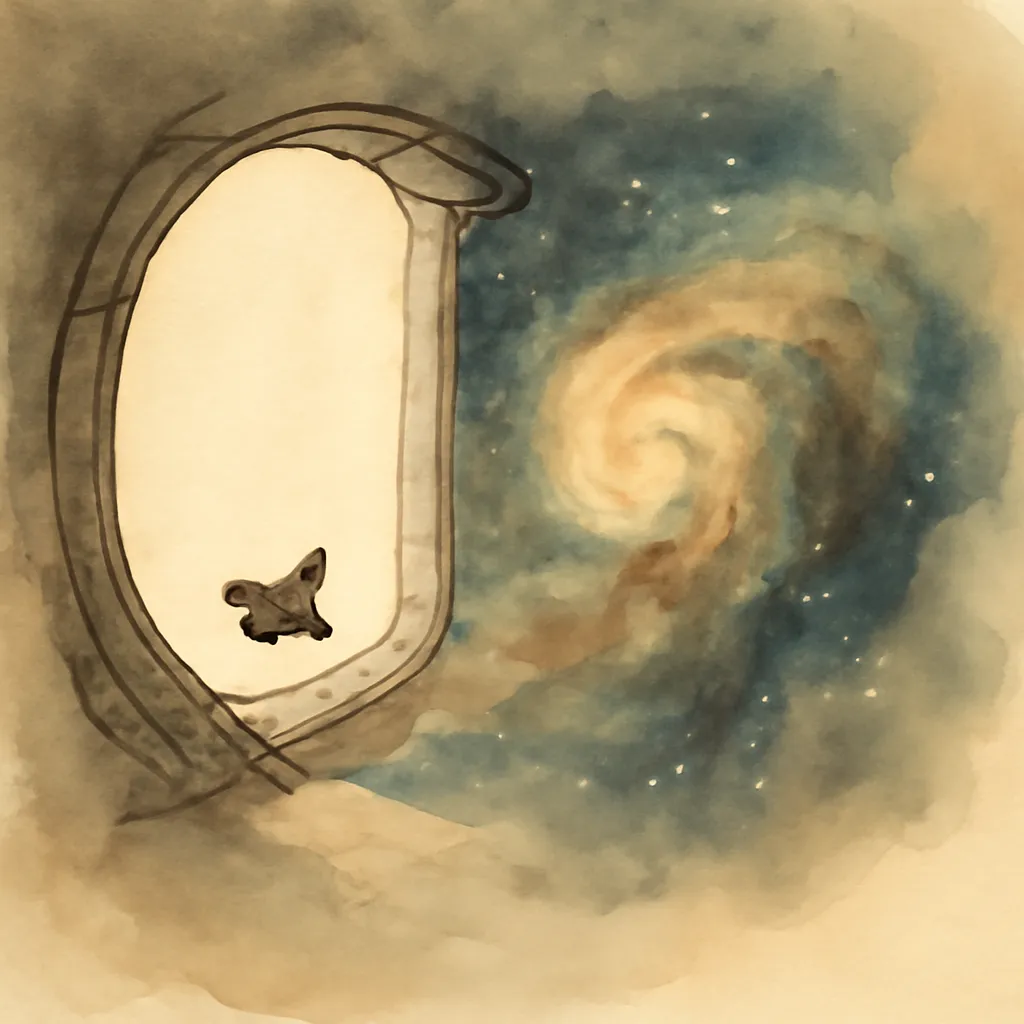
Bradley's universe is painted with the thrill of exploration, adventure, and the continuous quest for knowledge. Bart's journey through various star systems evokes a profound sense of wonder and curiosity about the cosmos. Each new world he visits presents unique challenges and opportunities for discovery, reflecting humanity's innate desire to explore and understand the universe. The narrative captures the essence of exploration as a fundamental aspect of human nature, emphasizing that the unknown is not merely a source of fear but also an invitation to adventure and learning. This theme resonates with readers, encouraging them to embrace their curiosity and consider the vast possibilities that lie beyond their own experiences. Through Bart's eyes, the excitement of deep space exploration is palpable, inviting readers to reflect on their own journeys of discovery and the importance of pursuing knowledge wherever it may lead.
6.The Nature of Trust
Trust proves to be a fragile commodity in Bart's world, where deception lurks at every turn. His interactions with characters like Montano and various Lhari officers highlight the precarious nature of trust in uncertain situations. Bart learns that trust must be carefully cultivated and can be easily shattered, especially when survival is at stake. The narrative emphasizes the challenges of forming genuine connections amid suspicion and danger, forcing characters to navigate a web of loyalties and betrayals. As Bart grapples with these complexities, readers are prompted to reflect on their own experiences with trust and how it shapes relationships. The book explores the uneasy balance between vulnerability and the need for reliable connections, ultimately illustrating that while trust can lead to powerful alliances, it also exposes individuals to potential heartache and betrayal.
7.The Ethics of Power

The power dynamics between the Lhari and humans serve as a backdrop for exploring the ethics of control and authority in the universe. The Lhari's monopoly on warp-drive technology raises critical questions regarding the morality of power and its implications for intergalactic relations. As Bart uncovers the truth behind the Lhari's stranglehold on humanity's technological advancements, he confronts the ethical dilemmas posed by this imbalance of power. The narrative invites readers to consider the ramifications of allowing one group to dominate another, stressing the importance of equity and justice in any societal structure. By examining the consequences of unchecked power, the story highlights the potential for exploitation and suffering, calling for a reexamination of how power is wielded and who benefits from it. This theme serves as a reminder of the historical parallels present in our own world, where questions of power and responsibility remain ever relevant.
8.The Role of Mentorians
The Mentorians are portrayed as a unique group capable of enduring Lhari light, serving as cultural intermediaries between humans and Lhari. Their presence in the narrative emphasizes themes of cooperation and coexistence, demonstrating how individuals from different backgrounds can come together for a common purpose. Through characters like Raynor Three, readers gain insights into the rich tapestry of Mentorian culture and their vital role in the interstellar community. The Mentorians' ability to navigate both human and Lhari worlds showcases the strength found in diversity, allowing them to bridge cultural gaps and foster connections. This theme underscores the notion that collaboration across cultural divides can lead to innovation and understanding, encouraging readers to appreciate the value of diversity in their own lives and communities.
9.Courage in the Face of Fear
Courage is a vital theme that permeates the narrative as characters confront their fears and uncertainties. Bart's journey is marked by moments of trepidation, whether facing the Lhari or grappling with the moral complexities of his actions. However, he learns that true courage is not the absence of fear but the ability to act despite it. This lesson is reflected in the actions of other characters who risk their lives for Bart’s safety, showcasing that bravery often manifests in unexpected ways. The book illustrates that courage can take many forms, from standing up for one's beliefs to protecting loved ones, resonating with readers who may draw parallels to their own experiences. This exploration of courage encourages readers to find strength within themselves when faced with adversity, reinforcing the idea that extraordinary acts of bravery can emerge from ordinary circumstances.
10.The Journey Toward Understanding

At its core, The Colors of Space is a narrative about the journey toward understanding oneself and others. Bart's experiences compel him to confront his preconceived notions about identity, culture, and the universe at large. Through his interactions with a diverse array of characters, he learns that true understanding requires empathy and an openness to new experiences. This transformative journey serves as a reminder that the quest for understanding is a lifelong endeavor, one that enriches our lives and fosters connections across differences. The narrative ultimately emphasizes that while the journey may be fraught with challenges, it is through these experiences that we grow, learn, and cultivate deeper relationships with those around us. Bart's evolution from a sheltered boy to a young man aware of the complexity of the universe encapsulates the book's message that understanding is not simply about knowledge but about the willingness to listen and learn from one another.