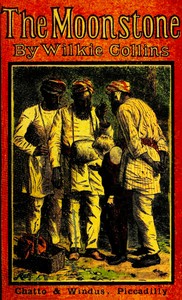

A cursed diamond vanishes on a stormy night — widely held as the first great English detective novel.
Read full overviewShow less›
Wilkie Collins’ 'The Moonstone' is often hailed as the first detective novel, weaving a rich tapestry of intrigue, betrayal, and the clash of cultures. The narrative revolves around a precious diamond, stolen from its rightful place in India, and the ensuing chaos that unfolds in a Yorkshire estate as various characters grapple with their own motives and secrets. Through a series of first-person accounts, the reader is drawn into a complex web of relationships and suspicions, making it a thrilling exploration of human nature. As each character presents their perspective, the truth becomes increasingly elusive, reflecting the multifaceted nature of reality itself. This summary delves deep into the motivations, themes, and character dynamics that make 'The Moonstone' a timeless classic.
Wilkie Collins' 'The Moonstone' transcends the boundaries of a mere detective novel, offering profound insights into human nature, societal norms, and the consequences of colonialism. Through its intricate narrative structure, rich character development, and exploration of themes such as guilt, ambition, and cultural conflict, the novel remains a timeless examination of morality and the complexities of truth. The interplay between the characters and their motivations invites readers to reflect on their own values and the broader implications of their actions. As a pioneering work in the detective genre, 'The Moonstone' continues to resonate, reminding us that the pursuit of truth is often as elusive as the treasures we seek.
- 1The Origin of the Moonstone
- 2A Family Divided
- 3The Role of Women
- 4Narrative Structure and Perspective
- 5Sergeant Cuff: The Archetypal Detective
A glimpse inside

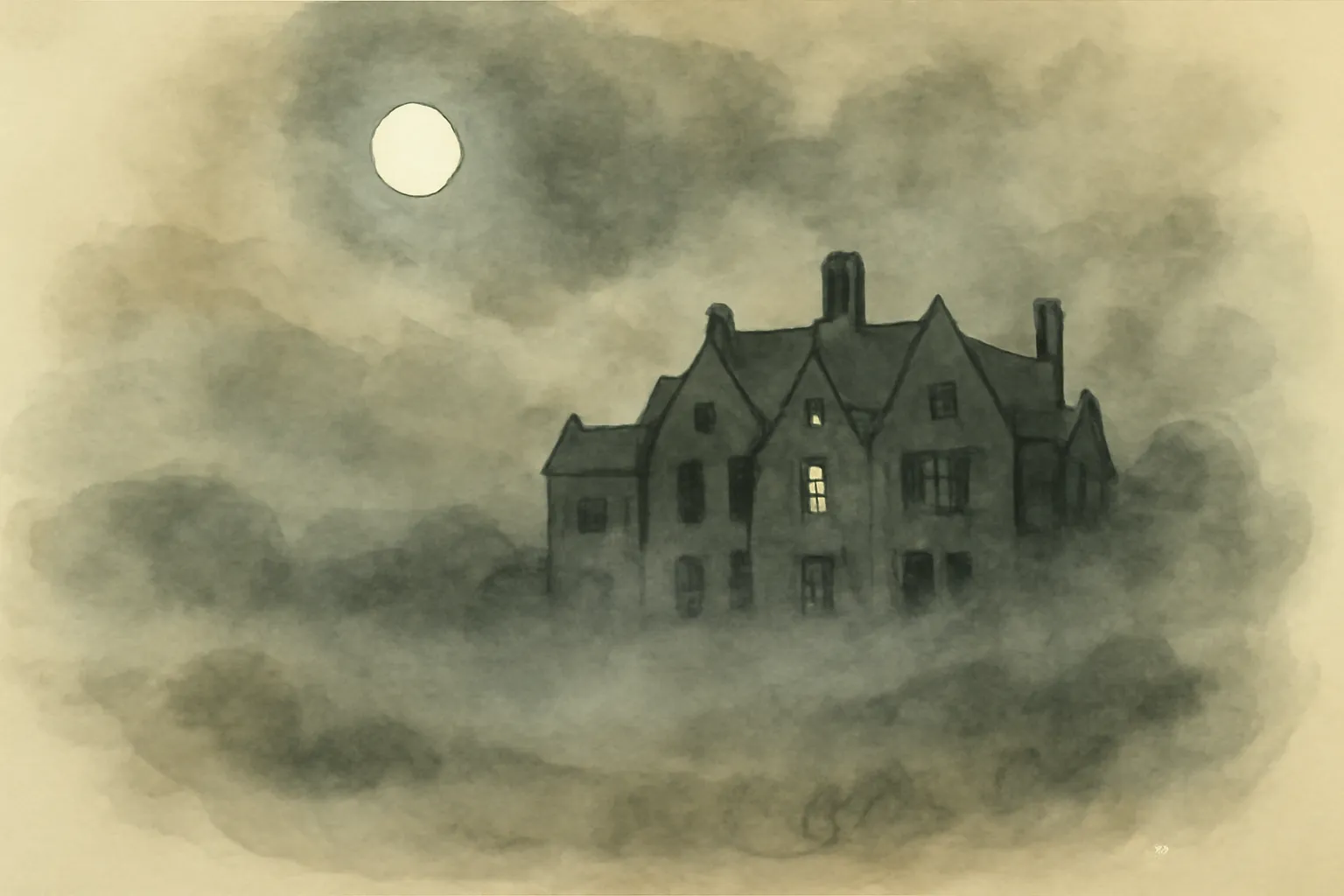
The Moonstone's backstory is steeped in legend, originating from India where it was enshrined in the forehead of a sacred deity. Read moreThe Moonstone's backstory is steeped in legend, originating from India where it was enshrined in the forehead of a sacred deity. This diamond, said to possess supernatural qualities that reflect the phases of the moon, becomes a symbol of colonial exploitation. When the British forces stormed the city of Seringapatam, the stone was taken as a trophy, representing the conquest of a culture and its treasures. This act of theft not only sets the stage for the novel’s events but also serves as a commentary on the moral implications of imperialism. The diamond, therefore, is not merely a valuable gem; it embodies the complex relationship between the colonizers and the colonized, hinting at the cultural and spiritual loss suffered by the Indian people. Show less
The narrative is propelled by the conflict between the protagonist, Franklin Blake, and his cousin, John Herncastle. Their family history is fraught with tension, stemmin… Read moreThe narrative is propelled by the conflict between the protagonist, Franklin Blake, and his cousin, John Herncastle. Their family history is fraught with tension, stemming from Herncastle's claim to have rightful ownership of the Moonstone, a legacy that Franklin inherits. This familial discord is emblematic of the broader themes of loyalty and betrayal that permeate the story. As Franklin seeks to clear the names of his innocent relatives implicated in the diamond's theft, the familial bond is tested against personal ambition and moral integrity. The character of Herncastle, representing the darker aspects of familial duty and greed, illustrates how personal relationships can become corrupted by wealth and desire, prompting readers to reflect on the true cost of familial loyalty. Show less
Read the full text — free
About the author
Wilkie Collins has 2 works free to read on Lumina, including The Woman in White.
All 2 books by Wilkie Collins →Frequently asked
Worlds to get lost in
Take Lumina everywhere
Read offline, listen to AI summaries, speed-read, and sync your progress across devices — free on iPhone.
Download for iPhone