
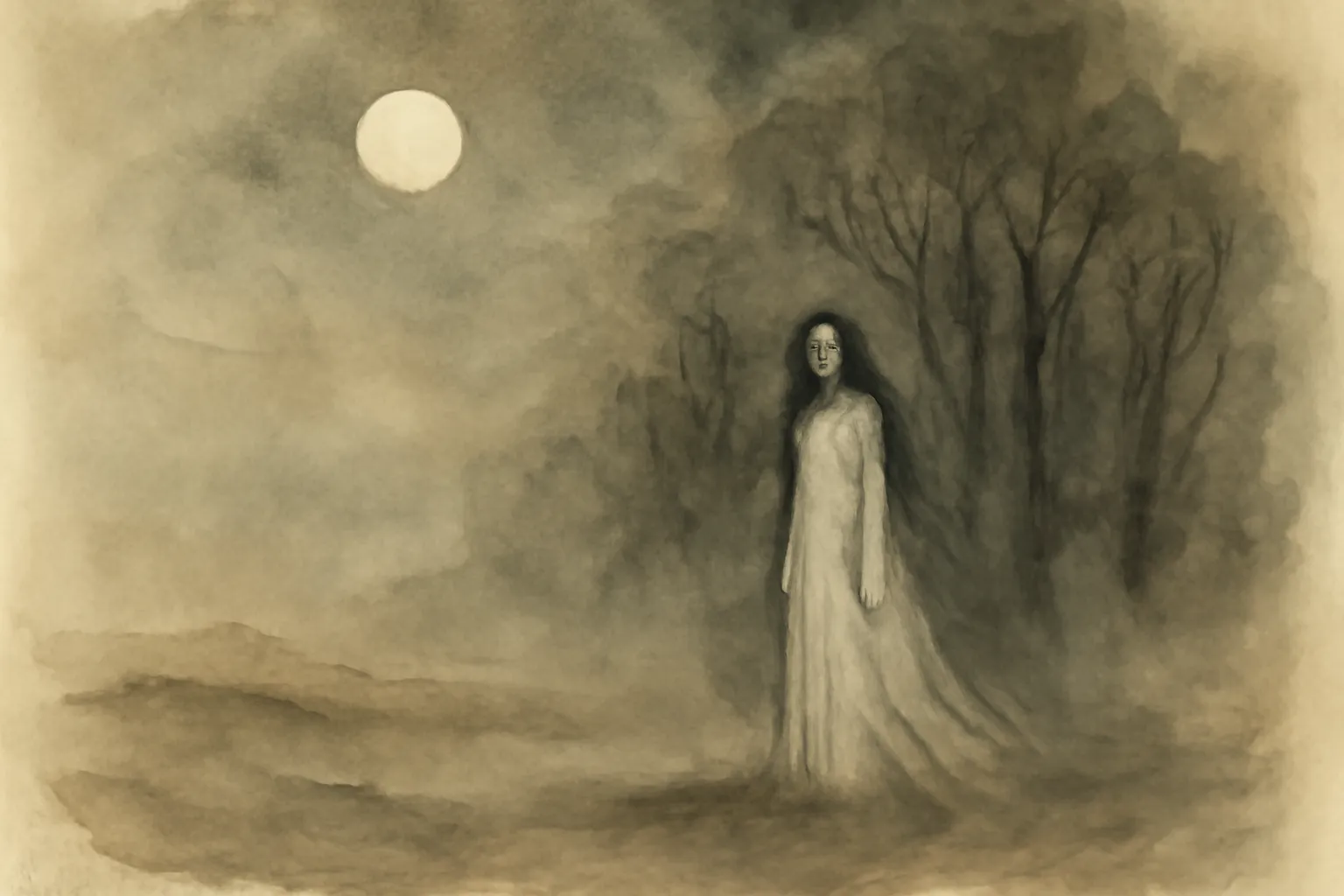
A midnight encounter unravels a conspiracy of identity and madness — a pioneering mystery and sensation novel.
Read full overviewShow less›
In 'The Woman in White,' Wilkie Collins weaves a gripping narrative that explores themes of identity, madness, and the power dynamics of gender in Victorian society. The story unfolds through multiple perspectives, allowing readers to experience the complex interplay of truth and deception that defines the lives of its characters. As the plot thickens, a mysterious woman in white emerges, setting off a series of events that challenge societal norms and expose the vulnerabilities of those entangled in a web of intrigue. This summary will explore the key ideas that make this novel a pioneering work of detective fiction, highlighting the intricate character relationships and the moral dilemmas they face. Readers will discover how the author masterfully blends suspense with social commentary, creating a timeless tale that resonates with contemporary issues of justice and identity.
Wilkie Collins's 'The Woman in White' remains a seminal work that deftly combines suspense, social commentary, and intricate character development. Through its exploration of identity, gender roles, and the pursuit of justice, the novel resonates with contemporary audiences while shedding light on the historical context of the Victorian era. Collins's pioneering narrative techniques and richly drawn characters invite readers to reflect on the complexities of human relationships and the societal constructs that shape them. Ultimately, the story serves as a reminder of the enduring struggle for truth and justice, highlighting the resilience of the human spirit in the face of adversity.
- 1The Unreliable Narrator
- 2The Role of Women in Victorian Society
- 3The Nature of Madness and Identity
- 4The Power Dynamics of Class and Wealth
- 5The Influence of Legal Systems
A glimpse inside

Collins employs multiple narrators to create a rich tapestry of perspectives, enhancing the complexity of the story. Walter Hartright, the initial narrator, sets the stag… Read moreCollins employs multiple narrators to create a rich tapestry of perspectives, enhancing the complexity of the story. Walter Hartright, the initial narrator, sets the stage with his account of the eerie encounter with the Woman in White, which serves as the catalyst for the unfolding drama. Each character’s voice offers unique insights and biases, keeping readers questioning the truth. This narrative technique not only deepens the mystery but also reflects the subjective nature of reality, particularly in a society where class and gender influence perception. The shifting viewpoints challenge readers to discern fact from fiction, mirroring the characters' struggles for clarity in their own lives. Show less
The novel presents a critical examination of women's roles during the Victorian era, particularly through the characters of Laura Fairlie and Marian Halcombe. Read moreThe novel presents a critical examination of women's roles during the Victorian era, particularly through the characters of Laura Fairlie and Marian Halcombe. Laura, the beautiful heiress, finds herself trapped in a patriarchal system that prioritizes wealth and status over personal freedom. Her marriage to Sir Percival Glyde is not just a personal tragedy but a commentary on the limited agency women possessed in making life choices. In contrast, Marian embodies a more progressive spirit; she is intelligent, resourceful, and fiercely protective of Laura. Through Marian, Collins advocates for female empowerment, showing how women can resist societal constraints and fight for justice, even when the odds are stacked against them. Show less
Read the full text — free
About the author
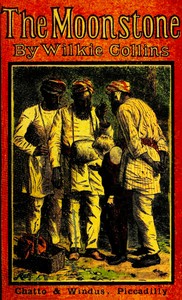
Wilkie Collins has 2 works free to read on Lumina, including The Moonstone.
All 2 books by Wilkie Collins →Frequently asked
Worlds to get lost in
Take Lumina everywhere
Read offline, listen to AI summaries, speed-read, and sync your progress across devices — free on iPhone.
Download for iPhone