1.The Unreliable Narrator
Collins employs multiple narrators to create a rich tapestry of perspectives, enhancing the complexity of the story. Walter Hartright, the initial narrator, sets the stage with his account of the eerie encounter with the Woman in White, which serves as the catalyst for the unfolding drama. Each character’s voice offers unique insights and biases, keeping readers questioning the truth. This narrative technique not only deepens the mystery but also reflects the subjective nature of reality, particularly in a society where class and gender influence perception. The shifting viewpoints challenge readers to discern fact from fiction, mirroring the characters' struggles for clarity in their own lives.
2.The Role of Women in Victorian Society
The novel presents a critical examination of women's roles during the Victorian era, particularly through the characters of Laura Fairlie and Marian Halcombe. Laura, the beautiful heiress, finds herself trapped in a patriarchal system that prioritizes wealth and status over personal freedom. Her marriage to Sir Percival Glyde is not just a personal tragedy but a commentary on the limited agency women possessed in making life choices. In contrast, Marian embodies a more progressive spirit; she is intelligent, resourceful, and fiercely protective of Laura. Through Marian, Collins advocates for female empowerment, showing how women can resist societal constraints and fight for justice, even when the odds are stacked against them.
3.The Nature of Madness and Identity
Central to the plot is the theme of madness, particularly as it relates to the character of Anne Catherick, the titular Woman in White. Collins explores how society's understanding of mental illness often reflects broader fears and prejudices. Anne's confinement in an asylum serves as a critique of the treatment of those deemed 'mad' and raises questions about the thin line between sanity and insanity. Her resemblance to Laura Fairlie sparks a conspiracy that revolves around identity theft, showcasing how fragile one's sense of self can be in the face of societal expectations and manipulations. The novel invites readers to consider how identity is constructed and deconstructed, particularly for women who are often defined by their relationships to men.
4.The Power Dynamics of Class and Wealth
Collins intricately weaves the theme of class into the narrative, illustrating how wealth and social status dictate the characters' fates. Sir Percival Glyde represents the corrupting influence of money, using his status to manipulate others and pursue his selfish desires. His financial troubles drive him to desperate measures, including the plot to secure Laura's inheritance through marriage. The contrast between the affluent Glyde and the working-class characters like Walter Hartright and Mrs. Catherick highlights the societal divides of the time. Collins critiques the moral bankruptcy of the upper class while showcasing the resilience and integrity of the lower classes, suggesting that true worth is not measured by wealth but by character.
5.The Influence of Legal Systems
The book delves into the legal system's failings and its susceptibility to corruption, particularly as it relates to the powerful Glyde and his machinations. Collins presents the law as a double-edged sword—capable of both protecting and oppressing individuals. Walter Hartright's quest for justice is repeatedly thwarted by legal hurdles, highlighting the inadequacies of the system to safeguard the vulnerable. The narrative reflects the Victorian fascination with legal proceedings and the emerging detective genre, showcasing how justice can be elusive and often dependent on personal initiative rather than institutional support. The portrayal of law in the novel raises questions about accountability and fairness, emphasizing that justice often requires relentless pursuit and sacrifice.
6.The Symbolism of the Woman in White
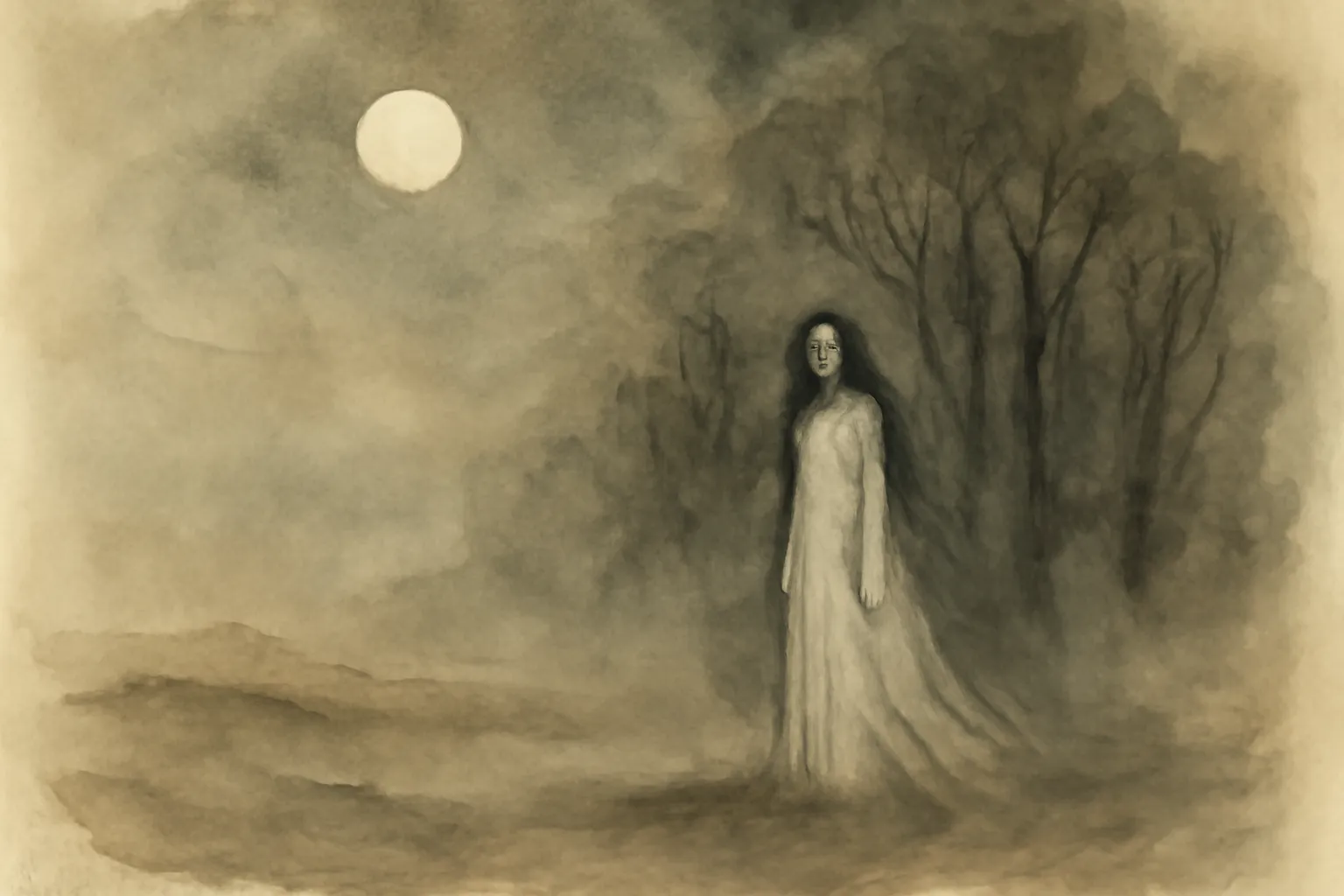
The Woman in White serves as a powerful symbol throughout the novel, representing both the oppressed female spirit and the specter of societal injustice. Her appearance is shrouded in mystery, and she embodies the fears and anxieties surrounding women's autonomy. The color white traditionally symbolizes purity, but in this context, it also highlights the vulnerability and fragility of women like Laura and Anne. The recurring motif of the Woman in White challenges the characters' perceptions of reality and compels them to confront their own complicity in the systems that oppress women. Collins uses this symbol to critique the societal norms that dictate women's roles, ultimately advocating for their liberation.
7.Friendship and Loyalty
The bonds of friendship and loyalty are central themes in 'The Woman in White,' particularly through the relationship between Marian and Laura. Marian's unwavering commitment to Laura's well-being drives much of the plot, showcasing the strength of female solidarity in the face of adversity. Their friendship contrasts sharply with the deceitful relationships that characterize the male figures in the story. Walter Hartright's loyalty to both women reflects the potential for genuine connections that transcend societal boundaries. Collins emphasizes the importance of trust and mutual support, suggesting that true companionship can be a powerful force against oppression and injustice.
8.The Gothic Elements of Suspense
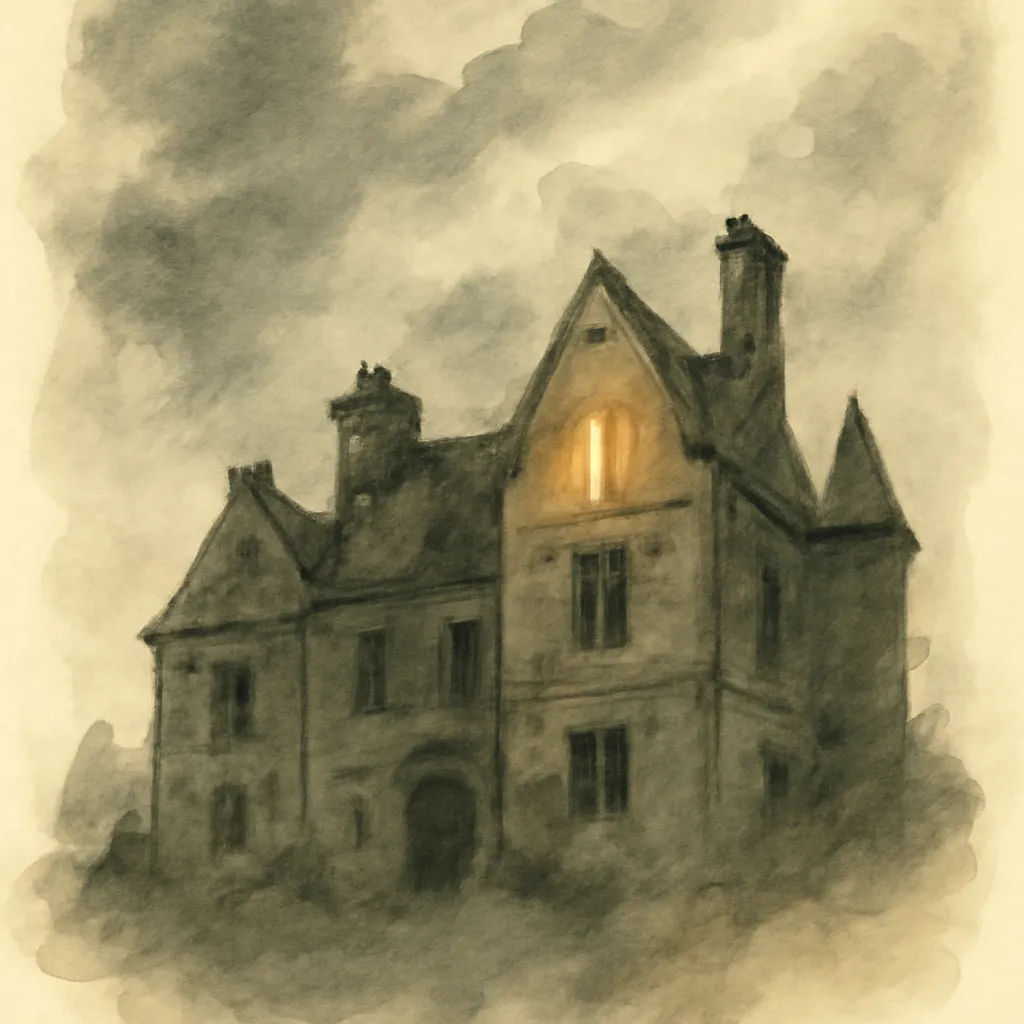
Collins skillfully employs Gothic elements to enhance the novel's suspense and intrigue. The ominous atmosphere of Limmeridge House and Blackwater Park adds a layer of foreboding, creating a backdrop for the unfolding drama. The eerie presence of the Woman in White, along with the themes of confinement and madness, evokes the classic Gothic tradition, immersing readers in a world of psychological tension. Collins uses these elements not merely for thrills but to deepen the exploration of his characters' psyches, revealing how fear can manipulate and control individuals. The interplay of light and darkness, both literally and metaphorically, serves to heighten the stakes and engage readers in the characters' struggles.
9.Foreshadowing and Plot Twists
Collins masterfully employs foreshadowing and plot twists to keep readers engaged and invested in the story. Early hints about Sir Percival's true nature and the looming threat of the asylum create a sense of dread that permeates the narrative. The unexpected revelations about identity and the layers of deception add complexity to the plot, challenging readers to piece together the clues alongside the characters. Collins's ability to weave intricate plots with surprising turns showcases his skill as a storyteller and his understanding of human psychology. The twists not only serve to entertain but also reinforce the themes of the novel, particularly the precariousness of identity and the relentless pursuit of truth.
10.The Quest for Truth and Justice
At its core, 'The Woman in White' is a quest for truth and justice, driven by the characters' determination to uncover the reality behind the conspiracy. Walter Hartright, Marian Halcombe, and even the enigmatic Woman in White are all engaged in their own battles against the forces that seek to silence them. Their journeys reflect the broader struggle for justice in a society that often favors the powerful over the powerless. Collins emphasizes the importance of perseverance and moral courage, suggesting that the pursuit of truth is a noble endeavor, even in the face of overwhelming odds. The characters' resolve to seek justice serves as a reminder of the human spirit's capacity to confront injustice and fight for what is right.