1.The Origin of the Moonstone
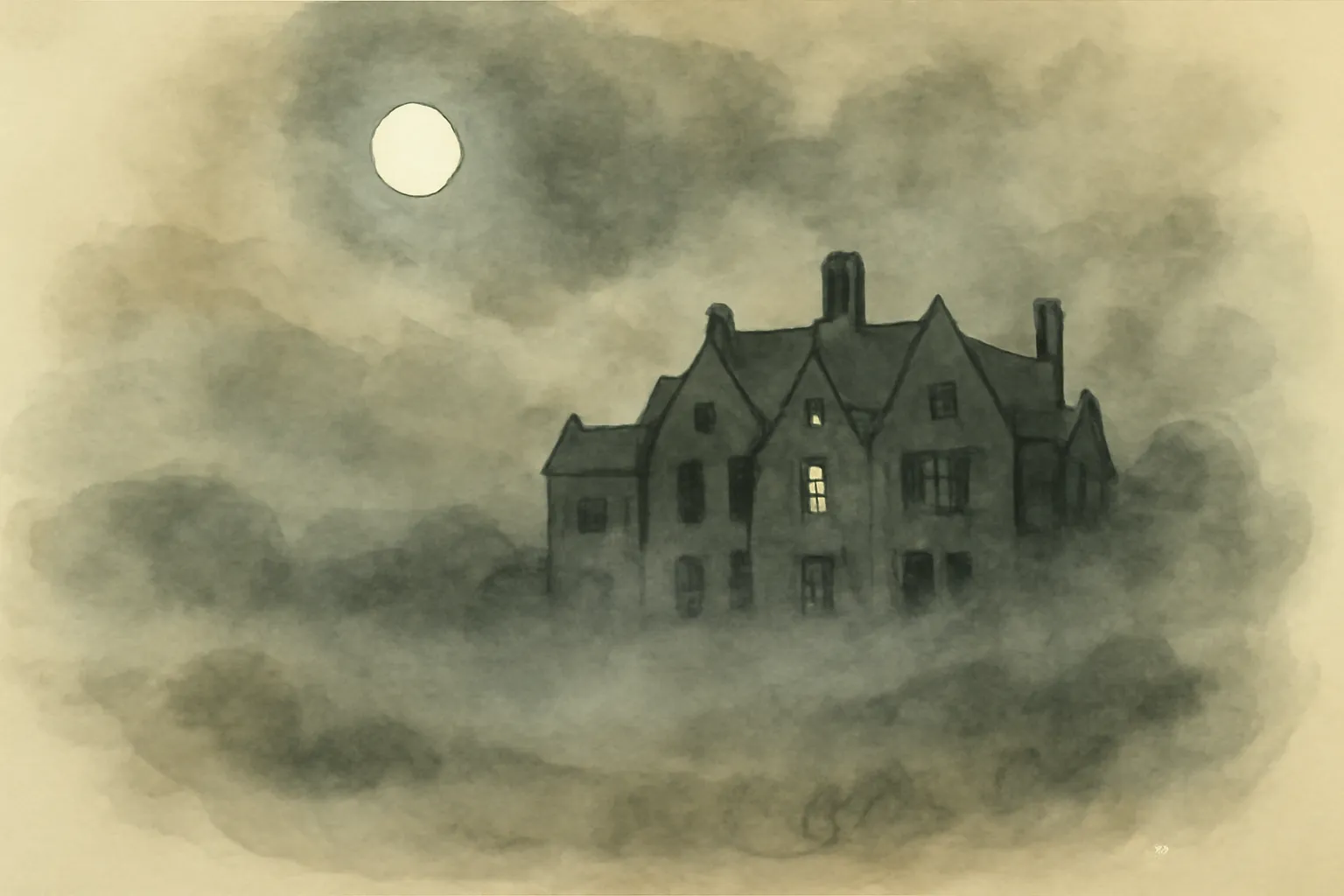
The Moonstone's backstory is steeped in legend, originating from India where it was enshrined in the forehead of a sacred deity. This diamond, said to possess supernatural qualities that reflect the phases of the moon, becomes a symbol of colonial exploitation. When the British forces stormed the city of Seringapatam, the stone was taken as a trophy, representing the conquest of a culture and its treasures. This act of theft not only sets the stage for the novel’s events but also serves as a commentary on the moral implications of imperialism. The diamond, therefore, is not merely a valuable gem; it embodies the complex relationship between the colonizers and the colonized, hinting at the cultural and spiritual loss suffered by the Indian people.
2.A Family Divided
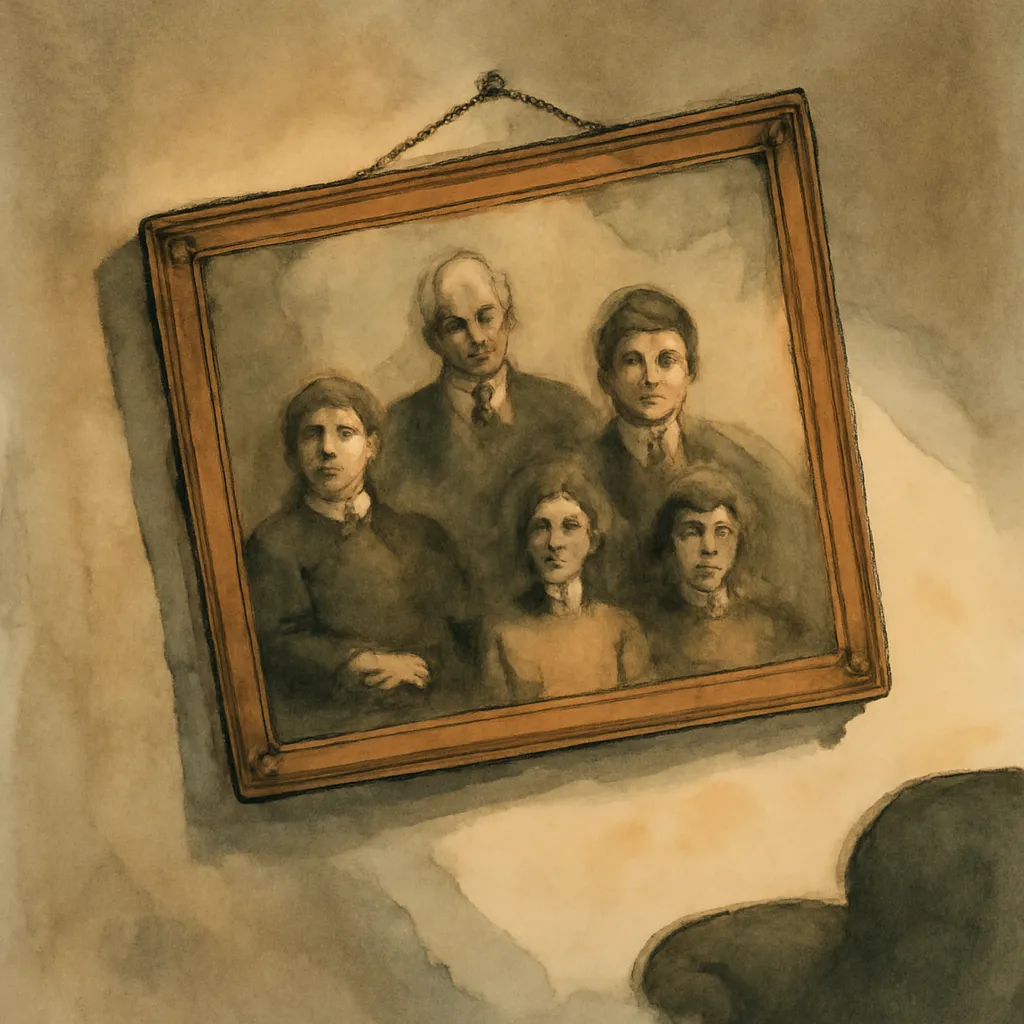
The narrative is propelled by the conflict between the protagonist, Franklin Blake, and his cousin, John Herncastle. Their family history is fraught with tension, stemming from Herncastle's claim to have rightful ownership of the Moonstone, a legacy that Franklin inherits. This familial discord is emblematic of the broader themes of loyalty and betrayal that permeate the story. As Franklin seeks to clear the names of his innocent relatives implicated in the diamond's theft, the familial bond is tested against personal ambition and moral integrity. The character of Herncastle, representing the darker aspects of familial duty and greed, illustrates how personal relationships can become corrupted by wealth and desire, prompting readers to reflect on the true cost of familial loyalty.
3.The Role of Women
Collins intricately weaves the lives of several female characters, each representing different facets of womanhood in Victorian society. Rachel Verinder, the diamond's intended recipient, is portrayed as a complex figure caught between societal expectations and her own desires. Her emotional turmoil following the theft of the diamond highlights the constraints placed on women during this era, where their worth was often tied to their relationships with men. Additionally, characters like Rosanna Spearman, who harbors unrequited love for Franklin, exemplify the struggles women faced in expressing their emotions and desires. Collins presents a nuanced view of women as both victims of circumstance and agents of their fate, challenging the patriarchal norms of his time and inviting readers to consider the implications of gender on identity and agency.
4.Narrative Structure and Perspective
The novel employs a unique narrative technique, utilizing multiple first-person accounts that lend depth to the storytelling. Each character offers their perspective on the events surrounding the Moonstone's disappearance, creating a rich tapestry of voices that complicates the truth. This structure allows Collins to explore the subjective nature of reality, as each narrator presents their biases and interpretations. The fragmented narrative not only heightens the suspense but also invites the reader to piece together the puzzle of the diamond's theft, mirroring the detective work of Sergeant Cuff. By presenting a range of viewpoints, Collins emphasizes the idea that truth is often elusive and shaped by personal experiences, challenging readers to discern fact from fiction.
5.Sergeant Cuff: The Archetypal Detective
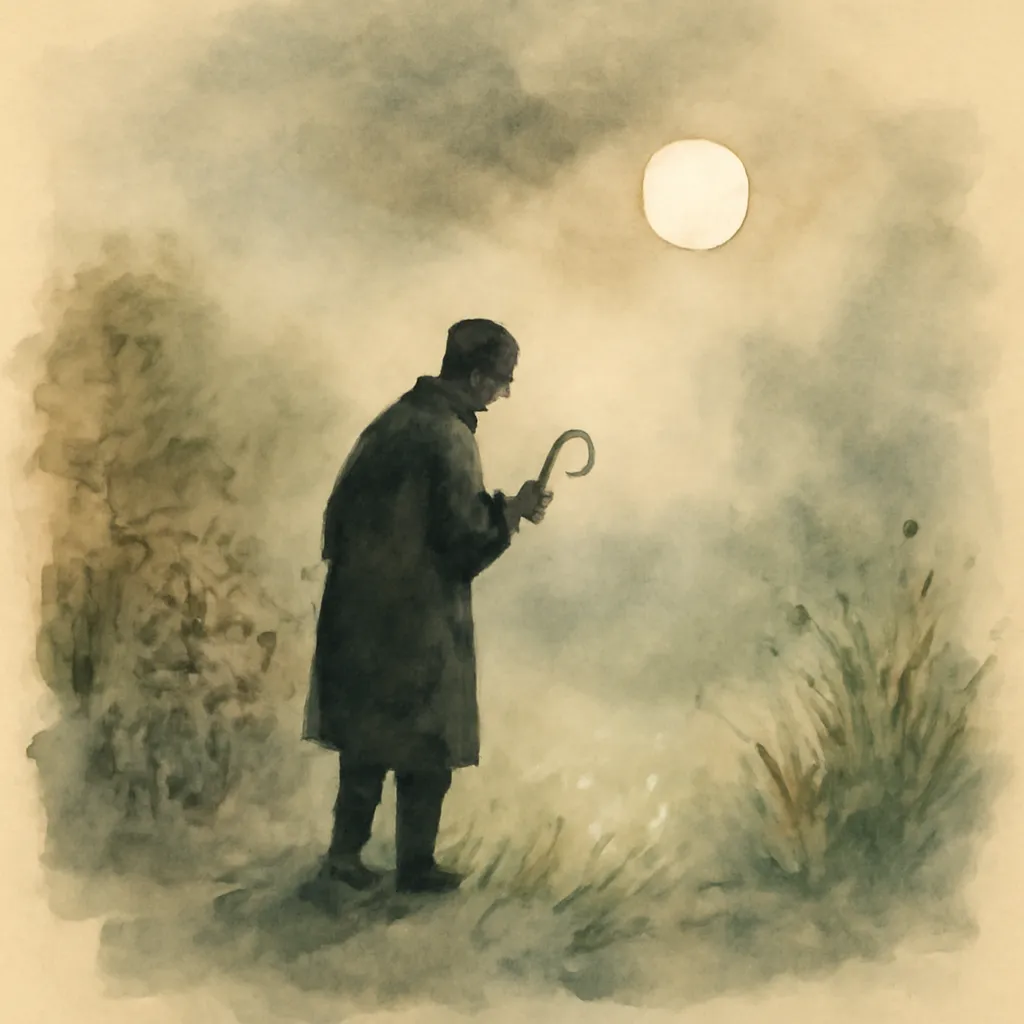
Sergeant Cuff emerges as one of literature's first detectives, embodying the qualities of logic and intuition required to solve the mystery of the Moonstone. His unorthodox methods, including psychological insights and keen observations, set a precedent for future detective fiction. Cuff’s interactions with the other characters reveal not only his professional acumen but also his understanding of human nature. His character serves as a foil to the more emotional and impulsive Franklin, highlighting the tension between rationality and emotion in the pursuit of truth. Cuff’s presence in the narrative underscores the importance of methodical investigation and the need for a dispassionate approach in unraveling complex mysteries, a theme that resonates throughout the detective genre.
6.Themes of Guilt and Innocence
The Moonstone intricately explores the concepts of guilt and innocence, as various characters grapple with their involvement in the diamond's theft. The narrative raises questions about moral responsibility, as characters like Franklin and Rachel are thrust into situations that force them to confront their own choices. Collins delves into the psychological ramifications of guilt, portraying how it can manifest in different ways—from paranoia to self-doubt. The interplay of innocence and guilt among the characters creates a moral ambiguity that challenges readers to consider the complexities of human behavior. This theme resonates with the idea that circumstances often dictate one's actions, prompting reflections on the nature of justice and the human capacity for redemption.
7.The Supernatural and the Unexplained
Throughout the novel, elements of superstition and the supernatural play a significant role in shaping the characters' beliefs and actions. The Moonstone itself is imbued with mystical qualities, believed to bring misfortune to those who possess it. This belief in the supernatural reflects the characters' anxieties and the cultural tensions between the rationalism of Victorian society and the lingering superstitions of the East. Collins uses these elements to create an atmosphere of suspense and intrigue, blurring the lines between reality and the supernatural. The characters’ responses to the diamond’s legend highlight the power of myth and belief in influencing human behavior, inviting readers to consider the impact of cultural narratives on individual lives.
8.Colonialism and Cultural Conflict
The Moonstone serves as a critique of colonial attitudes and the cultural conflicts that arise from imperialism. The theft of the diamond is not merely a plot device; it symbolizes the broader implications of colonial exploitation and the disregard for indigenous cultures. Collins portrays the Indian characters with a sense of dignity and complexity, challenging the stereotypical representations common in Victorian literature. This cultural sensitivity is juxtaposed with the British characters’ ignorance and arrogance, illustrating the tensions between colonizers and the colonized. By weaving these themes into the narrative, Collins prompts readers to reflect on the moral consequences of imperialism and the need for understanding and respect across cultures.
9.The Psychological Depth of Characters
Collins excels in creating psychologically complex characters whose motivations drive the narrative forward. Each character is imbued with their own desires, fears, and insecurities, making them relatable and human. For instance, Rosanna Spearman's struggle with her unrequited love for Franklin and her feelings of inadequacy add layers to her character, making her actions more poignant. Similarly, Franklin's internal conflict between duty and desire creates a compelling portrait of a man torn between familial loyalty and personal ambition. Collins’ exploration of these psychological dimensions enriches the story, allowing readers to engage with the characters on a deeper level and understand the emotional stakes involved in their actions.
10.The Consequences of Greed and Ambition
At its core, 'The Moonstone' is a cautionary tale about the destructive power of greed and ambition. The characters' desire for wealth and status leads to betrayal, deceit, and ultimately, tragedy. Herncastle’s relentless pursuit of the diamond exemplifies how ambition can corrupt even familial bonds, resulting in a chain of events that devastates those around him. This theme resonates throughout the novel, as characters grapple with the consequences of their actions in the pursuit of wealth. Collins invites readers to consider the moral implications of ambition and the sacrifices made in its name, prompting reflections on the true cost of material pursuits.