

Fiction · Middle-aged men · Actors
The Sea, The Sea by Iris Murdoch — Summary, Key Ideas & Quotes
1978512 pages✦ 3-min Big ideas★ 3.7 (6)
Rate it
Een gevierde acteur trekt zich terug in een vissersplaatsje, maar wordt daar voortdurend geconfronteerd met personen uit zijn verleden, die hem niet met rust laten.
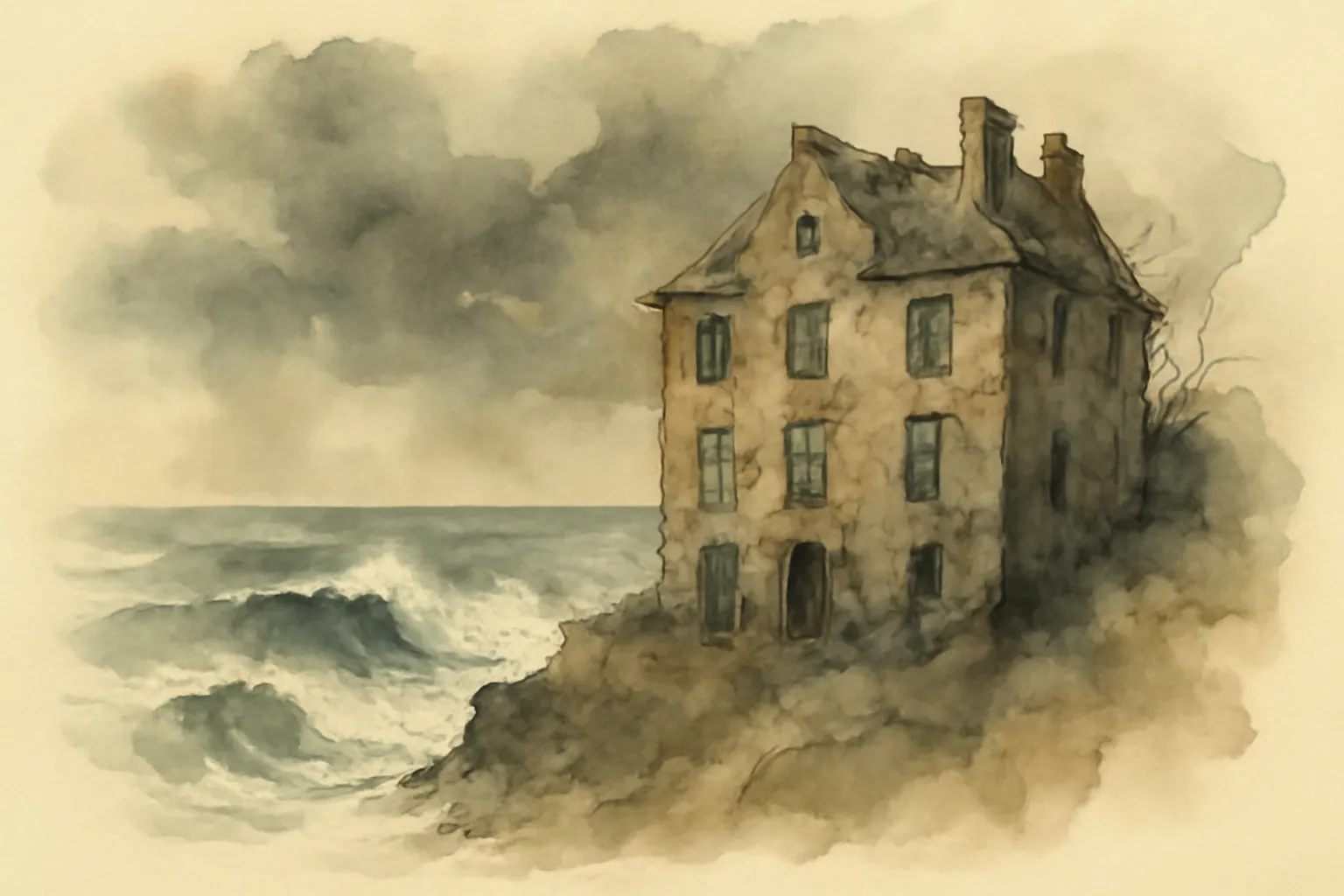
At its core, the novel explores how the past exerts a relentless grip on the present. Charles Arrowby, the protagonist, is unable to escape his memories and obsessions, particularly regarding his first love, Hartley. Murdoch uses his fixation to examine how nostalgia and longing can distort reality, trapping individuals in cycles of regret and fantasy. The sea itself serves as a metaphor for the unconscious, with its unpredictable tides mirroring the way old emotions and unresolved desires surge back into Charles’s life.
Charles’s narrative voice is unreliable, revealing the ways in which people deceive themselves about their motives and actions. The novel scrutinizes the stories we tell ourselves to justify our choices, showing how self-knowledge is often partial or illusory. Murdoch’s philosophical background shines through in her portrayal of Charles’s blindness to his own flaws, raising questions about whether true self-understanding is ever possible.
“One of the secrets of a happy life is continuous small treats.”
“People from a planet without flowers would think we must be mad with joy the whole time to have such things about us.”
