1.Obsession and the Tyranny of Memory
At its core, the novel explores how the past exerts a relentless grip on the present. Charles Arrowby, the protagonist, is unable to escape his memories and obsessions, particularly regarding his first love, Hartley. Murdoch uses his fixation to examine how nostalgia and longing can distort reality, trapping individuals in cycles of regret and fantasy. The sea itself serves as a metaphor for the unconscious, with its unpredictable tides mirroring the way old emotions and unresolved desires surge back into Charles’s life.
2.Self-Deception and the Limits of Self-Knowledge
Charles’s narrative voice is unreliable, revealing the ways in which people deceive themselves about their motives and actions. The novel scrutinizes the stories we tell ourselves to justify our choices, showing how self-knowledge is often partial or illusory. Murdoch’s philosophical background shines through in her portrayal of Charles’s blindness to his own flaws, raising questions about whether true self-understanding is ever possible.
3.The Nature of Love and Possession
Love, in 'The Sea, The Sea,' is depicted as a force that can be both redemptive and destructive. Charles’s desire to reclaim Hartley is less about genuine affection and more about possession and control. The novel interrogates the difference between loving someone and wanting to own them, illustrating how love can become entangled with ego, power, and fantasy.
4.Art, Theatre, and the Performance of Identity
As a retired actor and director, Charles is steeped in the world of performance. Murdoch uses his theatrical background to explore how people construct and perform their identities, both for others and themselves. The boundary between artifice and authenticity is continually blurred, suggesting that life itself is a kind of theatre where roles are assumed and discarded.
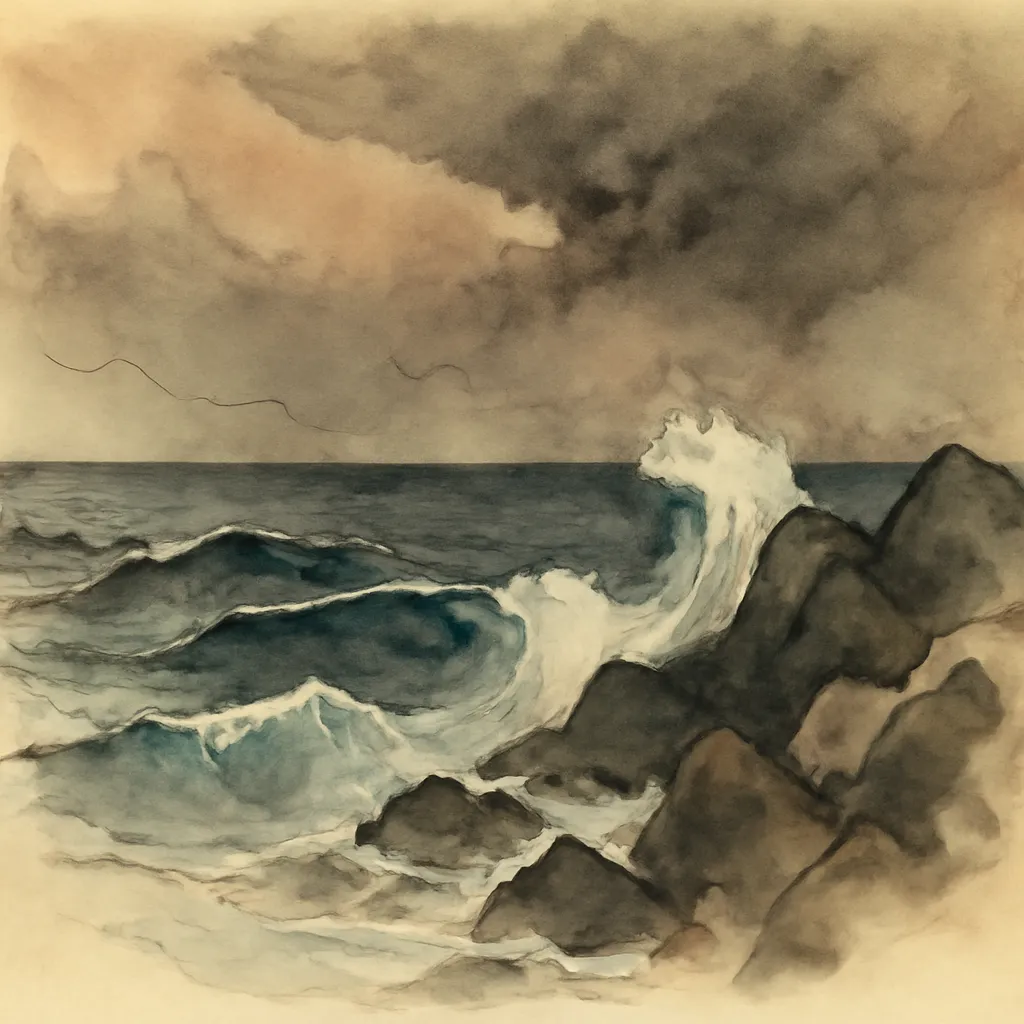
5.The Sea as Symbol and Setting
The sea is not just a backdrop but a living symbol throughout the novel. It represents the unknown, the depths of the psyche, and the uncontrollable forces that shape human existence. Its presence is both alluring and menacing, reflecting the tumult within Charles and the unpredictability of fate. The ever-changing moods of the sea parallel the shifting emotional landscape of the characters.
6.Isolation and the Search for Meaning
Charles retreats to the seaside hoping for solitude and self-discovery, but instead finds himself confronted by the persistent presence of others and the inescapability of his own nature. The novel probes the tension between the desire for isolation and the need for connection, ultimately suggesting that meaning is found not in withdrawal, but in engagement with the world and acceptance of its messiness.