

English literature · Photographers · Fiction
The Seven Moons of Maali Almeida by Shehan Karunatilaka — Summary, Key Ideas & Quotes
2022400 pages✦ 3-min Big ideas★ 4.0 (5)
Rate it
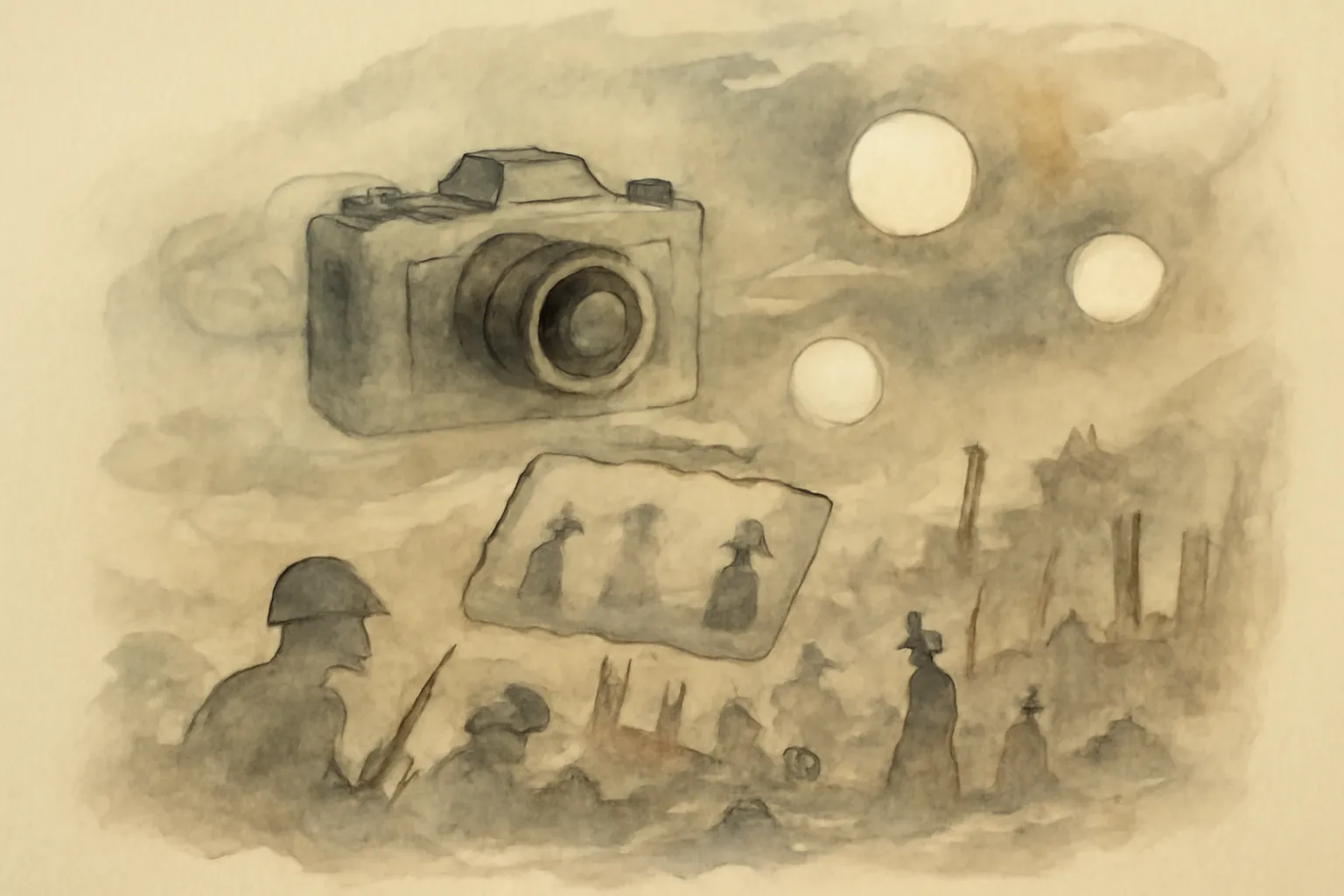
Karunatilaka reimagines the afterlife as a chaotic, bureaucratic limbo, mirroring the confusion and absurdity of life during Sri Lanka’s civil war. Through Maali’s journey, the novel lampoons political systems and exposes how violence, corruption, and propaganda persist even beyond death. This inventive setting allows the author to critique real-world power structures while exploring the universal human desire for justice and closure.
As a war photographer, Maali’s life—and afterlife—revolves around the images he’s captured. The novel interrogates the role of photography in documenting atrocities and shaping collective memory. Maali’s quest to release his hidden photographs becomes a metaphor for the struggle to reveal suppressed truths, suggesting that bearing witness is both a personal and political act with the potential to shift history.
“If you had a voice, what would you say?”
“Sri Lanka is an island. Everyone who lives here is mad.”
“There is no justice in the land of the dead. Only paperwork.”