1.The Afterlife as Political Satire
Karunatilaka reimagines the afterlife as a chaotic, bureaucratic limbo, mirroring the confusion and absurdity of life during Sri Lanka’s civil war. Through Maali’s journey, the novel lampoons political systems and exposes how violence, corruption, and propaganda persist even beyond death. This inventive setting allows the author to critique real-world power structures while exploring the universal human desire for justice and closure.
2.Memory, Truth, and the Power of Images
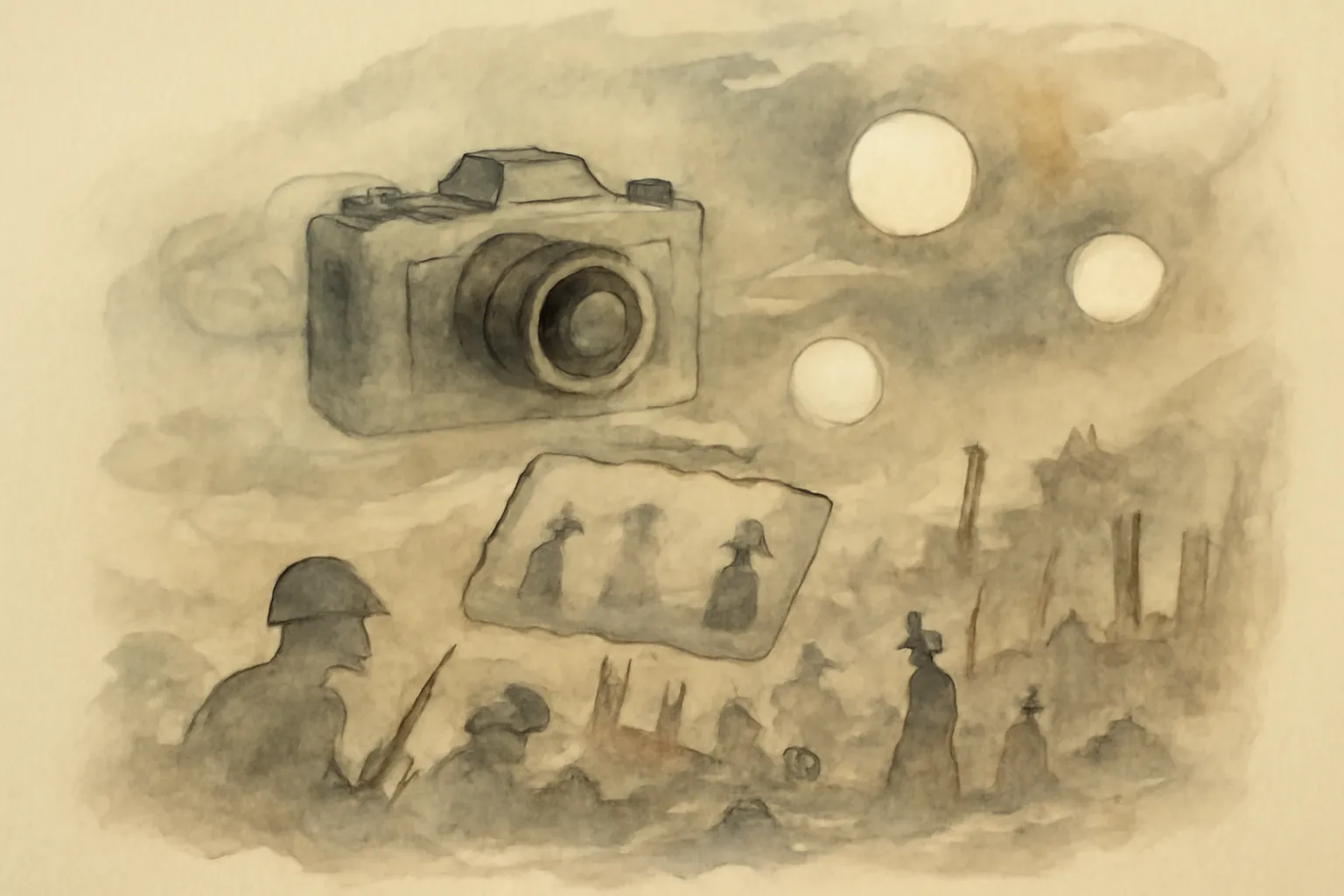
As a war photographer, Maali’s life—and afterlife—revolves around the images he’s captured. The novel interrogates the role of photography in documenting atrocities and shaping collective memory. Maali’s quest to release his hidden photographs becomes a metaphor for the struggle to reveal suppressed truths, suggesting that bearing witness is both a personal and political act with the potential to shift history.
3.Queerness and Identity in a Hostile World
Maali is a gay man in a society rife with homophobia and violence. The novel weaves his sexuality into the fabric of his character, not as a token trait but as a lens through which he experiences love, secrecy, and danger. Karunatilaka uses Maali’s relationships to explore broader questions of acceptance, belonging, and the risks faced by those who challenge social norms.
4.The Absurdity and Tragedy of War
Through dark humor and surreal encounters, the novel exposes the senselessness of Sri Lanka’s decades-long conflict. Ghosts from all sides of the war intermingle, blurring lines between victim and perpetrator. Karunatilaka’s approach underscores the shared suffering of ordinary people, while refusing to let any faction off the hook for their complicity.
5.Redemption, Regret, and Second Chances
Maali’s seven nights in the afterlife force him to confront his own failings—personal betrayals, moral compromises, and unfinished business. The novel uses his journey to pose questions about forgiveness, redemption, and whether it’s ever truly possible to make amends. The ticking clock of the ‘seven moons’ amplifies the urgency of these existential dilemmas.
6.Storytelling as Survival
Karunatilaka’s narrative is self-aware, playful, and often breaks the fourth wall. This metafictional style highlights the importance of stories—both those we tell ourselves and those we share with the world—in surviving trauma and making sense of chaos. The novel ultimately suggests that storytelling is an act of resistance against erasure and forgetting.