Fiction · African Americans · African American families
The Song of Solomon by Toni Morrison — Summary, Key Ideas & Quotes
1634341 pages✦ 3-min Big ideas★ 4.3 (15)
Rate it
Milkman Dead was born shortly after a neighborhood eccentric hurled himself off a rooftop in a vain attempt at flight. For the rest of his life he, too, will be trying to fly. With this brilliantly imagined novel, Toni Morrison transfigures the coming-of-age story as audaciously as Saul Bellow or Gabriel García Márquez. As she follows Milkman from his rustbelt city to the place of his family’s origins, Morrison introduces an entire cast of strivers and seeresses, liars and assassins, the inhabitants of a fully realized black world.
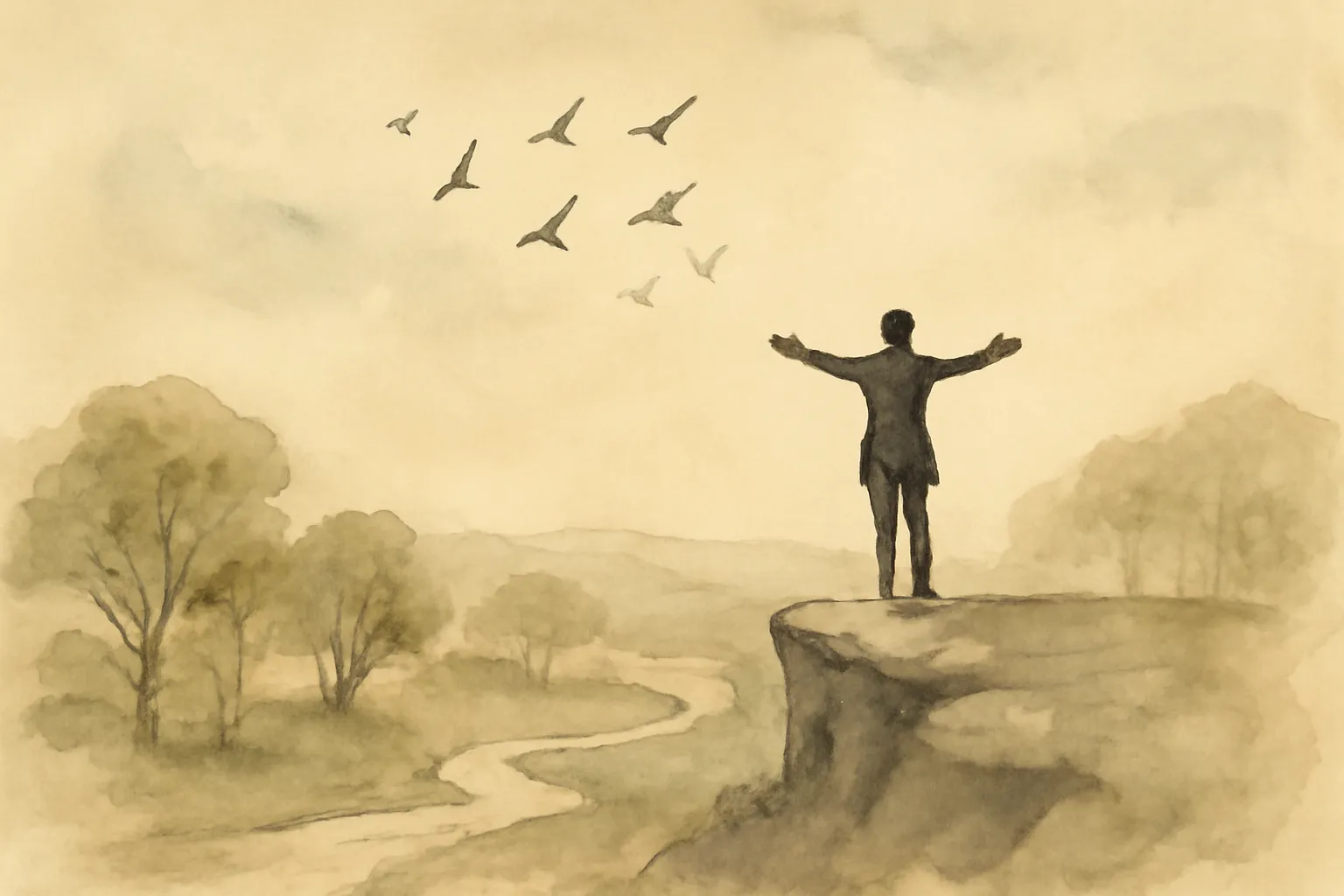
At its heart, Song of Solomon is Milkman Dead’s quest to understand himself. Alienated from his family and community, Milkman’s journey becomes a metaphor for the search for personal and cultural identity. Morrison explores how names, stories, and ancestral history inform who we are. Milkman’s eventual journey south to uncover his family’s past is both literal and symbolic, suggesting that self-knowledge requires confronting uncomfortable truths and embracing one’s heritage.
The novel examines how the past—both familial and collective—shapes the present. Morrison uses the motif of flight, rooted in African American folklore, to explore the desire to escape pain and oppression but also the cost of abandoning one’s roots. Milkman’s discovery of his ancestors’ stories becomes a source of empowerment, but also reveals the traumas and burdens passed down through generations.
“You wanna fly, you got to give up the thing that weighs you down.”
“If you surrendered to the air, you could ride it.”