1.The Search for Identity
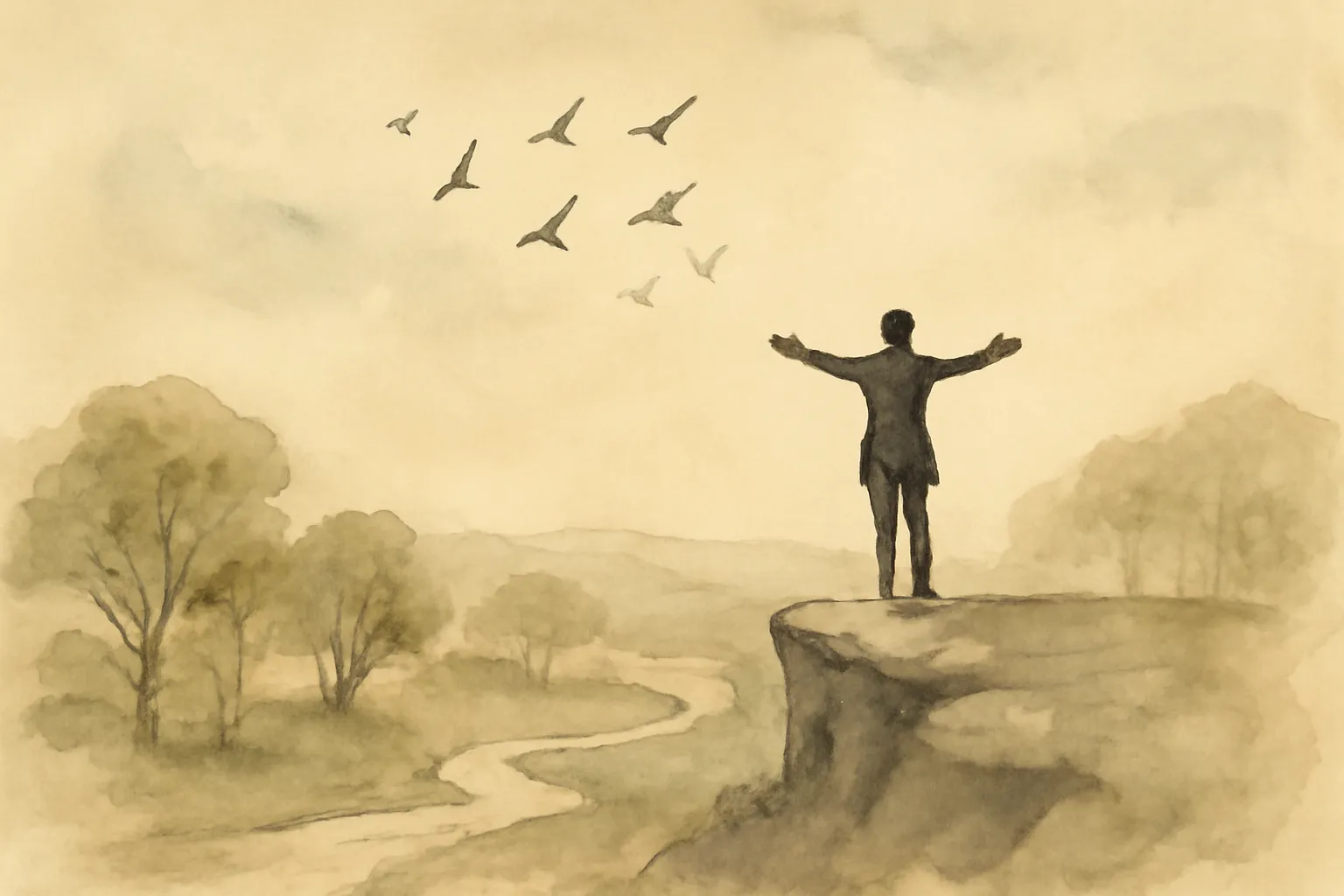
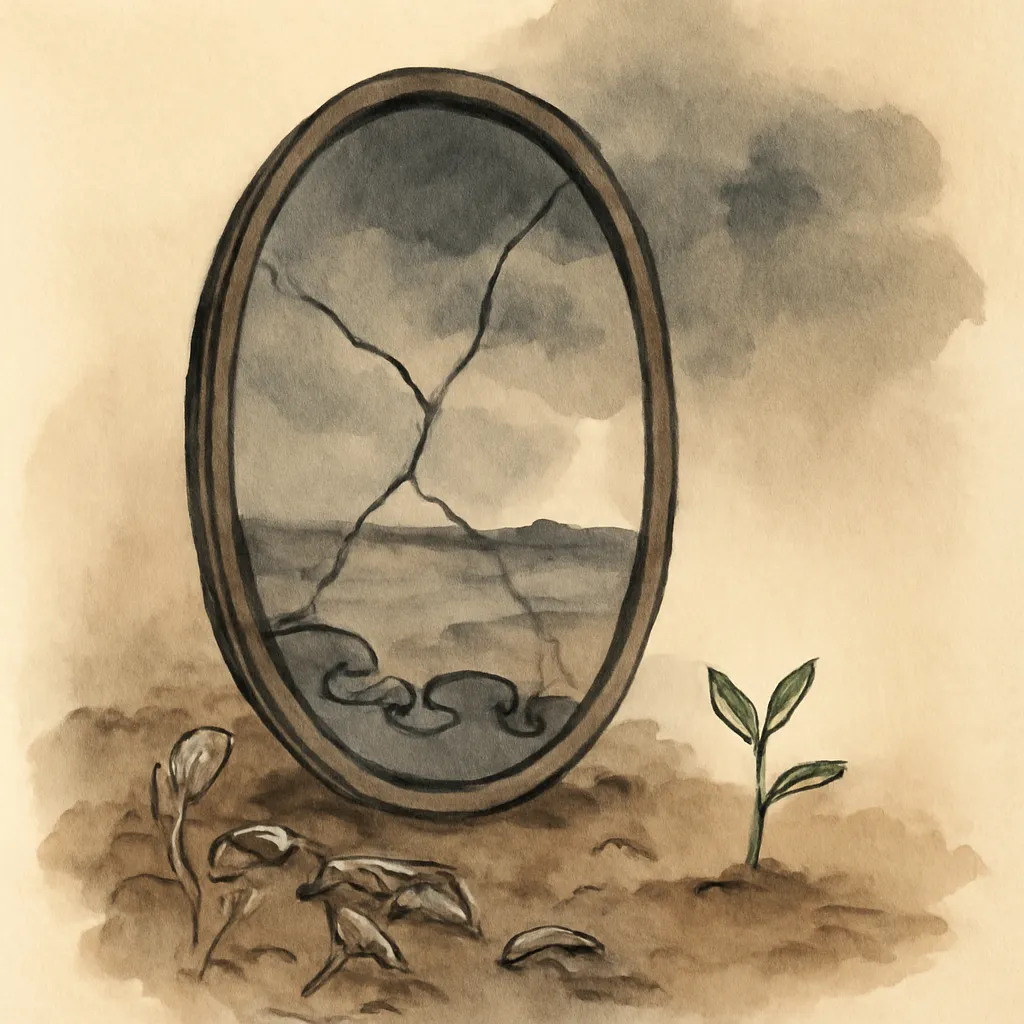
At its heart, Song of Solomon is Milkman Dead’s quest to understand himself. Alienated from his family and community, Milkman’s journey becomes a metaphor for the search for personal and cultural identity. Morrison explores how names, stories, and ancestral history inform who we are. Milkman’s eventual journey south to uncover his family’s past is both literal and symbolic, suggesting that self-knowledge requires confronting uncomfortable truths and embracing one’s heritage.
2.The Power and Burden of Ancestry
The novel examines how the past—both familial and collective—shapes the present. Morrison uses the motif of flight, rooted in African American folklore, to explore the desire to escape pain and oppression but also the cost of abandoning one’s roots. Milkman’s discovery of his ancestors’ stories becomes a source of empowerment, but also reveals the traumas and burdens passed down through generations.
3.Community and Isolation
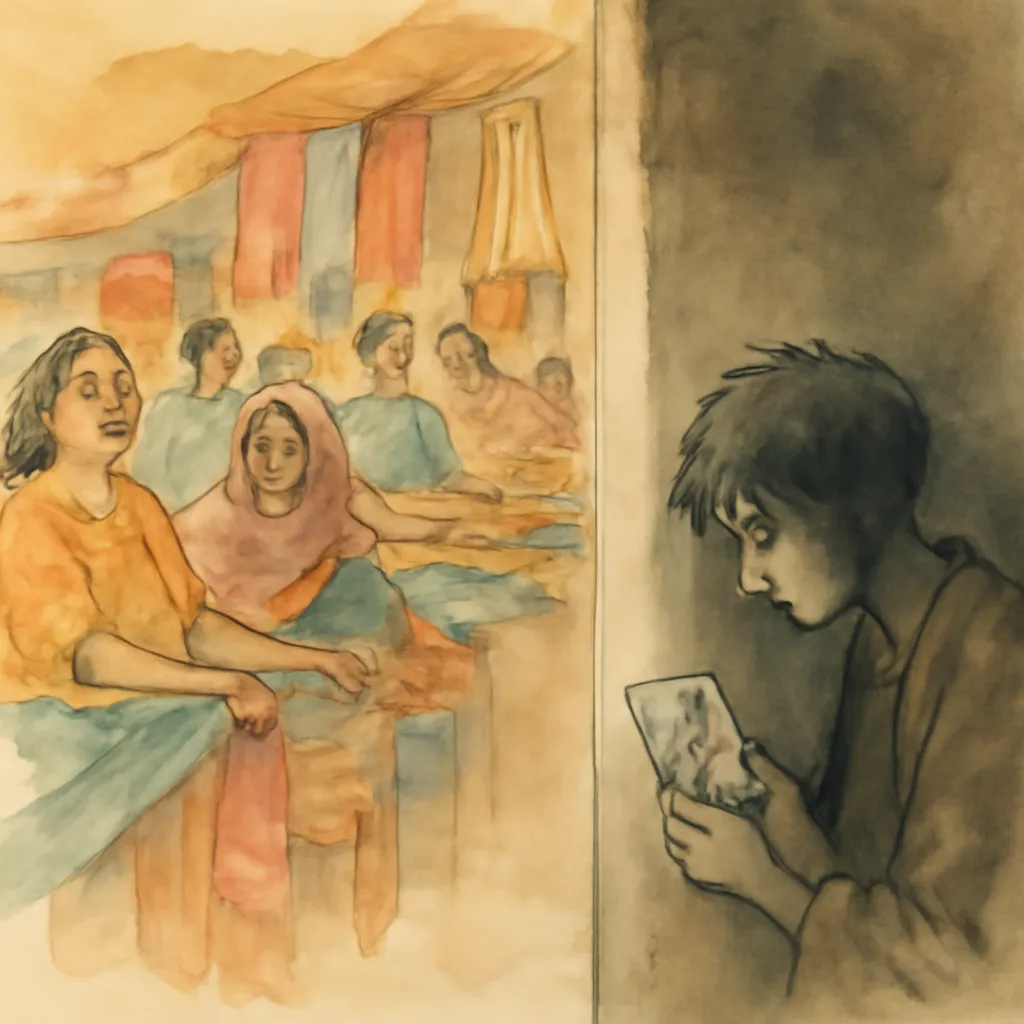
Morrison paints a vivid portrait of black communities, highlighting their strengths, secrets, and struggles. Characters like Pilate, Guitar, and Hagar embody different responses to alienation and belonging. The novel interrogates what it means to be part of a community, the dangers of isolation, and the necessity of connection for healing and growth.
4.Masculinity and Gender Roles
Song of Solomon critically examines traditional notions of masculinity, especially within the context of black families. Milkman’s relationships with women—his mother, Ruth; his aunt, Pilate; and his lover, Hagar—reveal the limitations and expectations placed on both men and women. Morrison challenges patriarchal norms and shows how true maturity requires empathy and vulnerability.
5.Myth, Magic, and the Supernatural
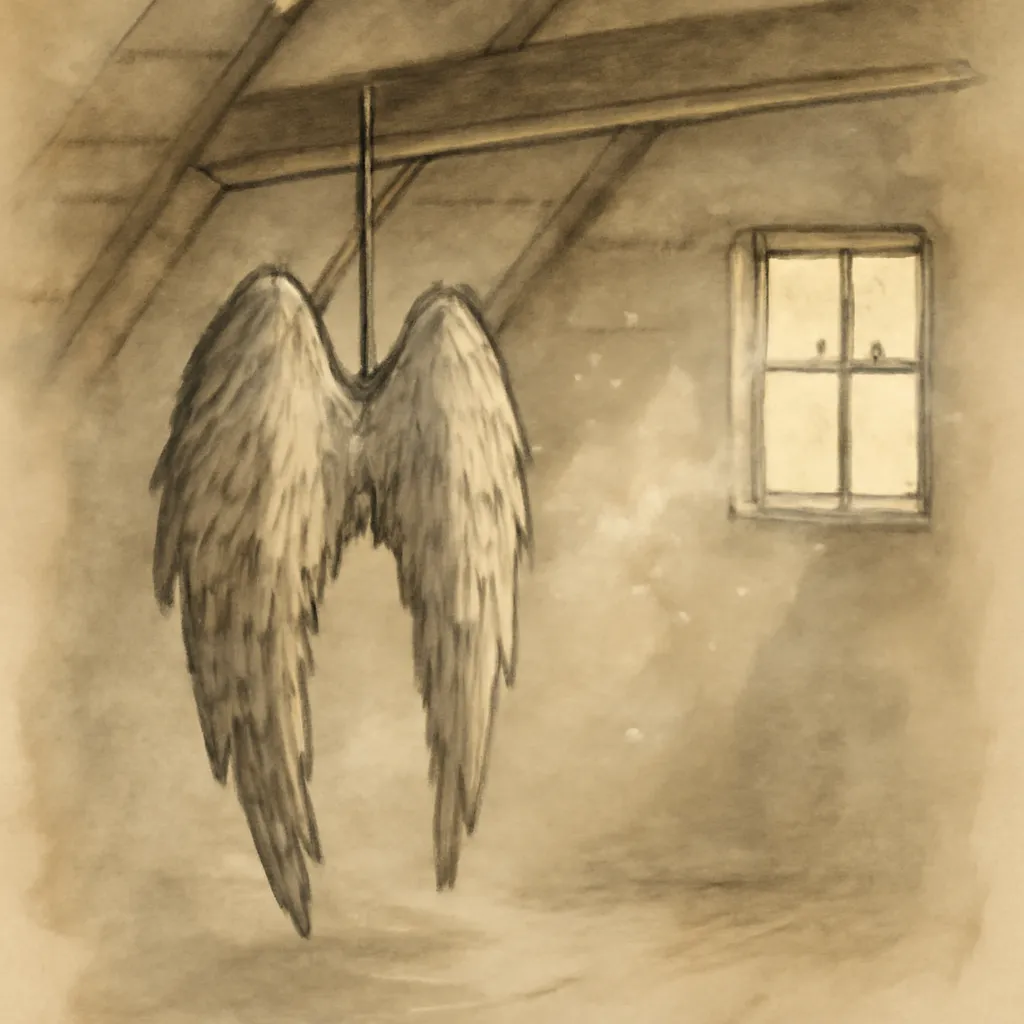
Morrison seamlessly blends realism with mythic and magical elements, drawing on African American folklore and biblical allusions. The recurring motif of flight, the mysterious character of Pilate, and the symbolic use of gold all contribute to a sense of wonder and ambiguity. These elements invite readers to consider the power of storytelling and the ways myth can shape reality.
6.The Legacy of Racism and Oppression
The novel does not shy away from depicting the impact of racism, violence, and economic hardship on its characters. Morrison illustrates how external forces—discrimination, poverty, and historical trauma—intersect with personal choices. Yet, she also emphasizes resilience, creativity, and the possibility of transformation.