

Fiction · Colonies · Social conditions
The Soul of a Woman by Isabel Allende — Summary, Key Ideas & Quotes
2009511 pages✦ 3-min Big ideas★ 4.0 (1)
Rate it
Born a slave on the island of Saint-Domingue, Zarité -- known as Tété -- is the daughter of an African mother she never knew and one of the white sailors who brought her into bondage. Though her childhood is one of brutality and fear, Tété finds solace in the traditional rhythms of African drums and in the voodoo loas she discovers through her fellow slaves. When twenty-year-old Toulouse Valmorain arrives on the island in 1770, it’s with powdered wigs in his baggage and dreams of financial success in his mind. But running his father’s plantation, Saint-Lazare, is neither glamorous nor easy. It will be eight years before he brings home a bride -- but marriage, too, proves more difficult than he imagined. And Valmorain remains dependent on the services of his teenaged slave. Spanning four decades, Island Beneath the Sea is the moving story of the intertwined lives of Tété and Valmorain, and of one woman’s determination to find love amid loss, to offer humanity though her own has been battered, and to forge her own identity in the cruellest of circumstances. Translated from the Spanish by Margaret Sayers Peden.
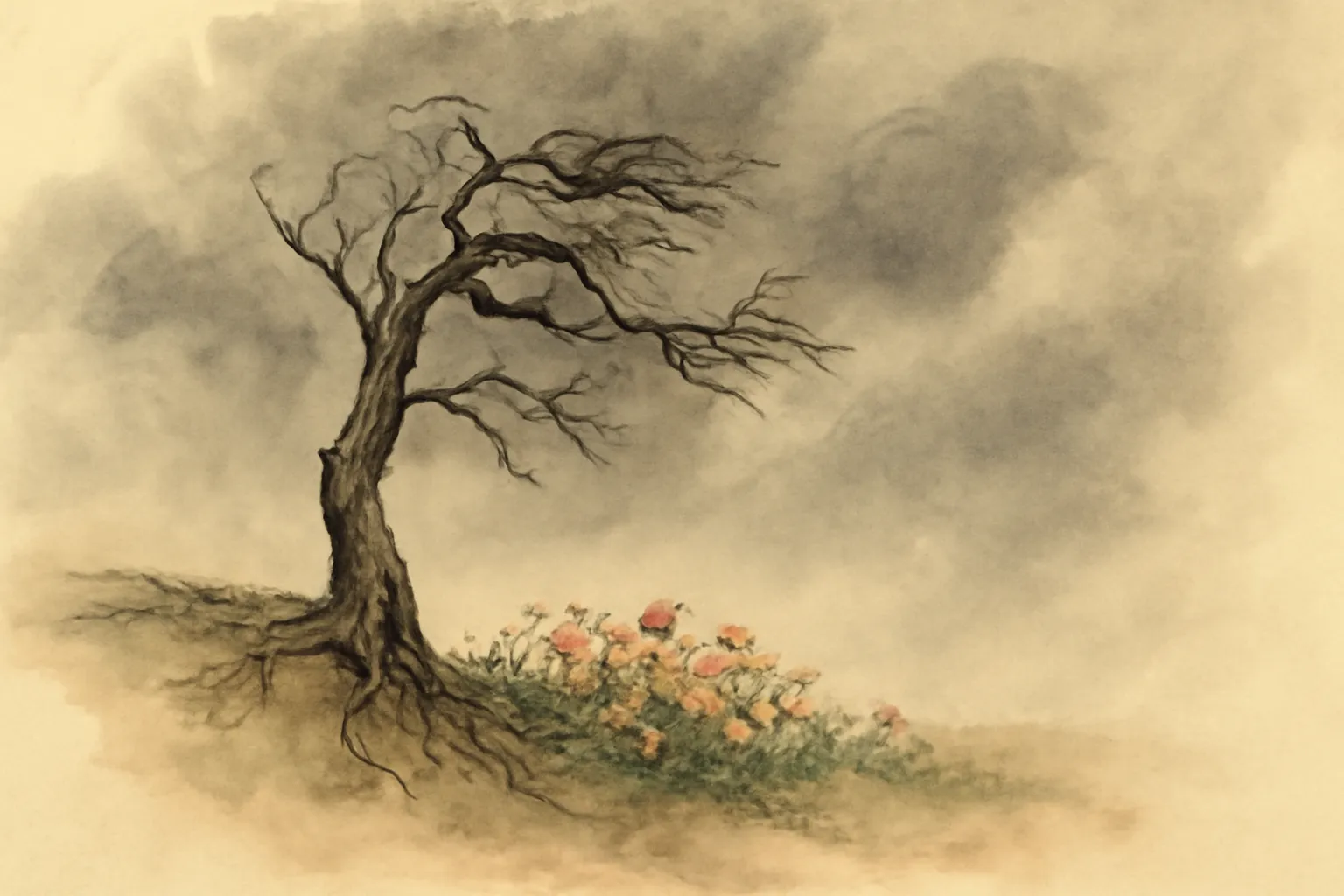
At its core, the novel is a testament to the resilience of those oppressed by slavery. Zarité, or Tété, is subjected to unimaginable cruelty, yet she finds ways to survive and maintain her dignity. Through her, Allende explores how enslaved people used faith, music, and community to endure, highlighting the quiet acts of resistance and the importance of inner strength. The narrative insists on the humanity of those enslaved, refusing to reduce them to mere victims, and instead foregrounds their agency and capacity for hope.
Allende delves into the tangled relationships between masters and slaves, particularly through the dynamic between Tété and Toulouse Valmorain. The novel refuses simplistic moral binaries, showing how dependence, affection, cruelty, and exploitation coexist in the plantation world. Valmorain is not a caricatured villain, but a product of his time, shaped by a system that dehumanizes everyone involved. This complexity forces readers to confront uncomfortable truths about complicity and the ways power distorts relationships.
“Slavery is a great wound in the soul of humanity.”
“Freedom is not a gift bestowed, but a right taken.”
