1.The Endurance of the Human Spirit
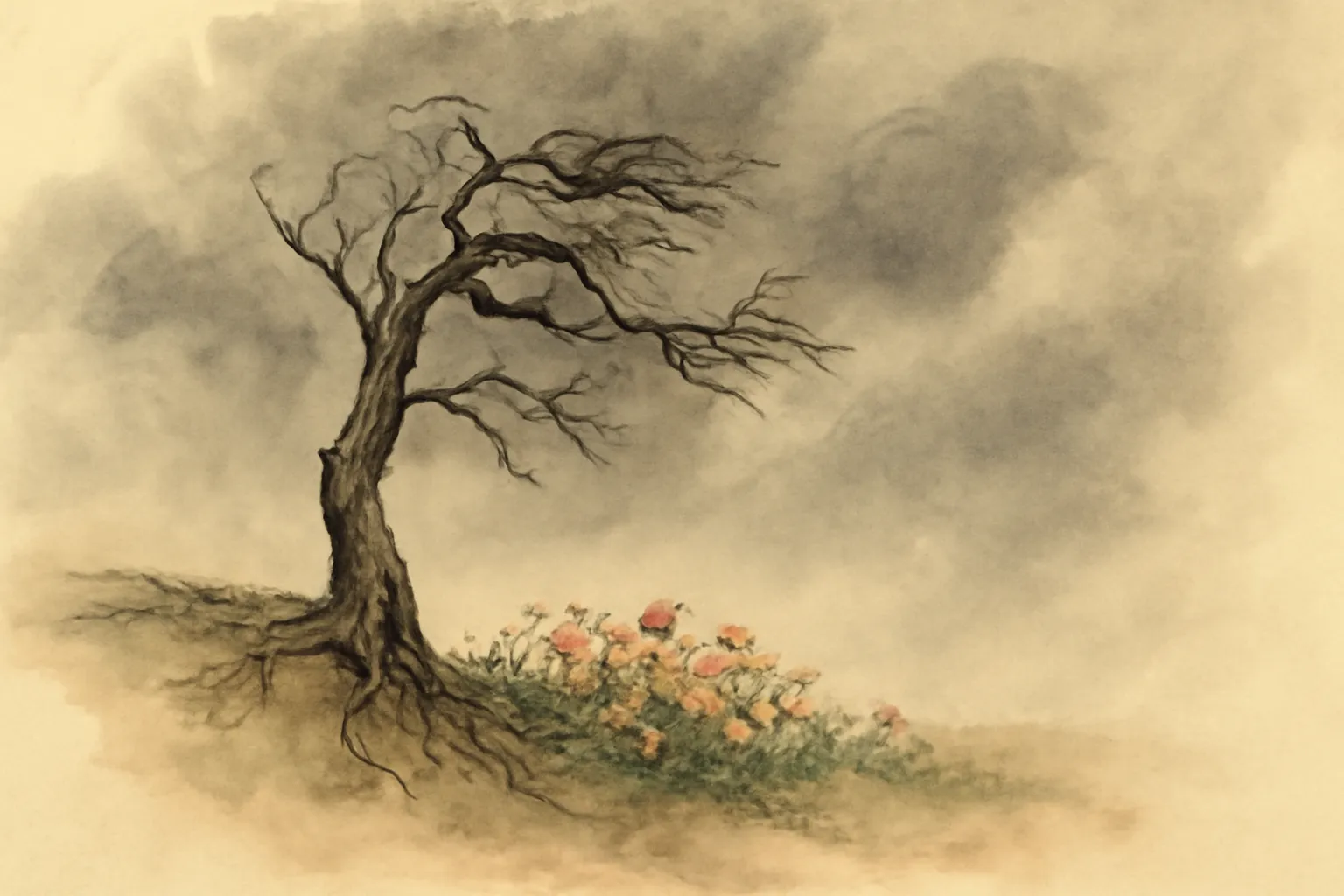
At its core, the novel is a testament to the resilience of those oppressed by slavery. Zarité, or Tété, is subjected to unimaginable cruelty, yet she finds ways to survive and maintain her dignity. Through her, Allende explores how enslaved people used faith, music, and community to endure, highlighting the quiet acts of resistance and the importance of inner strength. The narrative insists on the humanity of those enslaved, refusing to reduce them to mere victims, and instead foregrounds their agency and capacity for hope.
2.The Complexity of Power and Dependency
Allende delves into the tangled relationships between masters and slaves, particularly through the dynamic between Tété and Toulouse Valmorain. The novel refuses simplistic moral binaries, showing how dependence, affection, cruelty, and exploitation coexist in the plantation world. Valmorain is not a caricatured villain, but a product of his time, shaped by a system that dehumanizes everyone involved. This complexity forces readers to confront uncomfortable truths about complicity and the ways power distorts relationships.
3.Cultural Survival and Syncretism
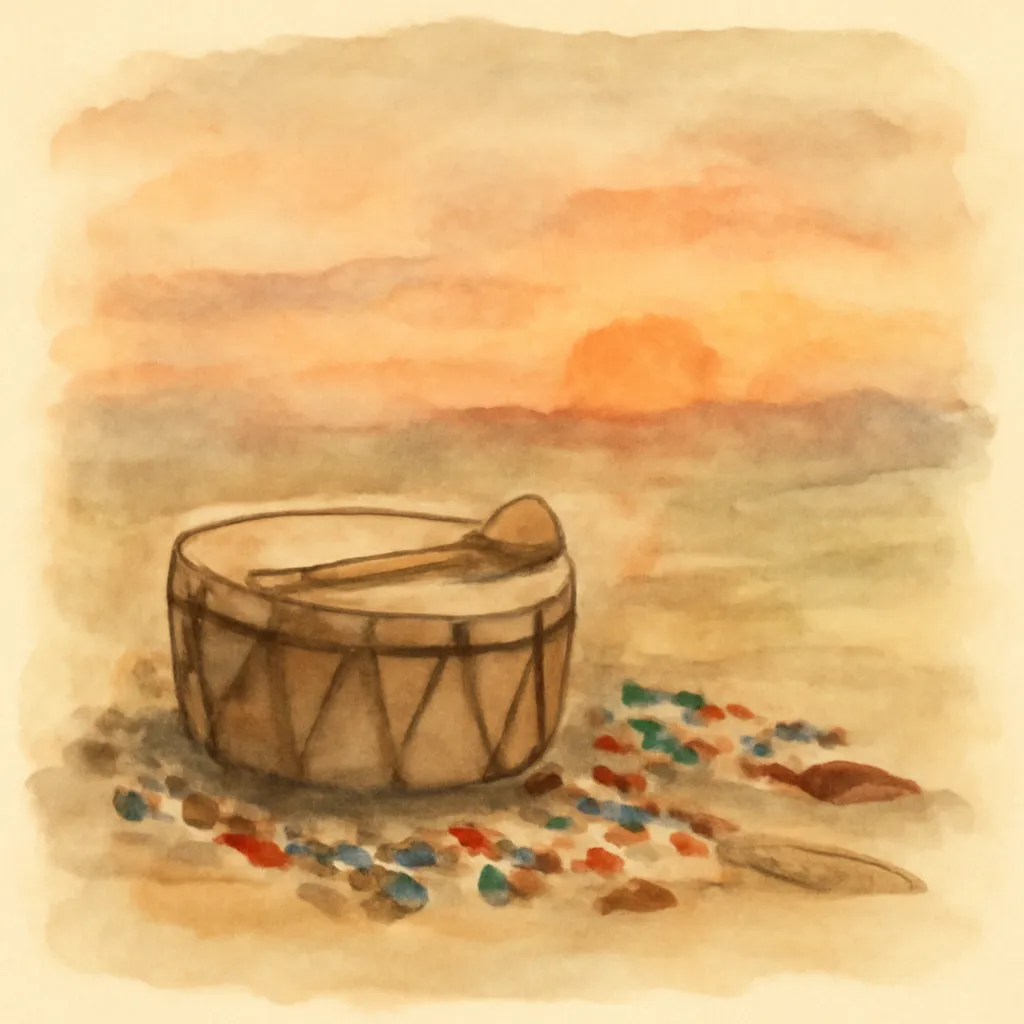
African traditions, especially music and religion, are lifelines for Tété and her community. Allende richly depicts how enslaved people preserved their heritage through rituals, storytelling, and the practice of voodoo, blending African, Indigenous, and European influences. This cultural syncretism becomes a form of resistance, a way to assert identity and maintain a sense of belonging in a hostile world. The novel celebrates the endurance and transformation of culture under oppression.
4.The Personal Cost of Revolution
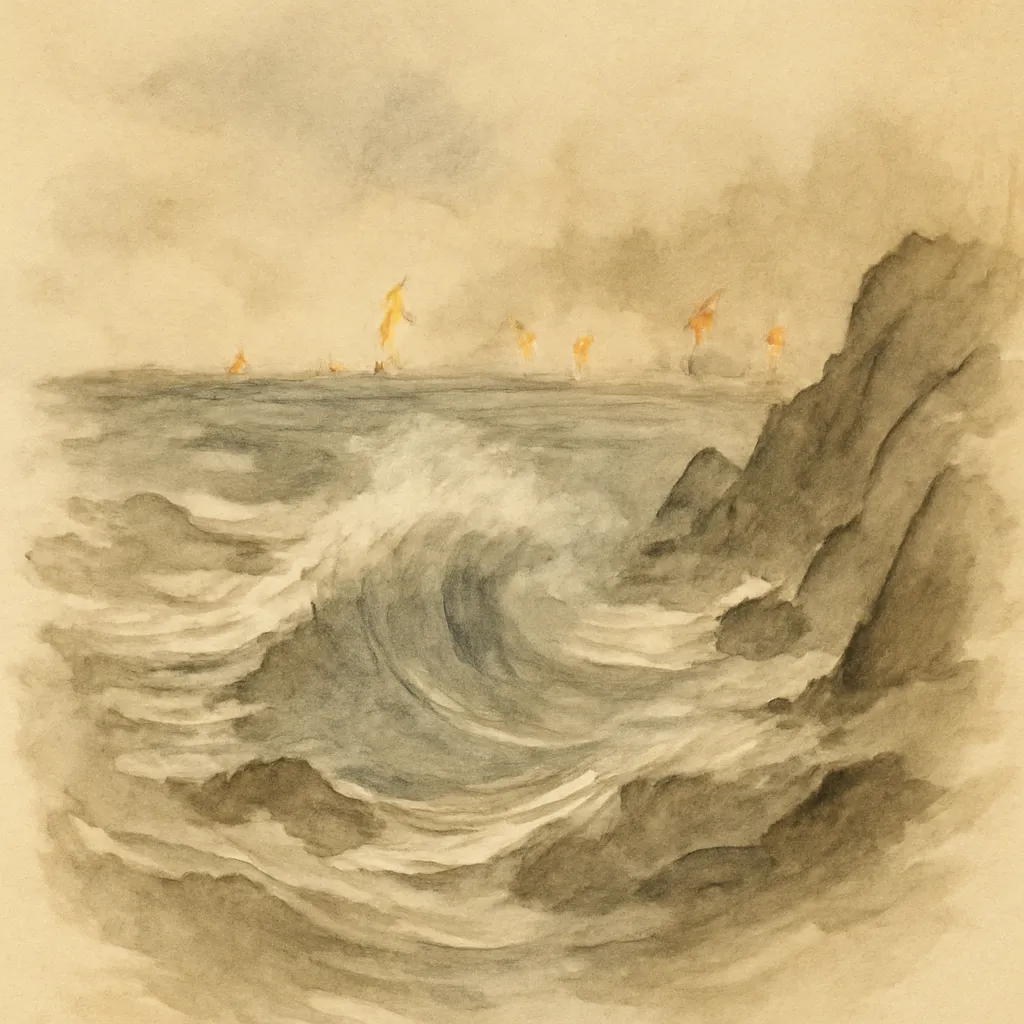
Set against the backdrop of the Haitian Revolution, the novel explores the seismic impact of political upheaval on individual lives. As Saint-Domingue erupts in violence and hope, Tété and those around her are swept up in forces beyond their control. Allende does not romanticize revolution; instead, she portrays its chaos, brutality, and the ambiguous aftermath for the formerly enslaved. The story becomes a meditation on the price of freedom and the ambiguity of liberation.
5.Women’s Agency Amid Patriarchy
Although Tété’s life is circumscribed by slavery and patriarchy, she carves out spaces for autonomy and self-definition. Allende foregrounds the experiences of women—enslaved, free, white, and Black—showing how they navigate and sometimes subvert the constraints imposed upon them. Through Tété’s journey, the novel interrogates motherhood, sexuality, and the bonds between women as sources of strength and survival.
6.Memory, Trauma, and Healing
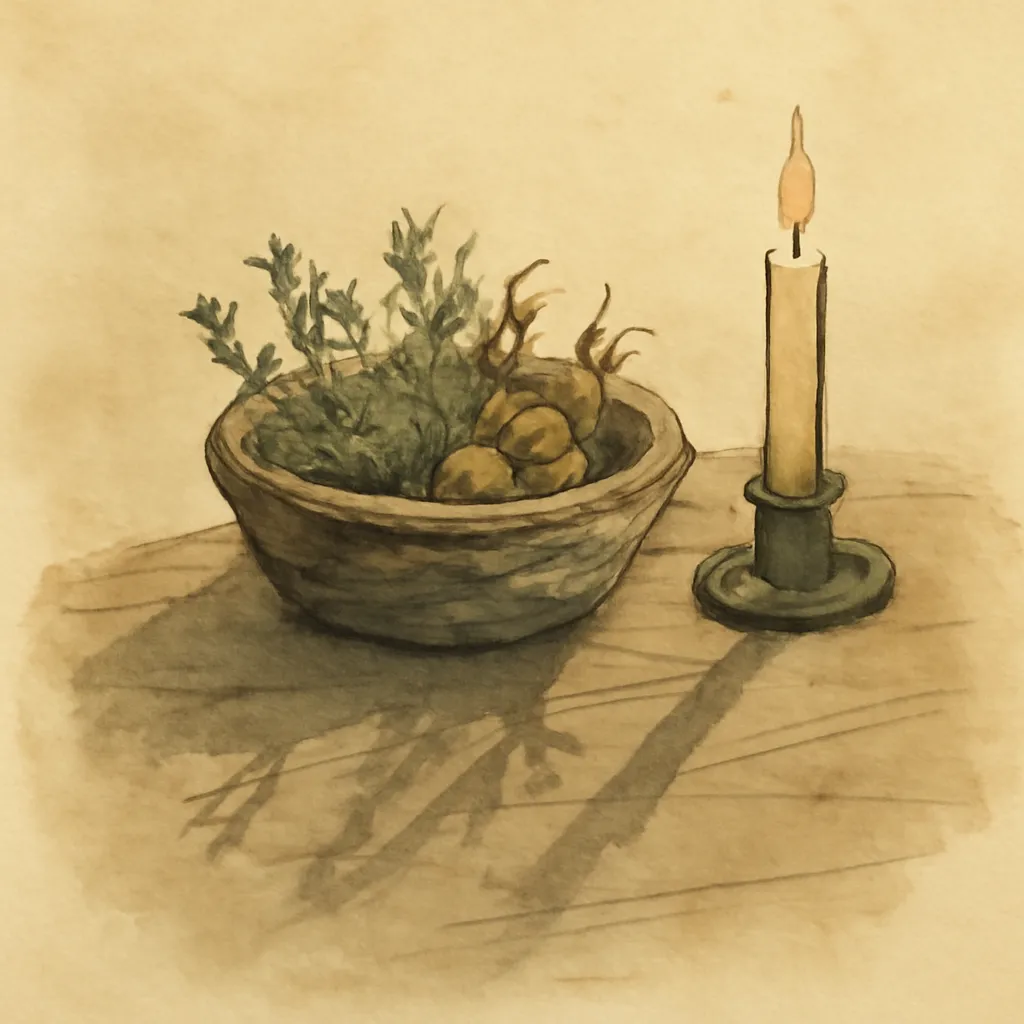
The novel is attentive to the psychological scars left by violence and loss. Tété’s memories—of her mother, her culture, her suffering—are both burdens and sources of strength. Allende suggests that healing is possible, but only through the acknowledgment of pain and the preservation of memory. The story is ultimately about reclaiming one’s narrative and forging a future from the fragments of a shattered past.