

Classic Literature · Concordances · Fiction
The Tale of Genji by Murasaki Shikibu — Summary, Key Ideas & Quotes
1900302 pages✦ 3-min Big ideas★ 4.0 (8)
Rate it
The most famous work of Japanese literature and the world's first novel—written a thousand years ago and one of the enduring classics of world literature. Written centuries before the time of Shakespeare and even Chaucer, The Tale of Genji marks the birth of the novel—and after more than a millennium, this seminal work continues to enchant readers throughout the world. Lady Murasaki Shikibu and her tale's hero, Prince Genji, have had an unmatched influence on Japanese culture. Prince Genji manifests what was to become an image of the ideal Heian era courtier; gentle and passionate. Genji is also a master poet, dancer, musician and painter. The Tale of Genji follows Prince Genji through his many loves, and varied passions. This book has influenced not only generations of courtiers and samurai of the distant past, but artists and painters even in modern times—episodes in the tale have been incorporated into the design of kimonos and handicrafts, and the four-line poems called waka which dance throughout this work have earned it a place as a classic text in the study of poetry. This version by Kencho Suematsu was the first-ever translation in English. Condensed, it's a quarter length of the unabridged text, making it perfect for readers with limited time. "Not speaking is the wiser part, And words are sometimes vain, But to completely close the heart In silence, gives me pain. —Prince Genji, in The Tale of Genji About the Author: Lady Murasaki Shikibu, born in 978, was a member of the famed Fujiwara clan-one of the most influential families of the Heian period. After the death of her husband, Shikibu immersed herself in Buddhism, and the religion's influence permeates her writing.
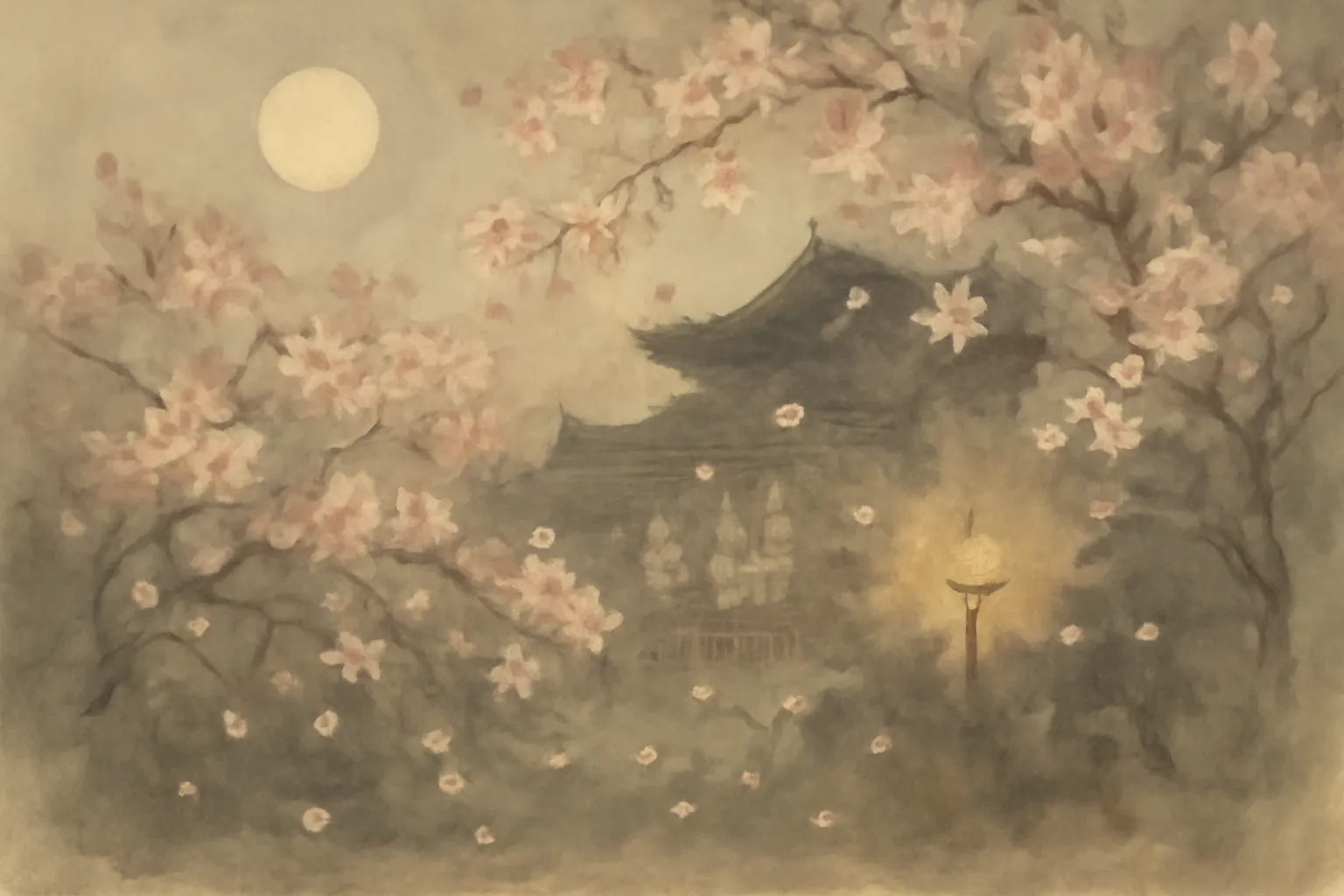
Murasaki Shikibu’s masterpiece is revolutionary for its deep exploration of character psychology. Unlike earlier epics or romances, The Tale of Genji delves into the inner lives, motivations, and emotional struggles of its characters, especially Prince Genji. The narrative lingers on subtle shifts in feeling, the pain of longing, jealousy, and regret. This interiority set a precedent for later literature, making Genji a prototype for the modern psychological novel.
A central theme is mono no aware—the awareness of the transience of things. The fleeting beauty of cherry blossoms, the passing of seasons, and the ephemeral nature of love and status all underscore the Heian court’s sensitivity to impermanence. This bittersweet appreciation for things that cannot last gives the novel its distinctive melancholy and poetic resonance.
“The shining Genji, so called by the world, was a man of remarkable charm.”
“The world knows not the worth of the jewel in its hand.”