1.The Birth of the Psychological Novel
Murasaki Shikibu’s masterpiece is revolutionary for its deep exploration of character psychology. Unlike earlier epics or romances, The Tale of Genji delves into the inner lives, motivations, and emotional struggles of its characters, especially Prince Genji. The narrative lingers on subtle shifts in feeling, the pain of longing, jealousy, and regret. This interiority set a precedent for later literature, making Genji a prototype for the modern psychological novel.
2.Impermanence and the Fragility of Beauty
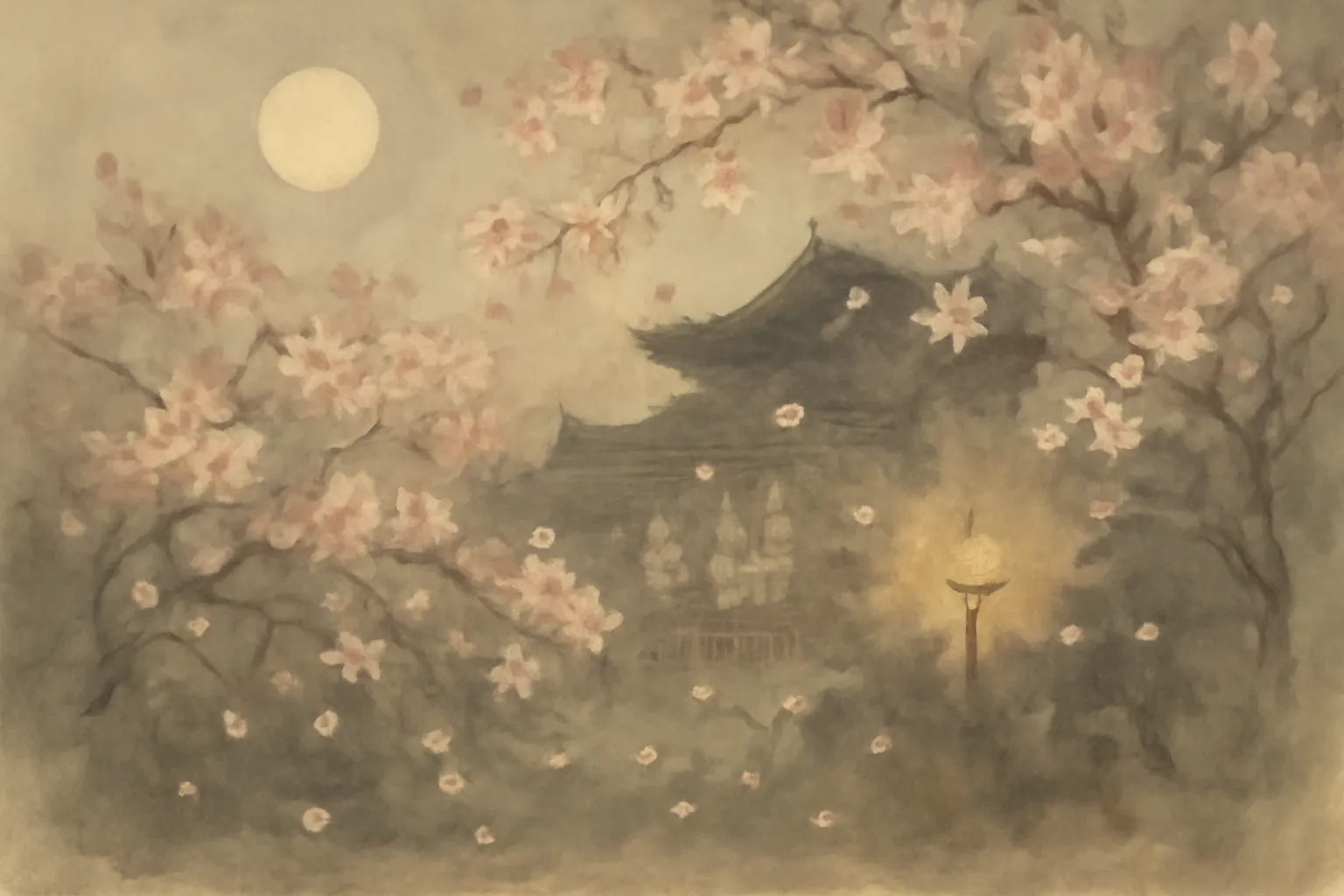
A central theme is mono no aware—the awareness of the transience of things. The fleeting beauty of cherry blossoms, the passing of seasons, and the ephemeral nature of love and status all underscore the Heian court’s sensitivity to impermanence. This bittersweet appreciation for things that cannot last gives the novel its distinctive melancholy and poetic resonance.
3.Courtly Life and Social Ritual
The Tale of Genji is a detailed portrait of Heian aristocratic society, with its rigid hierarchies, elaborate rituals, and aesthetic pursuits. From poetry contests to secret affairs, the novel immerses readers in a world where appearances, etiquette, and artistic skill are paramount. The intricacies of court life reveal both the beauty and the constraints of this rarefied world.
4.The Complexity of Love and Desire
Genji’s many romantic entanglements are not simple tales of conquest or seduction. Instead, the novel examines the consequences of desire—joy, heartbreak, guilt, and the ripple effects on families and society. Relationships are fraught with ambiguity, power dynamics, and the tension between personal longing and social duty.
5.Women’s Voices and Agency
Though written in a patriarchal era, the novel gives voice to its female characters, illuminating their inner lives and struggles. Murasaki Shikibu, herself a lady-in-waiting, subtly critiques the limitations placed on women, showing both their resilience and vulnerability. The fates of Genji’s lovers and descendants highlight the precarious position of women in court society.
6.Art, Poetry, and Aesthetic Sensibility
Artistry permeates every aspect of Genji’s world. Poetry is not just ornament but a vital means of communication and self-expression. The novel’s hundreds of waka poems, its attention to music, painting, and seasonal beauty, all create a tapestry where art and life are inseparable. This aestheticism is both a source of solace and a reminder of life’s fleeting pleasures.