
F. Anstey's tales weave humor and whimsy into poignant reflections on human nature, societal expectations, and the absurdity of life
Read full overviewShow less›
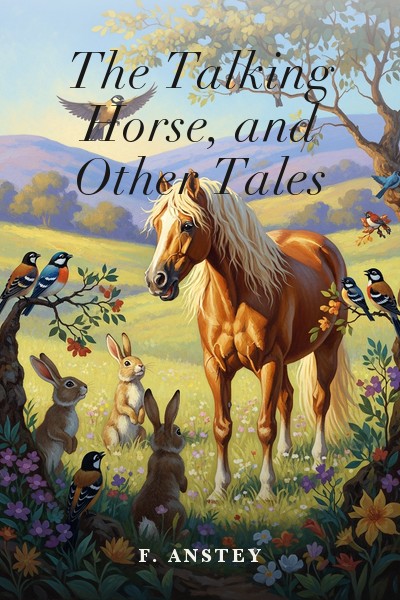
In 'The Talking Horse, and Other Tales,' F. Anstey crafts a delightful collection of stories that explore the peculiarities of human behavior through fantastical narratives and whimsical characters. Each tale serves as a humorous yet insightful commentary on societal norms, personal ambitions, and the folly of pride, all set against the backdrop of Victorian England's social intricacies. From a horse capable of speech to a child navigating familial misunderstandings, Anstey's stories invite readers to reflect on their own lives while enjoying the delightful absurdities of human nature. This collection not only entertains but also provides a mirror to our quirks, urging us to recognize the folly and humor in our own pursuits. With sharp wit and keen observation, Anstey delivers narratives that resonate on multiple levels, making this book a rich and rewarding reading experience.
F. Anstey's 'The Talking Horse, and Other Tales' serves as a delightful exploration of the quirks and complexities of human nature, cleverly wrapped in humor and whimsy. Through engaging narratives and memorable characters, Anstey critiques societal norms and invites readers to reflect on the absurdities that shape our lives. Each story is a reminder of the interplay between individuality and social expectations, as well as the enduring value of authenticity in a world often driven by superficial judgments. Anstey's ability to weave comedy with poignant commentary results in a timeless collection that resonates with readers, encouraging introspection and a deeper understanding of the human experience. Ultimately, this book not only entertains but also enlightens, making it a worthy addition to the literary canon.
- 1The Talking Horse: A Mirror to Identity and Social Conformity
- 2A Matter of Taste: The Subjectivity and Elusiveness of Aesthetic Appreciation
- 3The Good Little Girl: Innocence as a Tool for Manipulation
- 4Don: The Greedy Dog and the Mirror of Human Desires
- 5Taken by Surprise: The Burden of Reputation and Public Scrutiny
A glimpse inside

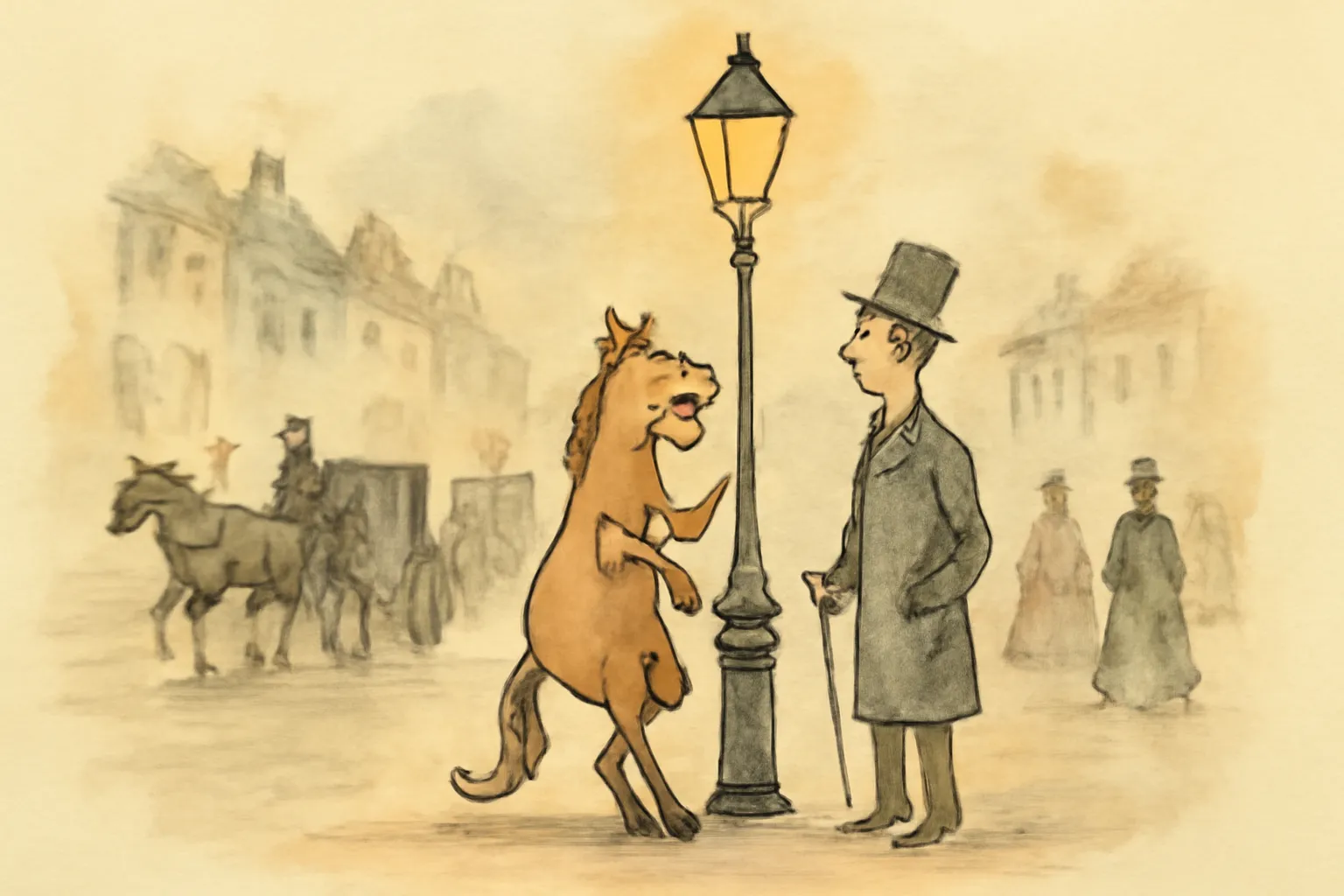
In the titular story 'The Talking Horse,' the protagonist, bewildered and bemused, inadvertently purchases a horse named Brutus, who possesses the remarkable ability to s… Read moreIn the titular story 'The Talking Horse,' the protagonist, bewildered and bemused, inadvertently purchases a horse named Brutus, who possesses the remarkable ability to speak. This absurd scenario is not merely a comedic device; it serves as a profound exploration of identity and social conformity. The protagonist's initial embarrassment and subsequent acceptance of Brutus challenge societal expectations about masculinity and success. Brutus, with his straightforward and often brutally honest remarks, forces the protagonist to confront his own insecurities and fears about public perception. The horse's candid nature acts as a catalyst for the protagonist's personal growth, as he learns to embrace his true self rather than the facade he had been maintaining to fit into societal norms. Anstey cleverly juxtaposes the protagonist's internal conflict with the external absurdity of owning a talking horse, illustrating the struggle between individuality and societal expectations that many face. Show less
In 'A Matter of Taste,' Anstey humorously navigates the subjective nature of artistic appreciation through the misadventures of a character who desperately seeks to prove… Read moreIn 'A Matter of Taste,' Anstey humorously navigates the subjective nature of artistic appreciation through the misadventures of a character who desperately seeks to prove his refined taste in art. This story satirizes the pretentiousness often associated with the art world, as the protagonist engages in increasingly ludicrous schemes to impress those around him. Anstey employs witty dialogue and absurd scenarios to highlight how taste is frequently influenced more by social status than by genuine appreciation. The protagonist's failure to secure approval from his peers ultimately reveals the folly of assuming that taste can be objectively measured. By exposing the inconsistencies in his character's quest for validation, Anstey prompts readers to reflect on their own biases and the societal pressures that shape their perceptions of art and culture. This tale serves as a reminder that the pursuit of external validation can lead to self-deception and disillusionment, encouraging a more authentic approach to personal preferences. Show less
Read the full text — free
About the author
F. Anstey has 2 works free to read on Lumina, including Vice Versa; or, A Lesson to Fathers
All 2 books by F. Anstey →