1.The Talking Horse: A Mirror to Identity and Social Conformity
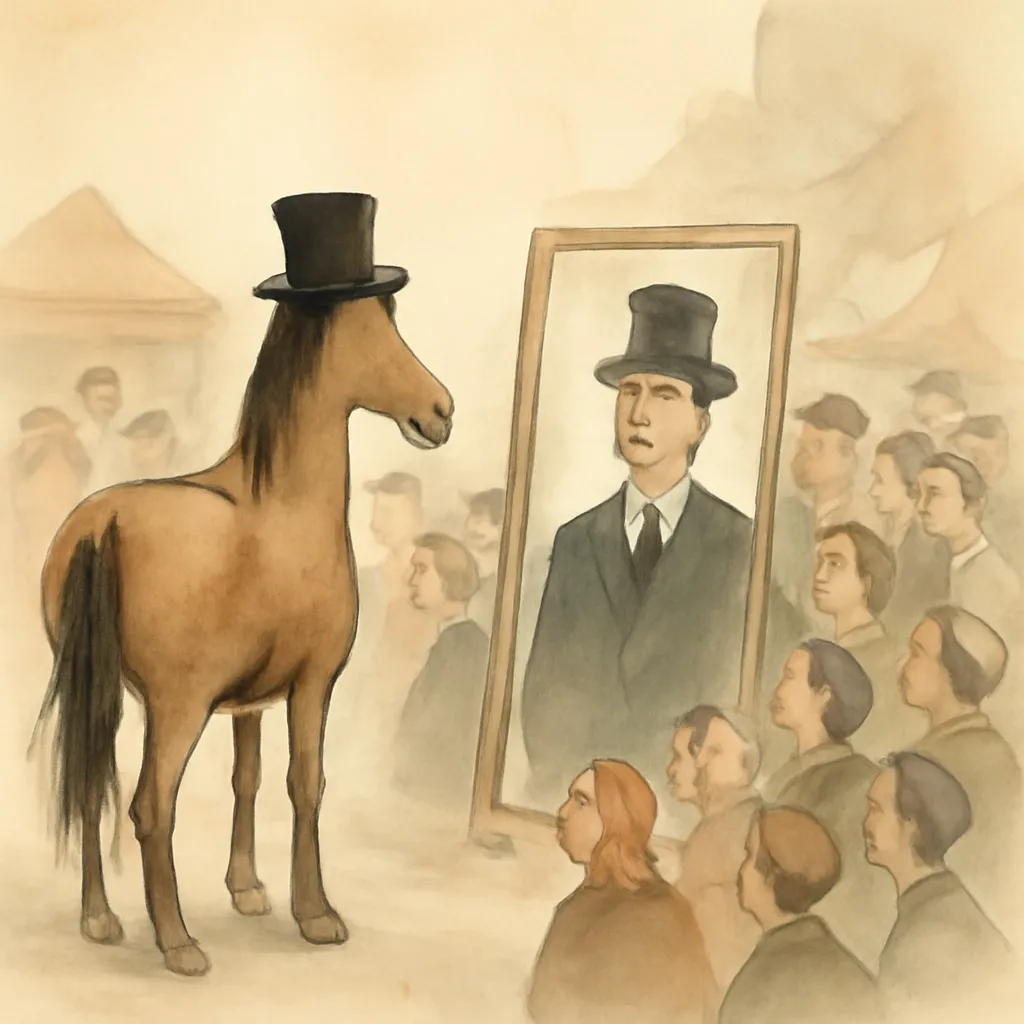
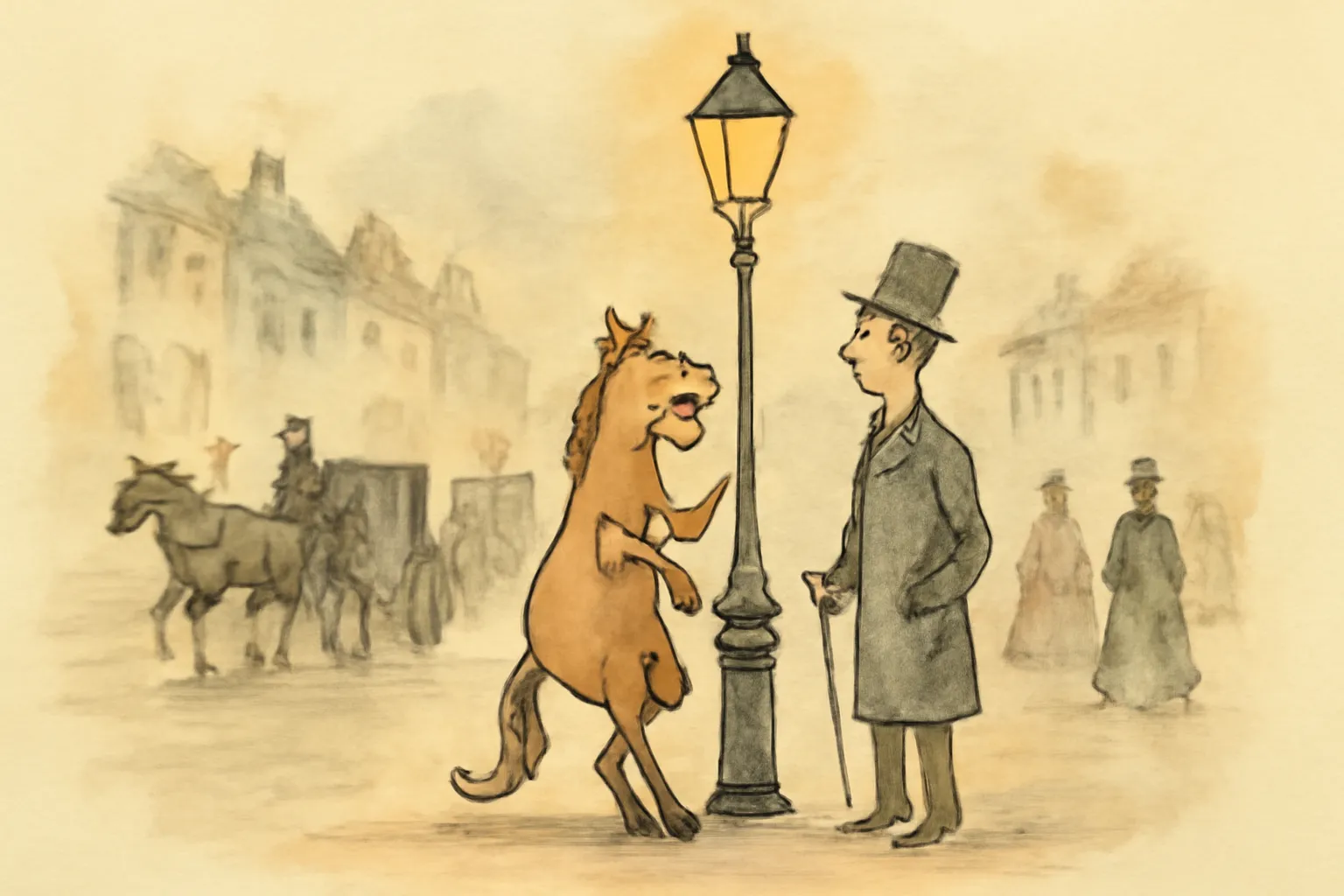
In the titular story 'The Talking Horse,' the protagonist, bewildered and bemused, inadvertently purchases a horse named Brutus, who possesses the remarkable ability to speak. This absurd scenario is not merely a comedic device; it serves as a profound exploration of identity and social conformity. The protagonist's initial embarrassment and subsequent acceptance of Brutus challenge societal expectations about masculinity and success. Brutus, with his straightforward and often brutally honest remarks, forces the protagonist to confront his own insecurities and fears about public perception. The horse's candid nature acts as a catalyst for the protagonist's personal growth, as he learns to embrace his true self rather than the facade he had been maintaining to fit into societal norms. Anstey cleverly juxtaposes the protagonist's internal conflict with the external absurdity of owning a talking horse, illustrating the struggle between individuality and societal expectations that many face.
2.A Matter of Taste: The Subjectivity and Elusiveness of Aesthetic Appreciation
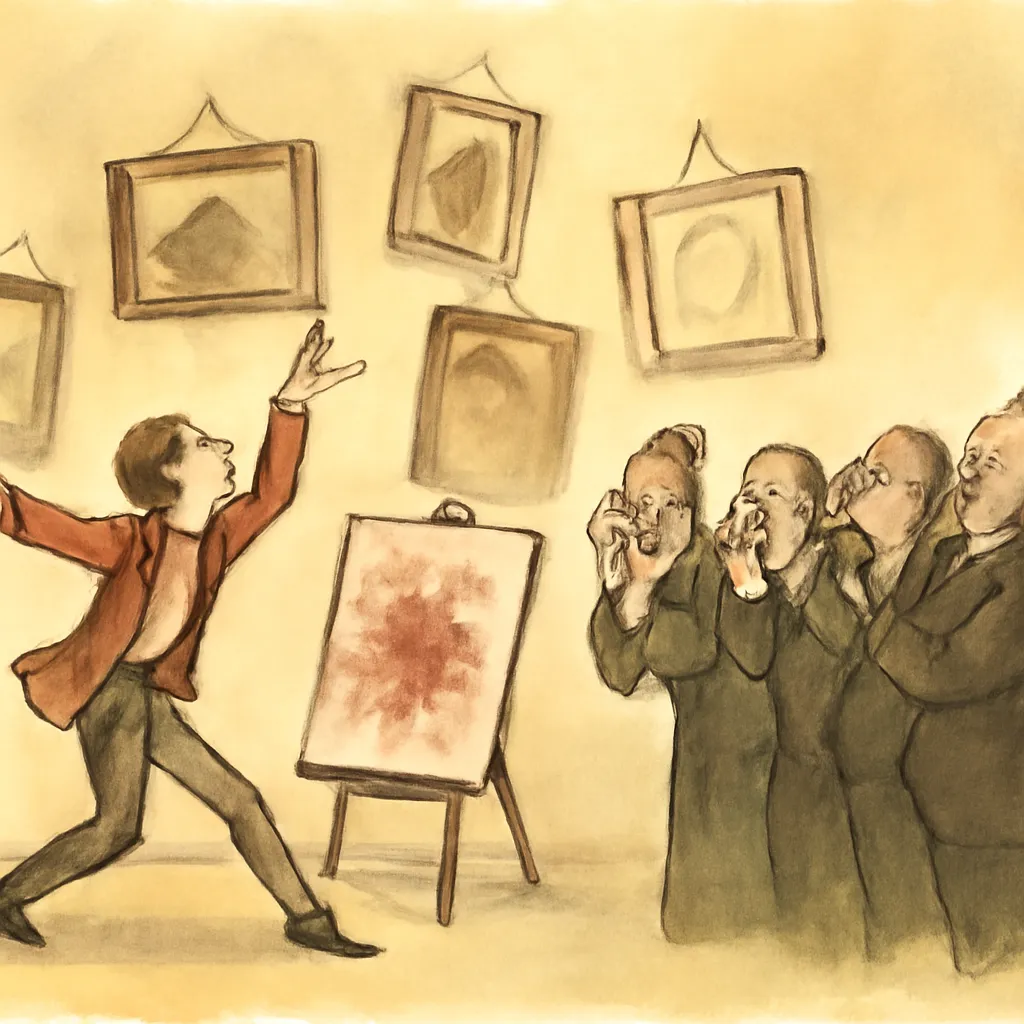
In 'A Matter of Taste,' Anstey humorously navigates the subjective nature of artistic appreciation through the misadventures of a character who desperately seeks to prove his refined taste in art. This story satirizes the pretentiousness often associated with the art world, as the protagonist engages in increasingly ludicrous schemes to impress those around him. Anstey employs witty dialogue and absurd scenarios to highlight how taste is frequently influenced more by social status than by genuine appreciation. The protagonist's failure to secure approval from his peers ultimately reveals the folly of assuming that taste can be objectively measured. By exposing the inconsistencies in his character's quest for validation, Anstey prompts readers to reflect on their own biases and the societal pressures that shape their perceptions of art and culture. This tale serves as a reminder that the pursuit of external validation can lead to self-deception and disillusionment, encouraging a more authentic approach to personal preferences.
3.The Good Little Girl: Innocence as a Tool for Manipulation
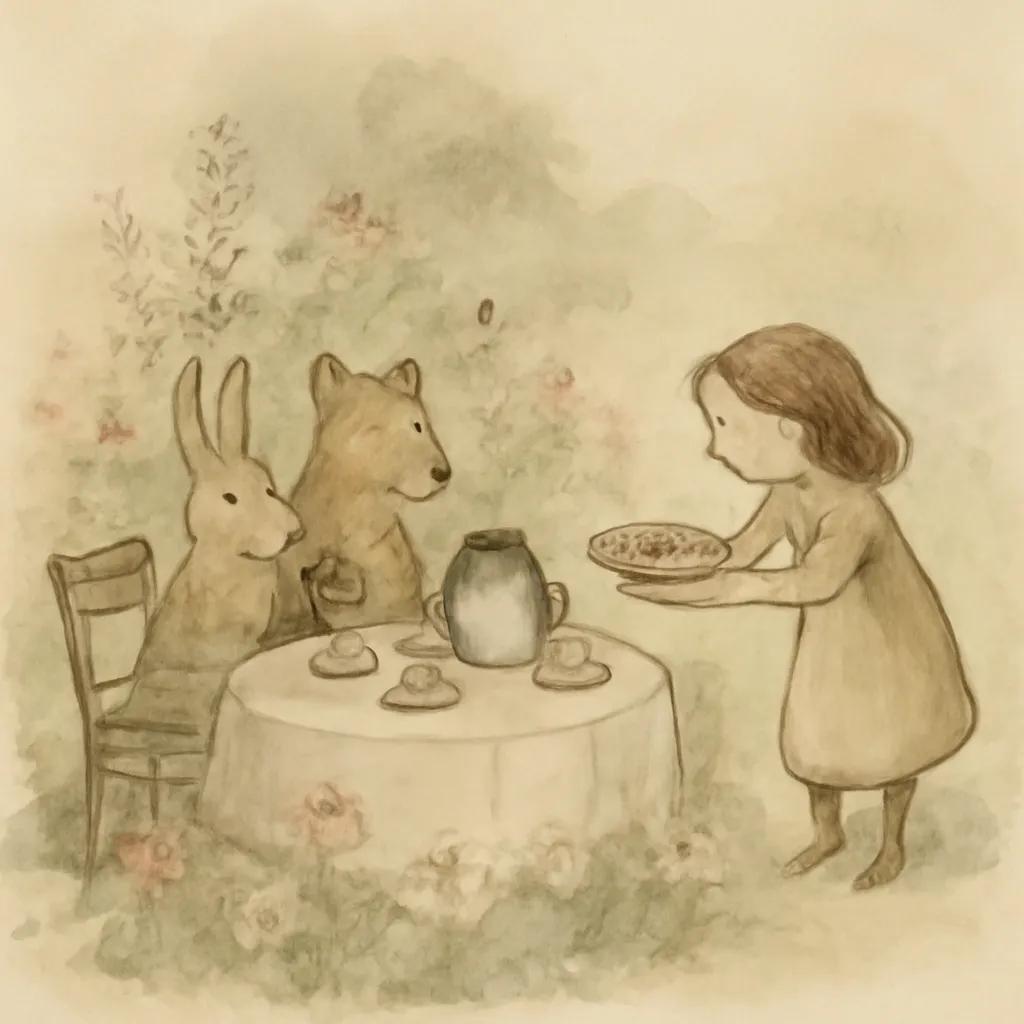
In 'The Good Little Girl,' Anstey explores the nuanced dynamics of innocence and manipulation through the experiences of a young girl whose good intentions often lead to unintended consequences. Her actions, although driven by a desire to be helpful, result in manipulative outcomes that challenge the notion of pure innocence. Anstey cleverly illustrates how children can wield emotional influence over adults, demonstrating that even the most innocent motives can be tinged with the desire for control. The girl's interactions with her family reveal deeper insights into familial relationships, exposing the delicate balance between affection and manipulation. Anstey's humor underscores the complexities of these interactions, prompting readers to consider the underlying motivations in their own relationships. This story encourages a re-examination of how innocence can coexist with cunning, ultimately leading to a richer understanding of human behavior.
4.Don: The Greedy Dog and the Mirror of Human Desires
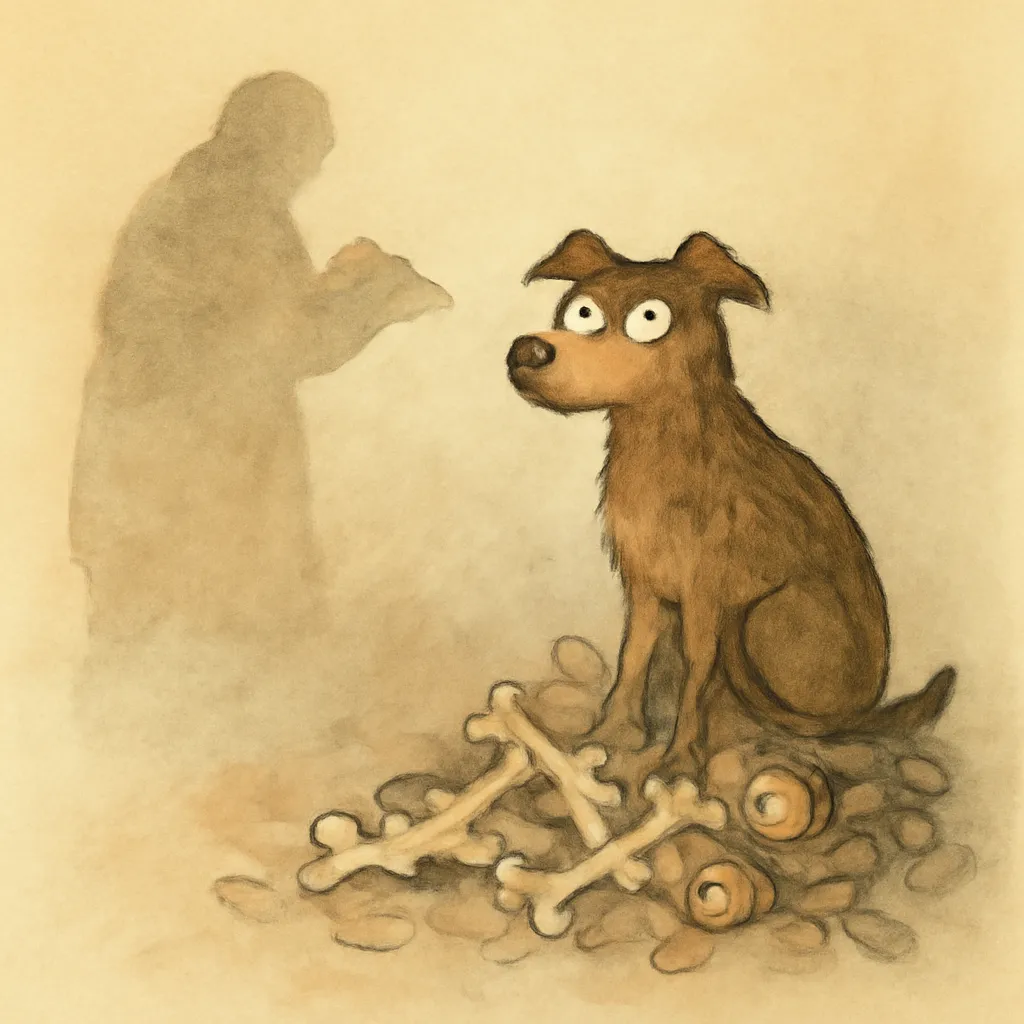
In 'Don: The Story of a Greedy Dog,' Anstey uses the character of Don, an insatiably greedy dog, to explore themes of excess and the consequences of unchecked desires. Don's antics, driven by his craving for food and attention, serve as a humorous reflection of human behavior and societal indulgences. Anstey cleverly portrays Don's relentless pursuit of satisfaction, which leads him into a series of comical yet troubling predicaments, highlighting the absurdity of our own greedy impulses. Through Don's misadventures, Anstey critiques societal values that prioritize consumption and excess over moderation and restraint. The dog's transformation from a greedy creature to one that learns balance becomes a metaphor for the human experience in a consumer-driven world. This story serves as a whimsical yet poignant reminder of the importance of self-control and the dangers of succumbing to our basest instincts.
5.Taken by Surprise: The Burden of Reputation and Public Scrutiny
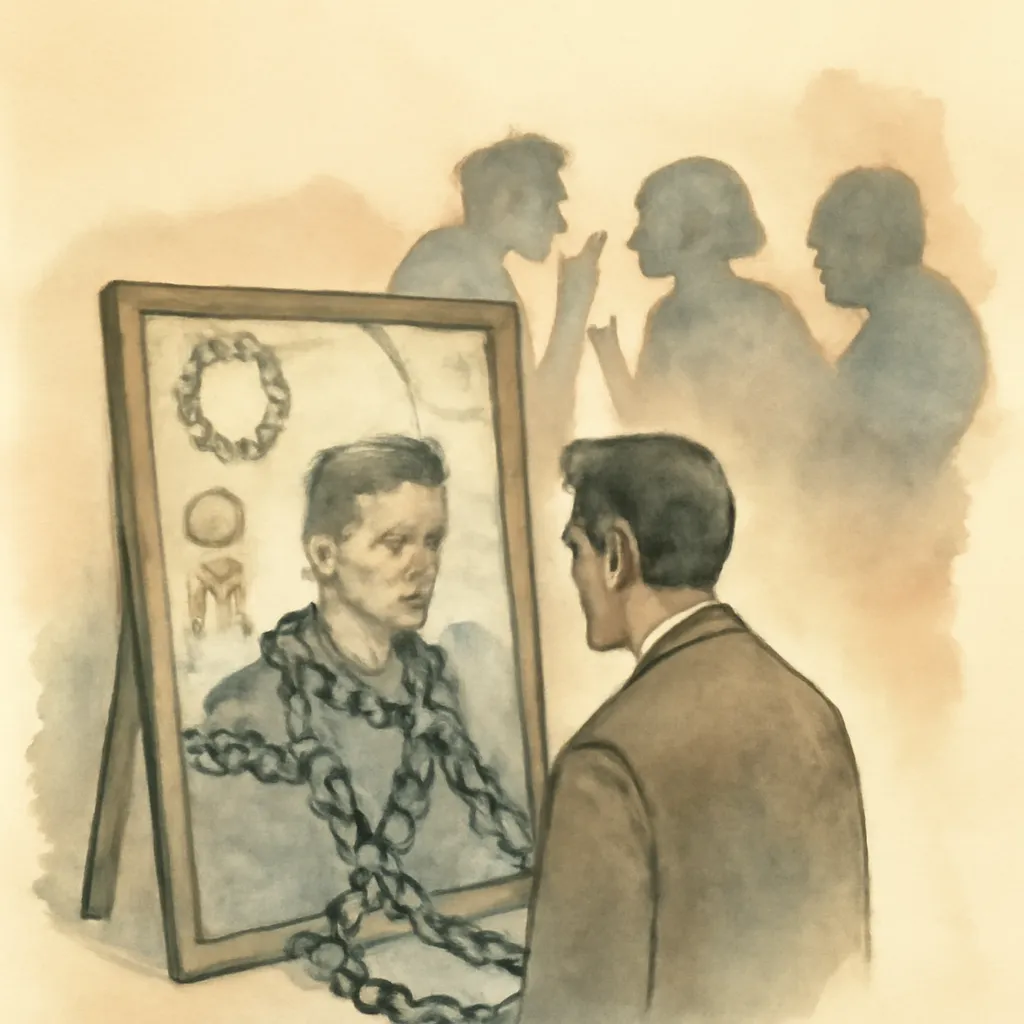
In 'Taken by Surprise,' the protagonist grapples with the heavy burden of public perception as he navigates a scandal that threatens to tarnish his reputation. Anstey deftly examines how societal expectations can warp personal identity and relationships, as the protagonist's attempts to salvage his dignity lead to increasingly absurd situations. The interplay between truth and public perception becomes central to the narrative, as misunderstandings spiral out of control and the protagonist faces the consequences of being misjudged. Anstey's use of humor to depict the ridiculous nature of public opinion highlights the fragility of reputation and the arbitrary standards by which individuals are often judged. This story prompts readers to consider the impact of societal scrutiny on personal lives and the lengths to which one may go to protect their public image. Ultimately, it serves as a cautionary tale about the potential dangers of allowing external judgments to dictate one's self-worth.
6.Pale Face and Redskin: Cultural Stereotypes and Misunderstandings
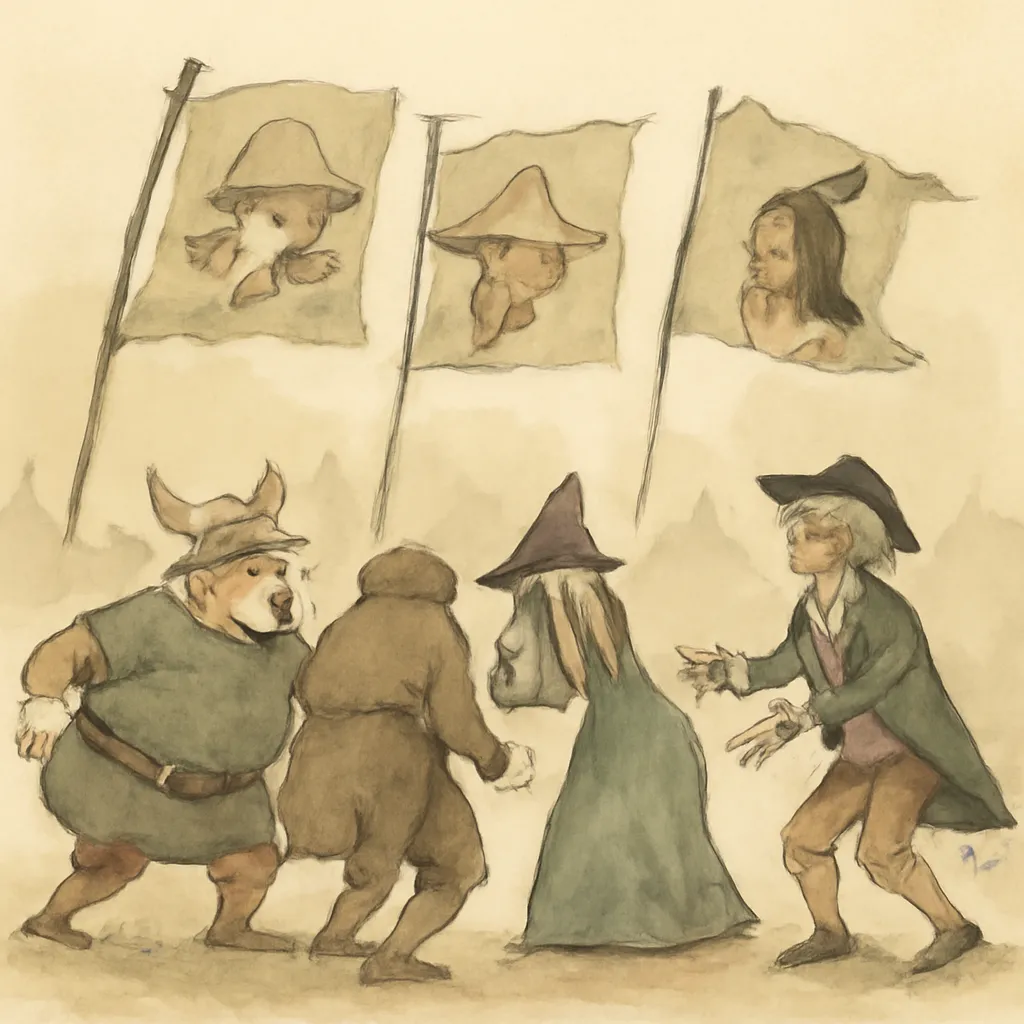
In 'Pale Face and Redskin,' Anstey tackles the theme of cultural stereotypes through a comedic narrative that reveals the absurdity of preconceived notions about different cultures. The story unfolds as characters navigate a series of misunderstandings based on their assumptions about one another, particularly regarding their backgrounds. Anstey employs humor to critique the simplistic views often held by individuals about those from different cultures, emphasizing the importance of empathy and understanding. The characters' interactions serve to highlight the complexities of identity, and Anstey's lighthearted approach encourages readers to question their own biases and preconceived notions. By illuminating the absurdity of stereotypes, this story fosters a deeper appreciation for cultural diversity and the richness it brings to human experience. Anstey's narrative ultimately advocates for a more nuanced understanding of others, reminding readers that genuine connection transcends superficial labels.
7.Tommy's Hero: The Perils of Idealization and the Search for Authenticity
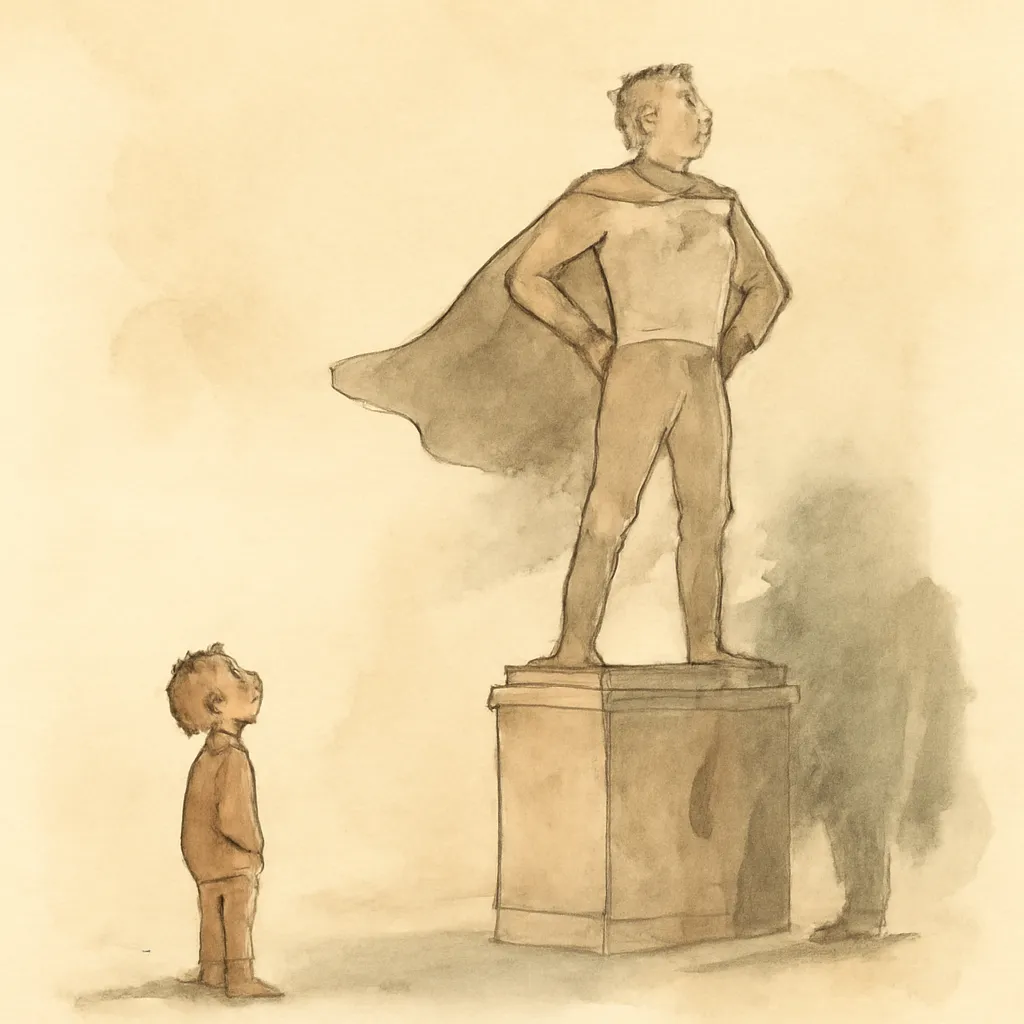
In 'Tommy's Hero,' Anstey explores the theme of idealization and the impact of role models on personal identity through the eyes of a young boy named Tommy. The narrative follows Tommy's infatuation with a fictional hero, leading him to navigate the complexities of hero worship and the reality of human flaws. Anstey captures the innocence and fervor of Tommy's admiration, juxtaposing it with the eventual disillusionment that comes from discovering the imperfections of his idol. This story serves as a reflection on the dangers of placing individuals on pedestals, as it can lead to disillusionment and a distorted sense of self. Through Tommy's journey, Anstey encourages readers to embrace their own imperfections and recognize the value of authenticity over idealization. The narrative ultimately underscores the importance of finding heroes in everyday life, rather than in unattainable ideals, promoting a more realistic understanding of admiration and self-acceptance.
8.A Canine Ishmael: Loyalty, Betrayal, and the Complexity of Companionship
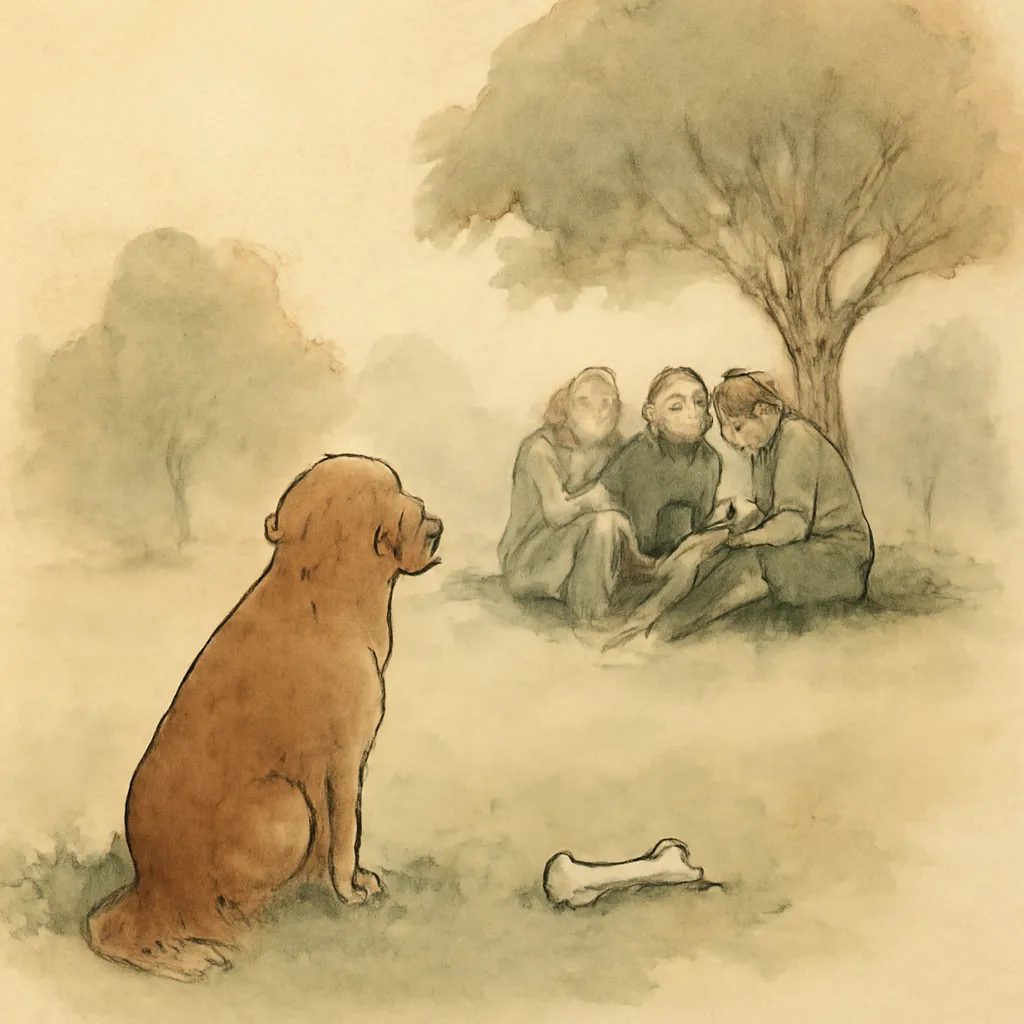
In 'A Canine Ishmael,' Anstey crafts a narrative centered on loyalty and betrayal through the eyes of a dog navigating the complexities of human relationships. The story follows the dog's perspective as he observes the dynamics of loyalty among his human companions, often with humorous misunderstandings. Anstey uses the dog's point of view to illustrate the often arbitrary nature of loyalty, contrasting the dog's unwavering devotion with the fickleness of human emotions. This narrative invites readers to reflect on the nature of loyalty and the expectations we place on our relationships. As the dog grapples with feelings of betrayal and loyalty, Anstey critiques the complexities of human bonds, reminding readers that loyalty is often tested in the face of adversity. Ultimately, this story serves as a reminder of the profound connections that can exist between humans and animals, and the lessons we can learn about loyalty, fidelity, and the importance of genuine companionship.
9.Marjory: The Complexity of Young Love and Misunderstanding
In 'Marjory,' Anstey delves into the intricacies of young love and the misunderstandings that can arise in relationships. The protagonist's infatuation with Marjory, a childhood companion, reveals the tumultuous nature of early romantic experiences. Anstey captures the intensity of youthful emotions while exploring the confusion and uncertainties that accompany first love. As the protagonist navigates his feelings for Marjory, he grapples with moments of joy, jealousy, and heartache, painting a vivid picture of the challenges that young love often entails. Through this narrative, Anstey invites readers to reflect on their own experiences with affection and the ways in which early relationships shape our understanding of love and connection. The story serves as a bittersweet reminder of the complexities of growing up, emphasizing the lasting impact that first loves can have on our lives.