Fiction
Vice Versa; or, A Lesson to Fathers by F. Anstey — Summary, Key Ideas & Full Text
310 pages19 chapters6h 13m read4h 25m speed read✦ 9-min Big ideasFree · no account
Rate it
A humorous exploration of parental responsibilities through a fantastical body-swap narrative
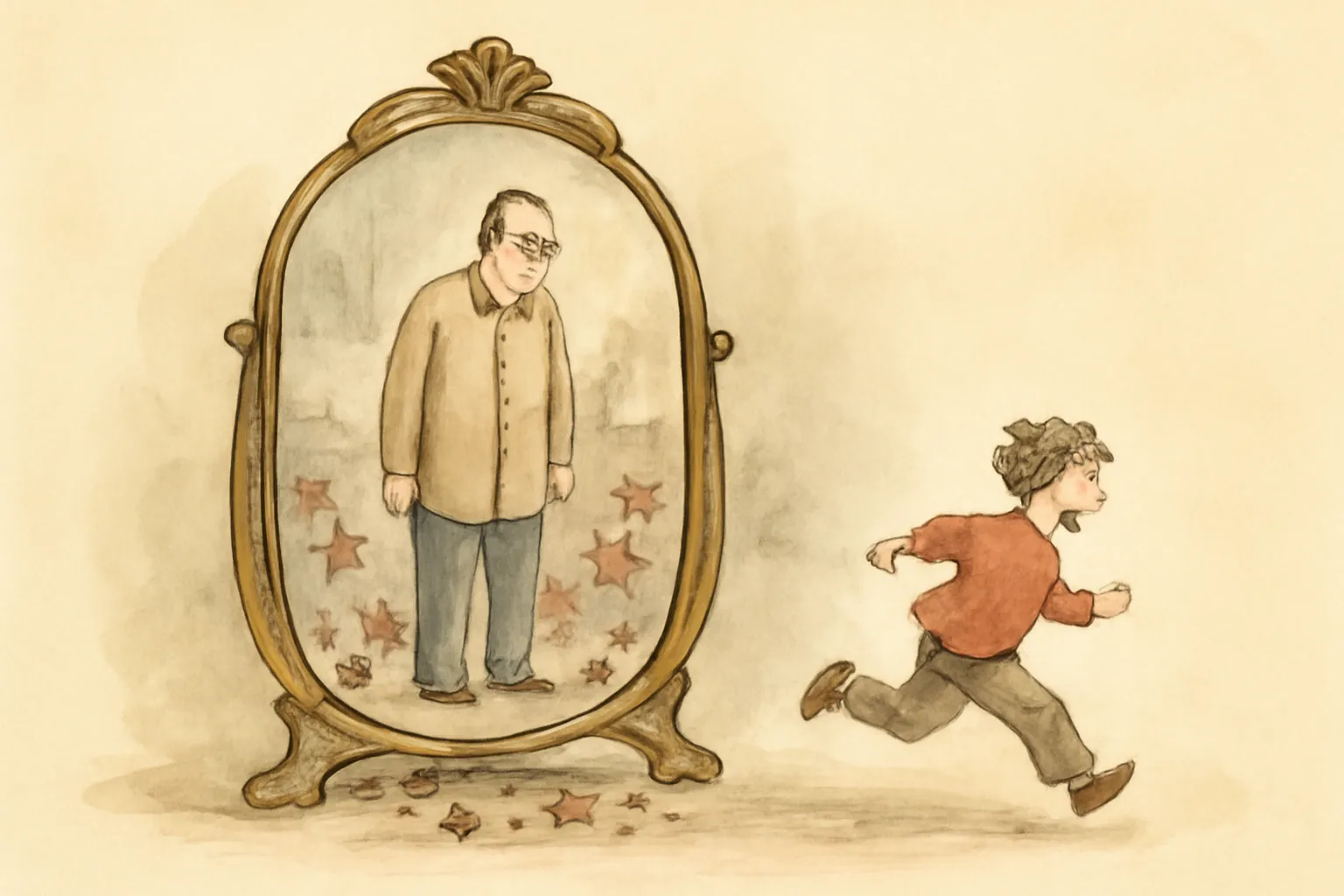
In 'Vice Versa; or, A Lesson to Fathers,' F. Anstey weaves a delightful and satirical tale that challenges the dynamics of family life and the responsibilities of fatherhood. The story follows Paul Bultitude, a pompous merchant who magically swaps bodies with his mischievous son, Dick, leading to a series of comedic yet insightful events. Readers will find themselves immersed in a world where the roles of parent and child are hilariously reversed, prompting reflections on authority, childhood, and the trials of growing up. Anstey's clever commentary on societal expectations and familial relationships resonates across generations, making this a timeless exploration of the challenges faced by both parents and children. With its blend of humor and poignant moments, the novel encourages us to reconsider our perceptions of parenting and the innocence of youth.
In 'Vice Versa; or, A Lesson to Fathers,' F. Anstey crafts a witty and insightful narrative that challenges readers to reconsider the roles of parents and children. Through the comedic lens of a body-swap, the story explores themes of authority, understanding, and the complexities of familial relationships. Anstey's ability to blend humor with poignant reflections on childhood and adulthood allows for a rich exploration of the challenges faced by both generations. Ultimately, the novel serves as a reminder that parenting is a journey of growth and self-discovery, highlighting the importance of empathy and communication in nurturing healthy family dynamics. As readers reflect on the lessons presented, they are encouraged to embrace the absurdities of life and the invaluable connections that define our relationships.
“Boys are capital fellows in their own way among their mates; but they are unwholesome companions for grown people.”
“Isn't it a talisman, though?”
“I beseech you let his lack of years be no impediment to let him lack a reverend estimation, for I never knew so young a body with so old a head.”
F. Anstey has 2 works free to read on Lumina, including The Talking Horse, and Other Tales
All 2 books by F. Anstey →