1.The Weight of Expectations
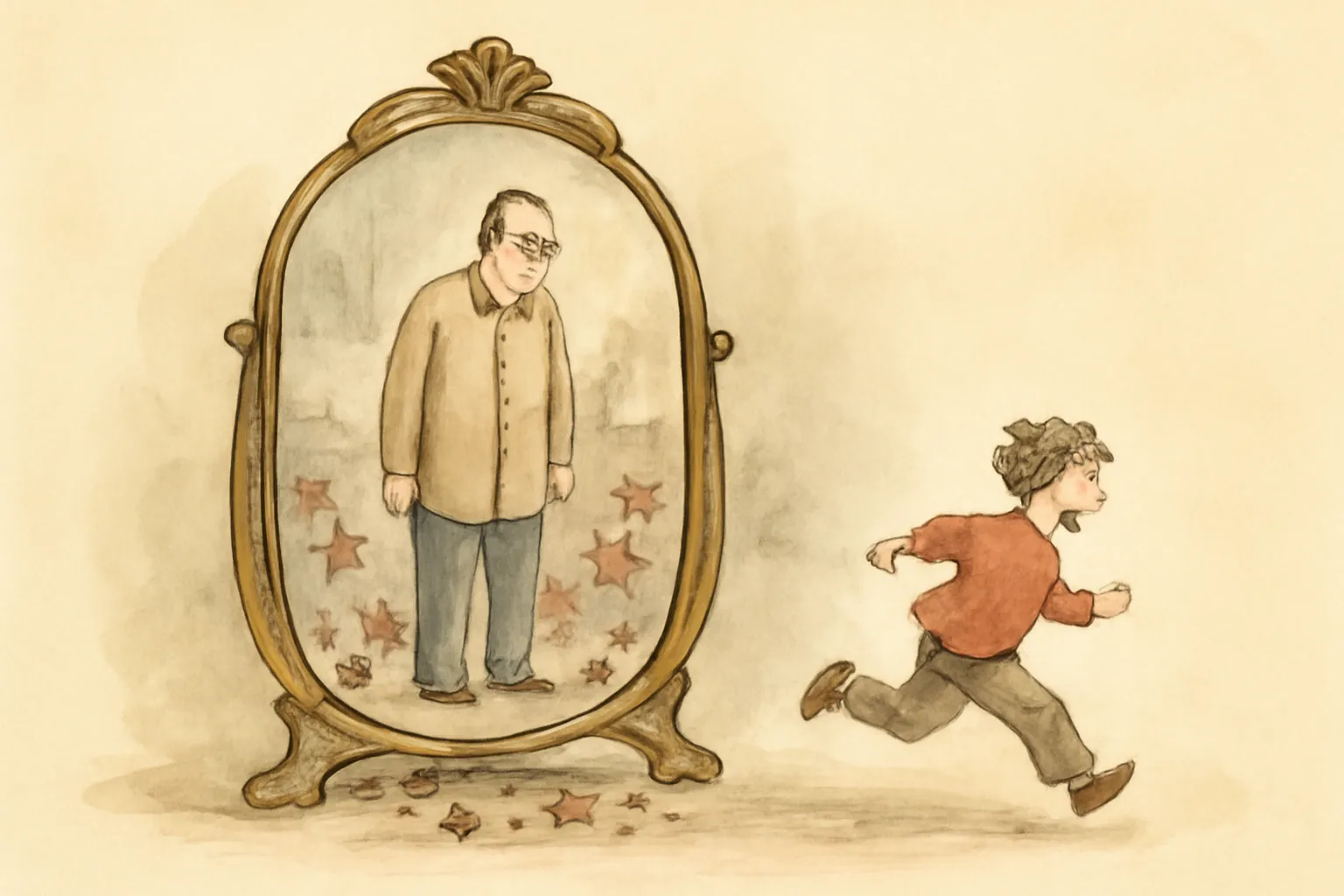
Paul Bultitude epitomizes the pressures of adult life as he navigates the expectations of being a father and a businessman. His character is marked by a pompous demeanor, suggesting that he feels the burden of societal norms that dictate how a father should behave. When he wakes up in his son Dick's body, Paul is forced to confront the absurdity of these expectations. Instead of merely adhering to them, he must navigate the school environment, where his adult sensibilities clash with the carefree, often chaotic nature of childhood. This transformation serves as a critique of the rigid expectations placed on parents, revealing how they can often lose touch with their own childhood experiences. Anstey uses humor to illustrate that the ideals of parenthood can be as stifling as they are noble, highlighting the need for flexibility and understanding in familial roles.
2.The Joys and Trials of Childhood
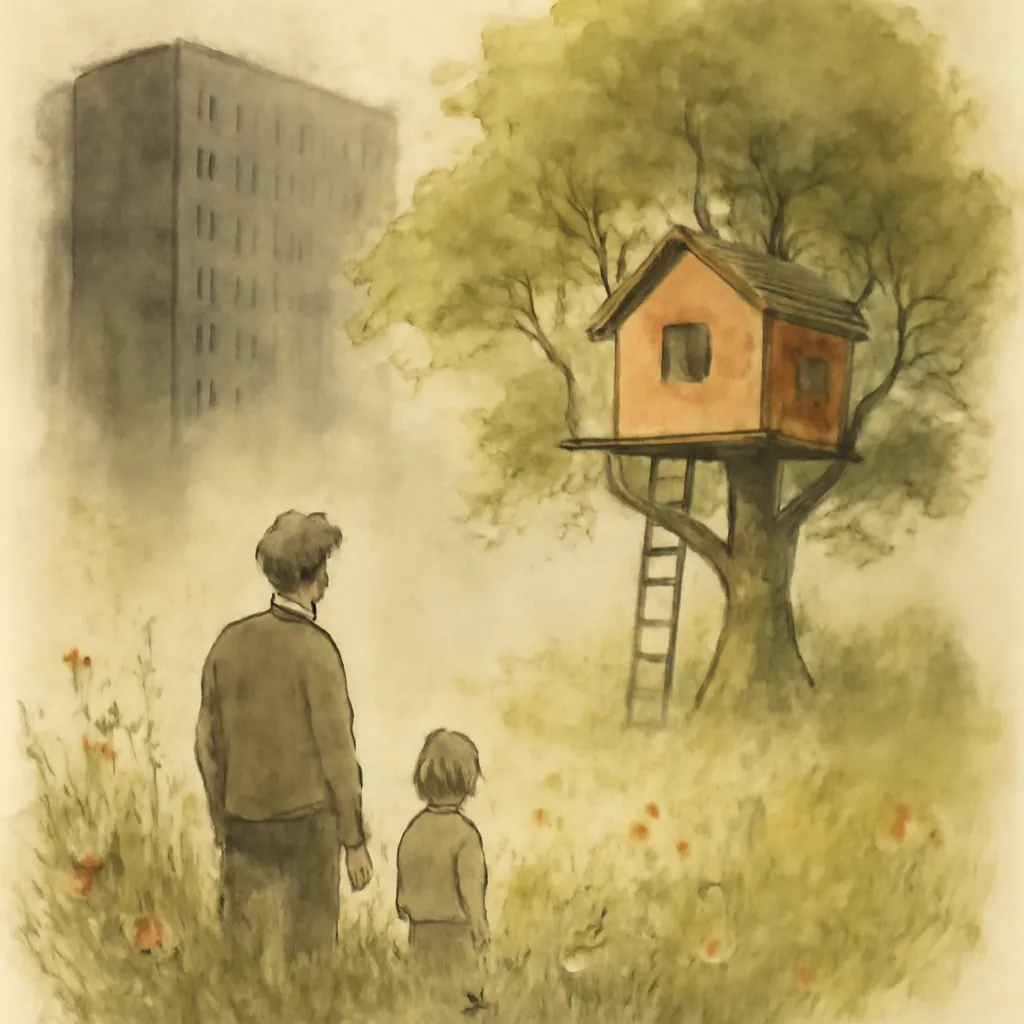
Anstey captures the essence of childhood through the character of Dick Bultitude, who embodies the spirit of youthful mischief and adventure. His desires for play and exploration starkly contrast with his father's seriousness. When Paul inhabits Dick's body, he experiences the thrill of being a child again, albeit with the weight of adult knowledge. This juxtaposition allows readers to appreciate the joys of childhood—unfettered imagination, freedom from responsibilities, and the simplicity of play. However, it also reveals the inherent challenges, such as the need for acceptance among peers and the struggle against authority figures like teachers. Through this lens, Anstey suggests that childhood is a complex tapestry of joy and struggle, encouraging adults to remember the importance of play and creativity in life. The narrative invites a reflection on how these formative years shape character and resilience.
3.Reversal of Roles
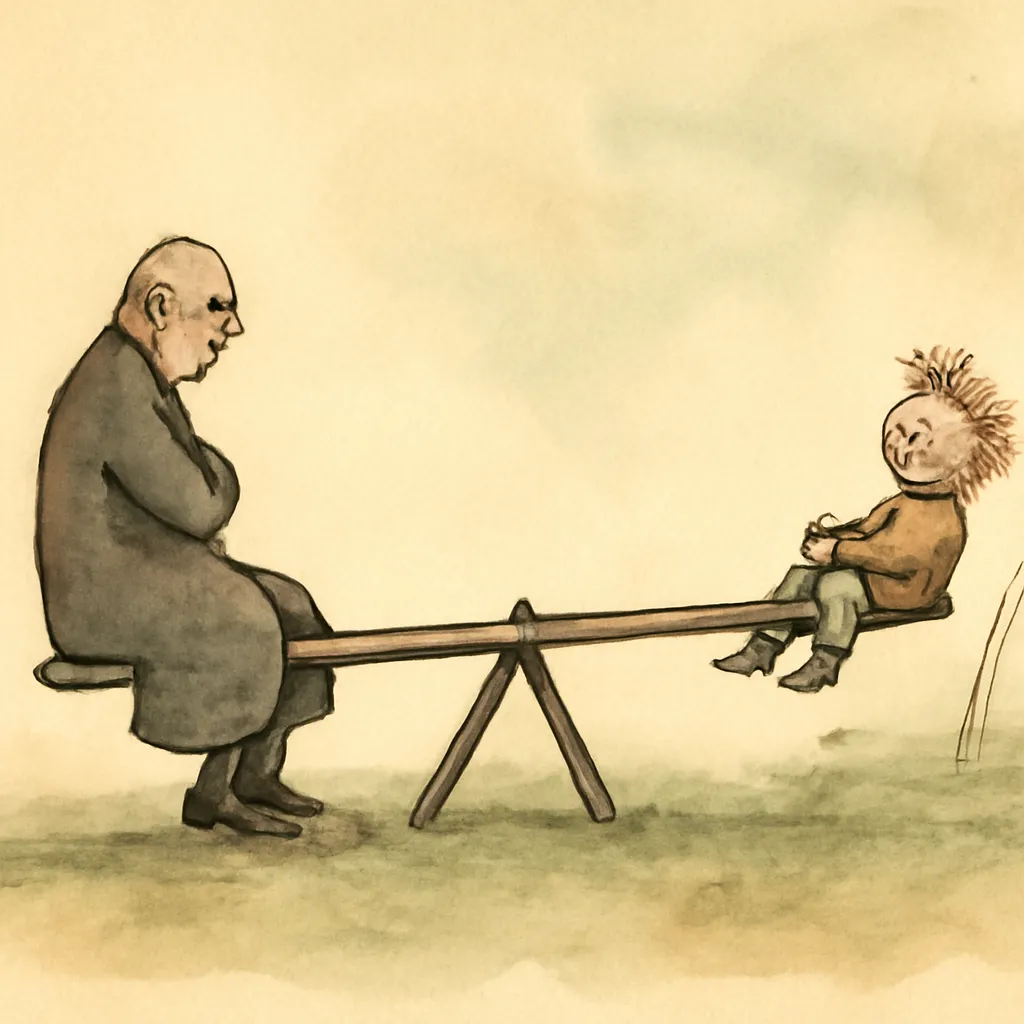
The body-swap premise serves as a clever narrative device that allows Anstey to explore the dynamics of authority and rebellion. As Paul takes on the role of a schoolboy, he experiences firsthand the frustrations and helplessness that children often feel in the face of adult authority. This role reversal forces him to confront his own behavior as a father, particularly his overbearing nature and lack of empathy for his son's experiences. The comedic situations that arise from this switch highlight the absurdity of rigid power structures within families. Anstey cleverly uses this to demonstrate that authority should not be absolute; instead, it should be accompanied by understanding and compassion. The novel suggests that parents must recognize their children as individuals with their own thoughts and feelings, emphasizing the importance of mutual respect in the parent-child relationship.
4.The Absurdity of Adult Life
Through Paul's experiences as a child, Anstey critiques the often absurd nature of adult life and its complexities. The narrative reveals how adulthood can become a series of mundane routines, filled with responsibilities that overshadow the joy of living. As Paul navigates school life, he encounters the trivialities and petty politics that characterize childhood, which starkly contrast with his serious business dealings. This absurdity is further emphasized by the exaggerated behaviors of the children around him, showcasing the irrationality that can pervade both childhood and adulthood. Anstey uses humor to illustrate that life, regardless of age, is filled with ludicrous moments that should not be taken too seriously. This perspective encourages readers to embrace a lighter view of life’s challenges, reminding us that laughter can often be the best response to the trials we face.
5.Parental Responsibility and Growth
As Paul adapts to life as Dick, he is confronted with the realities of being a child and the responsibilities that come with it. This transformation forces him to reflect on his own parenting style, which has been more about control than guidance. Throughout the narrative, Paul's journey illustrates the importance of empathy and understanding in parenting. The lessons he learns while in Dick's body highlight the need for parents to adapt their approaches to suit the unique needs of their children. By experiencing the world through Dick's eyes, Paul begins to appreciate the importance of nurturing rather than dictating, allowing for a richer parent-child relationship. Anstey emphasizes that growth is a two-way street; just as children learn from their parents, parents must also learn from their children to foster a healthy, supportive environment for development.
6.Friendship and Loyalty
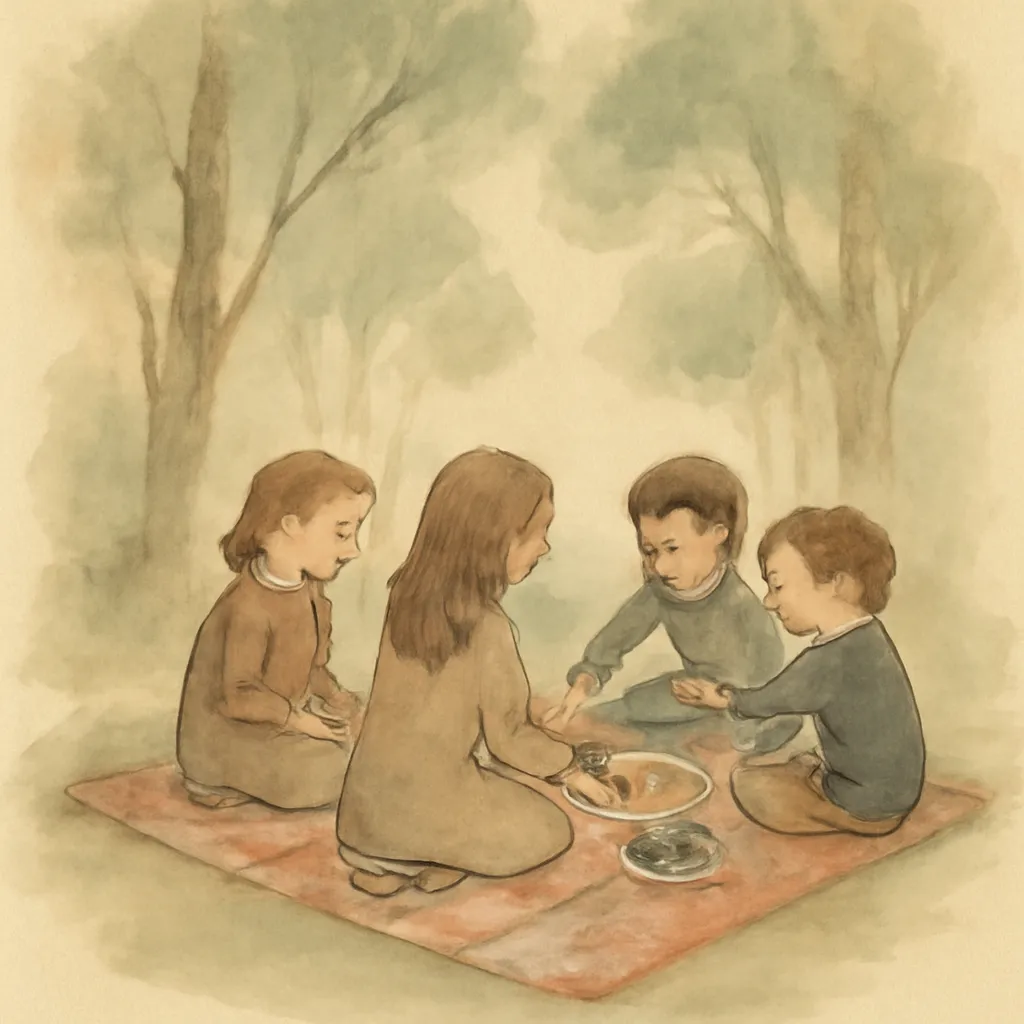
The interactions between Dick and his friends provide a poignant commentary on the nature of childhood friendships and loyalty. Anstey illustrates how these relationships are often built on shared experiences and mutual support, elements that are crucial for emotional development. As Paul navigates the social dynamics of the school, he observes the loyalty that exists among the boys, which starkly contrasts with the competitive nature of adult relationships. This loyalty is tested through various trials, and Paul learns the value of standing up for friends, even in the face of authority. The narrative emphasizes that true friendship often requires sacrifice and bravery, qualities that are essential for forming lasting bonds. Anstey’s portrayal of childhood camaraderie serves as a reminder of the importance of these relationships in shaping one’s character and the impact they have throughout life.
7.The Role of Authority Figures
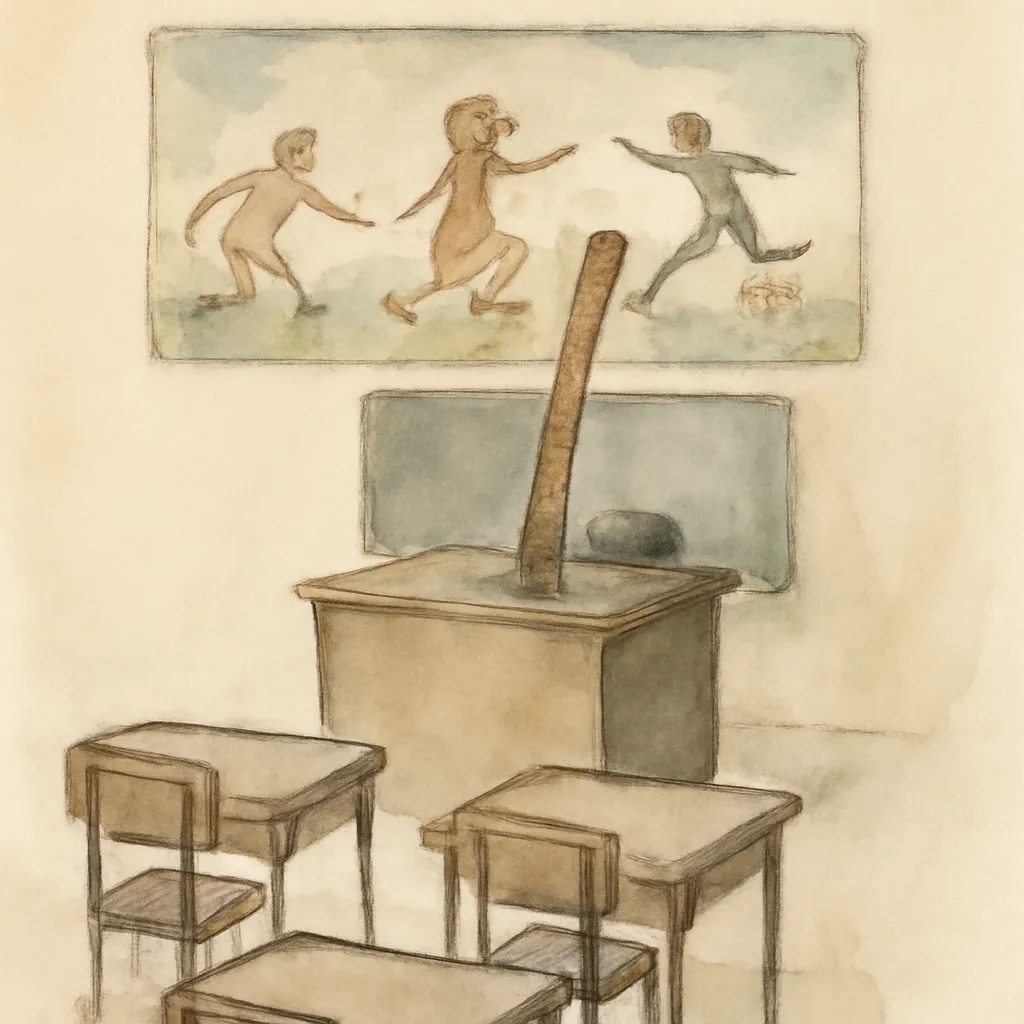
Anstey effectively critiques the role of authority figures in the lives of children through the character of Dr. Grimstone, the schoolmaster. His strict demeanor and rigid rules highlight the often oppressive nature of authority in educational settings. As Paul experiences life as a student, he begins to see the flaws in Grimstone's approach, which stifles creativity and individuality among the boys. This critique extends to the broader societal structures that impose limitations on personal expression and growth. Anstey suggests that authority should be tempered with understanding and flexibility, allowing for a more nurturing environment. By presenting authority as a complex character rather than a one-dimensional figure, the narrative encourages readers to question the effectiveness of traditional power dynamics in education and parenting.
8.The Importance of Self-Discovery
Throughout the novel, Paul’s journey serves as a metaphor for self-discovery and personal growth. As he navigates the challenges of being a child, he is forced to confront his own prejudices and misconceptions about youth. This process of self-discovery is essential for both children and adults, as it encourages reflection and personal development. Anstey illustrates that understanding oneself is a continuous journey that requires humility and openness to change. The experiences Paul undergoes while inhabiting Dick’s body lead him to reevaluate his priorities and the way he interacts with others. This theme resonates with readers, reminding them that self-discovery is not limited to adolescence but is a lifelong pursuit that enriches one’s life and relationships.
9.The Consequences of Misunderstanding
Misunderstandings run rampant throughout the narrative, serving as a catalyst for much of the conflict and comedy. Paul's initial failure to understand Dick's desires and challenges leads to a series of unfortunate events that escalate throughout the story. Anstey uses these misunderstandings to highlight the importance of communication and empathy in relationships. By failing to see things from each other's perspectives, both Paul and Dick find themselves in increasingly absurd situations. This theme underscores the idea that clear communication is vital for fostering understanding and connection between parents and children. Anstey’s exploration of this concept resonates deeply, as it reflects real-life dynamics that often lead to conflict within families.
10.Humor as a Tool for Reflection
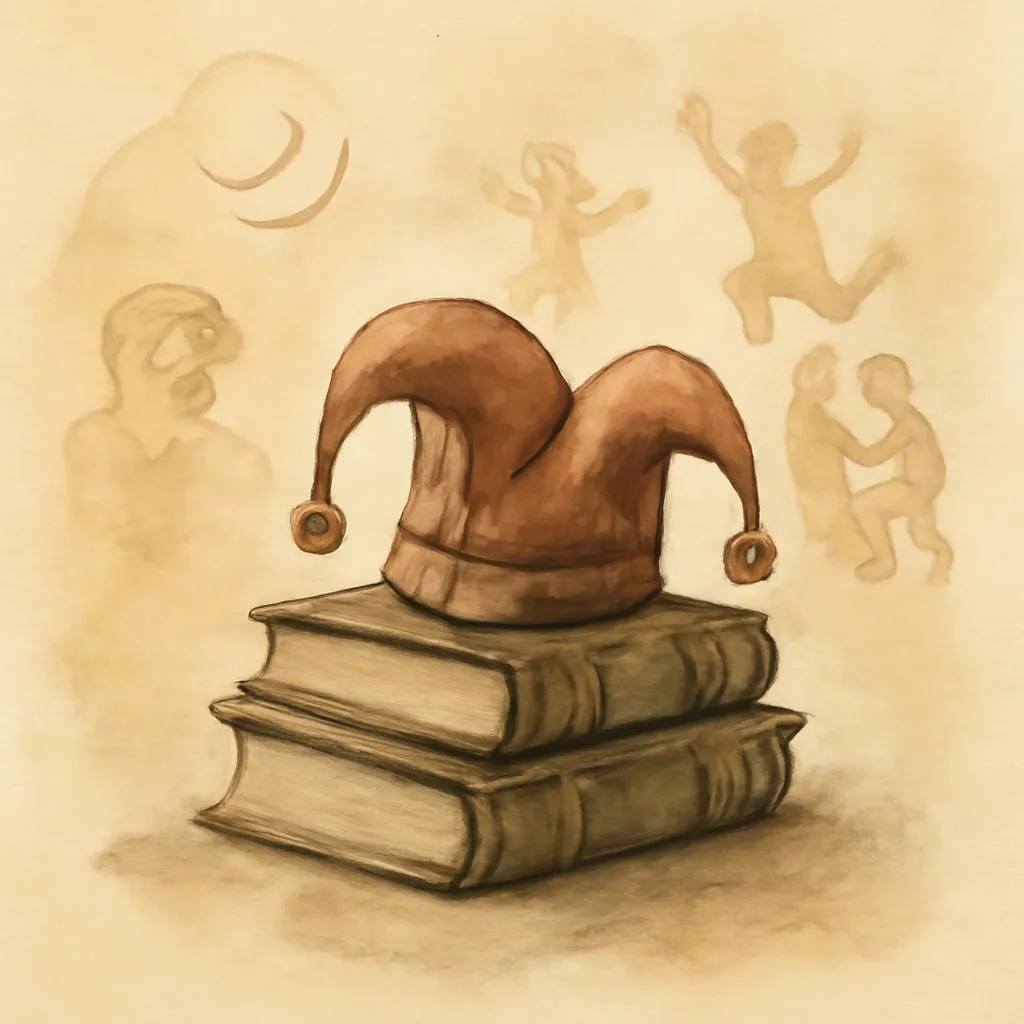
Anstey masterfully employs humor throughout the narrative to encourage reflection on serious themes. The comical situations that arise from the body-swap premise provide a lighthearted approach to discussing complex issues such as authority, responsibility, and the nature of childhood. This use of humor serves to disarm readers, making them more receptive to the underlying messages about family dynamics and personal growth. As readers laugh at Paul's misadventures, they are simultaneously prompted to consider their own perspectives on parenting and childhood. Anstey demonstrates that humor can be a powerful tool for addressing serious topics, allowing for a more engaging and thought-provoking exploration of life’s challenges.